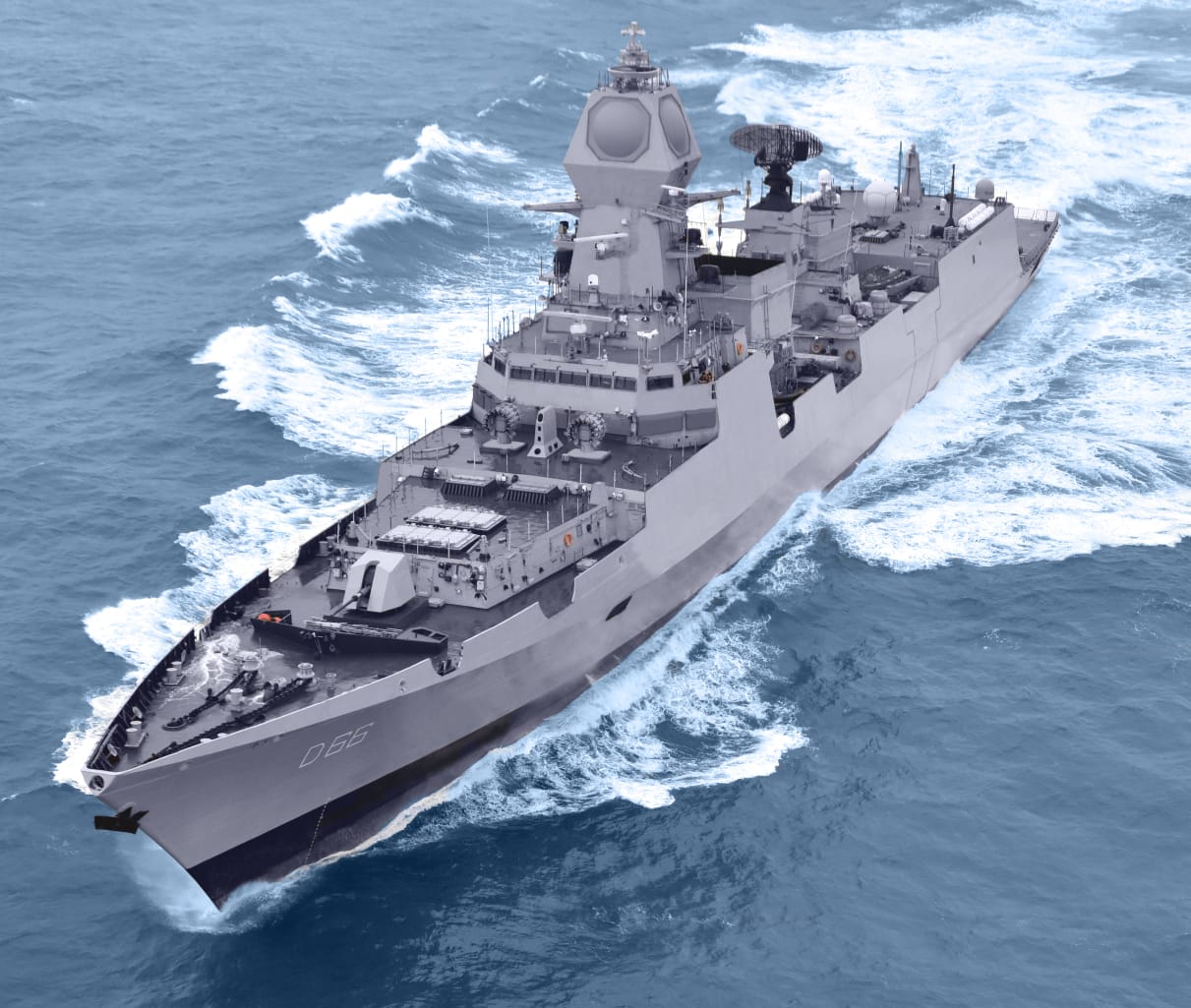
India isn't taking any chances with its energy security or the lives of its seafarers. Recent reports confirm that the Indian Navy has positioned warships on standby near the Persian Gulf. This isn't just a routine drill or a show of strength. It's a direct response to a volatile maritime environment where merchant vessels have increasingly become targets. If you think this is just about "geopolitics," you're missing the point. It’s about the oil in your car and the stability of the global economy.
The situation in the Gulf of Oman and the wider Persian Gulf has shifted from tense to unpredictable. Armed seizures, drone strikes, and "mysterious" explosions are now part of the daily briefing for shipping companies. New Delhi's decision to keep assets like destroyers and frigates in the vicinity shows a shift in policy. We’re seeing a more proactive, muscle-flexed approach to maritime diplomacy.
Why the Persian Gulf is a Powder Keg Right Now
The Persian Gulf is the world's most important chokepoint. It's narrow. It's crowded. And it's surrounded by nations that don't always get along. When you look at the Strait of Hormuz, you're looking at a passage that handles about 20% of the world's total oil consumption. For India, which imports over 80% of its crude oil, any hiccup in this region is a national emergency.
Recent escalations involving regional powers have made civilian ships "fair game" in shadow wars. We've seen tankers being diverted, boarded by commandos, or hit by loitering munitions. This isn't theory. It's happening. The Indian Navy's presence provides a "visible deterrent." It tells bad actors that touching a ship with Indian interests—whether it's the crew, the cargo, or the flag—comes with a heavy price.
What Standby Actually Means for Indian Warships
When sources say ships are on "standby," they don't mean they're anchored and the crew is watching movies. It means they're in a high state of readiness.
- Operation Sankalp: This is the umbrella under which these deployments usually happen. Started in 2019, it has become a permanent fixture.
- Aerial Surveillance: It’s not just about the hulls in the water. P-8I long-range maritime patrol aircraft and Sea Guardian drones are likely providing a constant feed of what’s happening hundreds of miles away.
- Elite Teams: Most of these warships carry MARCOS (Marine Commandos). These guys are trained for Visit, Board, Search, and Seizure (VBSS) operations. If a ship is hijacked, they’re the ones going over the side.
I’ve seen how these operations work. It’s a game of cat and mouse. The Navy uses AIS (Automatic Identification System) tracking to monitor every Indian-flagged vessel in the region. If a ship deviates from its course or sends a distress signal, the nearest warship pivots immediately.
The Economic Stakes are Massive
Let’s talk numbers. Insurance premiums for "war risk" in the Persian Gulf can skyrocket overnight. When a region gets labeled as a high-risk zone, shipping companies pass those costs to you. By patrolling these waters, the Indian Navy actually helps keep freight rates stable. It provides a sense of "psychological security" to the captains and crews who are honestly terrified of being the next headline.
India’s move also signals its status as a "Preferred Security Partner" in the Indian Ocean Region (IOR). We aren't just looking inward anymore. By protecting the sea lanes of communication, India is telling the world it can fill the vacuum left when other global powers are distracted by conflicts elsewhere.
The Hidden Risks of Maritime Escorts
There's a flip side. Deploying warships isn't free. It’s expensive in terms of fuel, maintenance, and human endurance. Plus, there’s always the risk of a miscalculation. A nervous crew on a warship might misidentify a fishing boat or a merchant ship in the dark. In a crowded waterway like the Persian Gulf, one mistake can spark a diplomatic nightmare.
However, the risk of doing nothing is far worse. We've seen what happens when the seas are left unguarded—piracy off the coast of Somalia is the classic example. The Persian Gulf isn't dealing with ragtag pirates; it's dealing with state-sponsored or state-aligned actors with sophisticated tech. You can't fight a drone with a water hose. You need electronic warfare suites and surface-to-air missiles.
How This Affects Global Shipping Routes
Shipping companies are already rerouting around the Cape of Good Hope to avoid the Red Sea. If the Persian Gulf becomes equally impassable, the global supply chain breaks. It’s that simple. The Indian Navy's stance is a stabilizing force in a sea of chaos.
They’re cooperating with international task forces, but they’re also maintaining an independent streak. India often prefers to operate solo or in loose coordination rather than joining formal US-led coalitions. This allows New Delhi to maintain its strategic autonomy. It can talk to all sides—Tehran, Riyadh, and Washington—without being seen as a pawn.
Your Next Moves for Tracking This Situation
If you're in the shipping industry or just a concerned observer, don't just wait for the evening news. The situation changes hourly.
- Monitor Maritime Bulletins: Keep an eye on the UKMTO (United Kingdom Maritime Trade Operations) for real-time incident reports in the Gulf.
- Watch the Freight Indices: If you see the Baltic Dry Index or specialized tanker rates jumping, it’s a sign that the "security premium" is being baked into prices.
- Check Navy Social Media: The Indian Navy’s official handles are surprisingly transparent about "Sankalp" updates and rescue missions.
The presence of Indian Navy warships near the Persian Gulf is a necessary "insurance policy." It’s a gritty, expensive, and often thankless job. But as long as the world runs on oil and gas, those grey hulls will remain the only thing standing between global commerce and total disruption. Expect these deployments to become more frequent and more heavily armed as regional tensions refuse to die down.