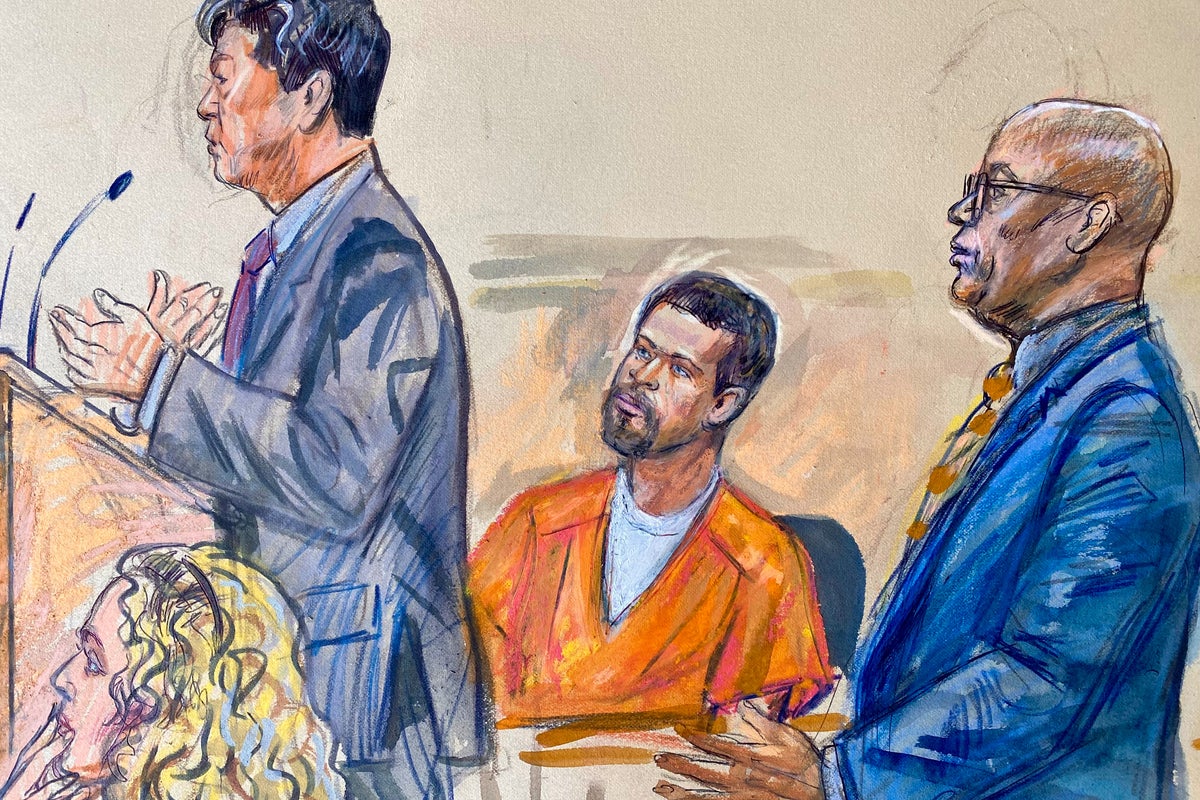
Justice moves slowly in Washington, but the shock of a firearm being discharged near one of the city's most elite gatherings still feels fresh. When a suspect stands before a judge and utters the words "not guilty," it isn't just a legal formality. It's the start of a grueling public process that tests the limits of security and the nerves of the political establishment. The individual accused in the White House Correspondents’ Dinner shooting has officially entered that plea, setting the stage for a trial that will inevitably scrutinize how such a breach could happen in the most guarded district on the planet.
You might think the "Nerd Prom" is just about bad jokes and expensive tuxedos. It’s not. It’s a massive logistical nightmare for the Secret Service and local police. When shots rang out nearby this past spring, the narrative immediately shifted from celebrity sightings to a conversation about urban safety and political vulnerability. The suspect, facing multiple felony counts, is digging in for a fight.
What the Not Guilty Plea Actually Means for the Case
Pleading not guilty doesn't mean the suspect is claiming they weren't there. In most high-profile D.C. cases, this is a strategic move to force the prosecution to lay every single card on the table. The defense team is likely looking for cracks in the digital forensics or the witness testimony gathered in the chaotic minutes after the incident.
The prosecution has a mountain of evidence to climb. They’re dealing with Metropolitan Police Department reports, surveillance footage from the Washington Hilton area, and potentially ballistics that tie the suspect’s weapon to the scene. By entering this plea, the defense is signaling that they believe the government’s narrative has holes. Maybe it’s a question of intent. Maybe it’s a matter of mistaken identity. Either way, the court is now locked into a timeline that will keep this story in the headlines for months.
Security Failures and the Hilton Perimeter
We need to talk about how this happened. The Washington Hilton isn't some random hotel. During the Correspondents’ Dinner, it becomes a fortress. There are magnetometers at every entrance. Snipers sit on the roofs. Despite this, a shooting occurred within earshot of the President of the United States and the entire Cabinet.
The investigation has revealed some uncomfortable truths about the "soft" perimeter. While the hotel interior is airtight, the surrounding streets of Adams Morgan and Dupont Circle remain a patchwork of jurisdiction. The suspect managed to navigate these gaps. People often assume that the presence of the Secret Service creates a bubble of absolute safety, but reality is messier. It’s about managing risk, and in this instance, the risk manifested into a violent reality.
I’ve seen how these security details operate. They're built on the idea of deterrence. But deterrence only works if the person on the other side is rational. If someone is determined to make a statement or settle a score near a high-profile event, the current "perimeter-based" security model starts to show its age.
The Role of Digital Evidence in Modern Prosecution
The government isn't just relying on old-school detective work. They’ve likely scraped every cell tower in the vicinity. They're looking for "pings" that put the suspect’s phone at the exact coordinates of the muzzle flash.
- CCTV Networks: D.C. has one of the densest camera networks in the country.
- Social Media: Investigators often look for "clout-chasing" posts or private messages sent before the incident.
- Ballistic Fingerprinting: Matching the grooves on a shell casing to a specific firearm recovered during the arrest.
If the prosecution can link the suspect to the weapon and the location via GPS, a "not guilty" plea becomes a very hard sell to a jury.
The Political Fallout of the Trial
This isn't happening in a vacuum. Every time a gun goes off near a political event, the rhetoric heats up. The trial will be a lightning rod for debates over D.C. crime rates and the effectiveness of local leadership. You can bet that both sides of the aisle will use the proceedings to score points.
Some will argue that the city is losing its grip on safety. Others will point out that the suspect was caught quickly, proving the system works. But for the people who were actually in that ballroom, the nuances of the legal plea don't matter as much as the fact that the "safe" world they inhabit felt suddenly, violently small.
The court must now decide on a trial date. Between now and then, we'll see a flurry of motions. The defense will try to suppress evidence. The prosecution will try to fast-track the proceedings. It’s a chess match where the stakes are life-altering.
What Happens Next in the Legal Process
Don't expect a resolution tomorrow. Legal experts know that D.C. Superior Court moves at its own pace. The discovery phase is next. This is where the defense gets to see everything the government has. It’s the most critical part of the pre-trial process.
If the defense finds that the police violated the suspect's rights during the search or the arrest, they’ll file to have evidence thrown out. That’s the "hidden" game being played right now. The public sees a plea in a courtroom; the lawyers see a hundred different ways to challenge a warrant.
If you're following this case, keep your eyes on the evidentiary hearings. That’s where the real story lives. The "not guilty" plea is just the opening bell. The real fight happens in the dull, gray rooms where judges decide what a jury is allowed to hear.
Watch the court docket for the "Status Hearing" date. That is the moment when we’ll see if a plea deal is on the table or if we’re heading for a full-scale trial. Most cases end in a deal, but given the high-profile nature of this shooting, the DA might feel pressured to go all the way to a verdict. Secure your own situational awareness by staying updated on the local D.C. court filings rather than just waiting for national news snippets. The details in the charging documents usually tell a far more complex story than the headlines suggest.