The energy markets don't like uncertainty. When the UAE’s main gas complex took a hit from targeted attacks, the ripple effects weren't just local; they shook the confidence of global buyers who rely on the Emirates for a steady flow of liquefied natural gas (LNG). Now, we’re seeing a definitive timeline for a return to normalcy. The facility expects to resume full capacity next year, a move that provides a much-needed sigh of relief for energy-starved regions and a massive boost to the UAE's economic targets.
It’s not just about fixing pipes. It’s about restoring a vital artery in the global supply chain. If you’ve been watching gas prices lately, you know the margin for error is razor-thin. This recovery isn't just "good news" for ADNOC (Abu Dhabi National Oil Company)—it’s a stabilization event for the entire sector.
The Reality of the UAE Main Gas Complex Outage
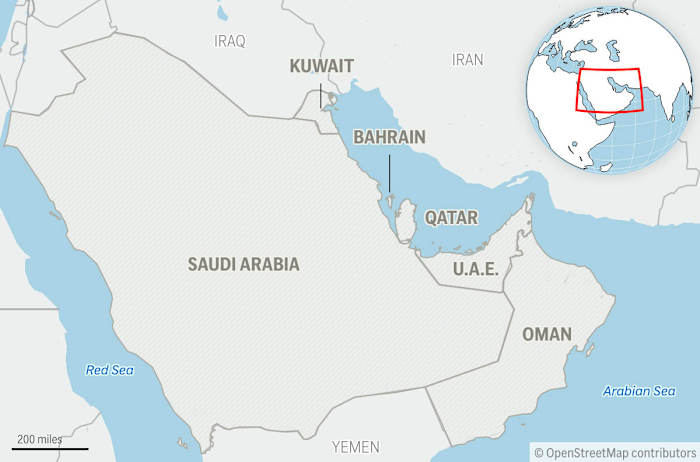
The disruption wasn't a minor glitch. The attacks on infrastructure created a bottleneck that forced the UAE to pivot its export strategy and local consumption patterns. For months, the complex has operated under a cloud of reduced output. This mattered because the UAE isn't just another player; it's a linchpin. They’ve been aggressively expanding their footprint in the LNG market, aiming to compete with the likes of Qatar and the US.
When a facility of this magnitude drops even 20% of its capacity, the market feels it. Traders start pricing in risk. Insurance premiums for shipping in the Gulf creep up. The "security premium" becomes a real cost that you eventually see on your utility bill or in the price of manufactured goods. The announcement that full capacity is coming back by 2027 means the bridge of "wait and see" is finally ending.
Why 2027 is the Magic Number for ADNOC
You might wonder why it takes so long to get back to 100%. Industrial repair at this scale isn't like fixing a leak under your kitchen sink. We're talking about specialized components, high-pressure systems, and safety protocols that are written in blood.
The UAE isn't just repairing what was broken. They're hardening the infrastructure. Experts familiar with the project suggest that the rebuild includes advanced monitoring systems and physical defenses that weren't there before. They're making sure that if another attempt is made, the system doesn't just buckle.
The timeline also aligns with the UAE’s broader "Gas Master Plan." They want to achieve gas self-sufficiency and become a net exporter in a big way. Reaching full capacity next year isn't just about recovering lost ground; it’s the baseline for their next phase of growth. Without this complex at 100%, the rest of their dominoes—like the Ruwais LNG project—don't fall into place quite as effectively.
Security Lessons from the Gulf Attacks
The attacks highlighted a massive vulnerability in energy security. You can have the most advanced extraction technology in the world, but if your processing hub is a "soft target," your entire economy is at risk.
The UAE has responded by integrating more AI-driven surveillance and rapid-response capabilities around their key energy sites. They’ve realized that physical security and cybersecurity are now two sides of the same coin. Sources in the region note that the "restart" involves a complete overhaul of how the perimeter is managed. It's a proactive stance. They're basically telling the world that their energy exports are "insured" by state-of-the-art defense.
Global Supply Chains Can Breathe Again
Europe has been looking for any alternative to Russian gas for years now. While the US and Qatar have stepped up, the UAE is the "third pillar" that everyone wants a piece of. When the main gas complex returns to full capacity, it adds liquidly to a market that's been historically tight.
- Lower Spot Prices: More supply generally means less volatility in the spot market.
- Reliable Long-term Contracts: Countries like Japan and South Korea, which have long-standing ties with the UAE, can stop worrying about force majeure clauses.
- Diversification: It reduces the world’s over-reliance on any single region.
It’s easy to forget how much one facility matters until it’s gone. This complex is the engine room for the UAE's gas ambitions. Its return signifies that the period of "damage control" is over. We’re moving back into an era of expansion.
What This Means for Investors and Industry Watchers
If you’re tracking energy stocks or regional stability, the full-capacity announcement is a green flag. It shows resilience. A country that can take a hit to its most critical asset and come back stronger within a defined window is a country that’s "safe" for capital.
Keep an eye on the export data coming out of Fujairah and Jebel Ali over the next twelve months. You'll start to see the volume ticks go up as the testing phases conclude. The UAE isn't just aiming to be a player; they’re aiming to be the most reliable player.
The next step for anyone in the energy sector is to watch the contract renewals. As that capacity comes back online, ADNOC will be looking to lock in buyers. If you’re a heavy energy consumer or an industrial player, now is the time to look at the Gulf again. The supply is coming back, and it’s coming back with a chip on its shoulder and something to prove.
Monitor the official ADNOC throughput reports starting in Q1. The ramp-up will be gradual, but the impact on global pricing will be immediate as the market "prices in" the expected surplus. The era of the "attack-induced shortage" is officially on its way out.