Vladimir Putin wants the world to think he’s a man of faith. By ordering a 36-hour ceasefire for Orthodox Easter, the Kremlin is playing a very specific, very old game. But if you ask anyone in Kyiv, Kharkiv, or Kherson, they’ll tell you the same thing. It’s a trap. It’s not just skepticism—it’s a deep, lived understanding of how Moscow uses "humanitarian" gestures as tactical breathers.
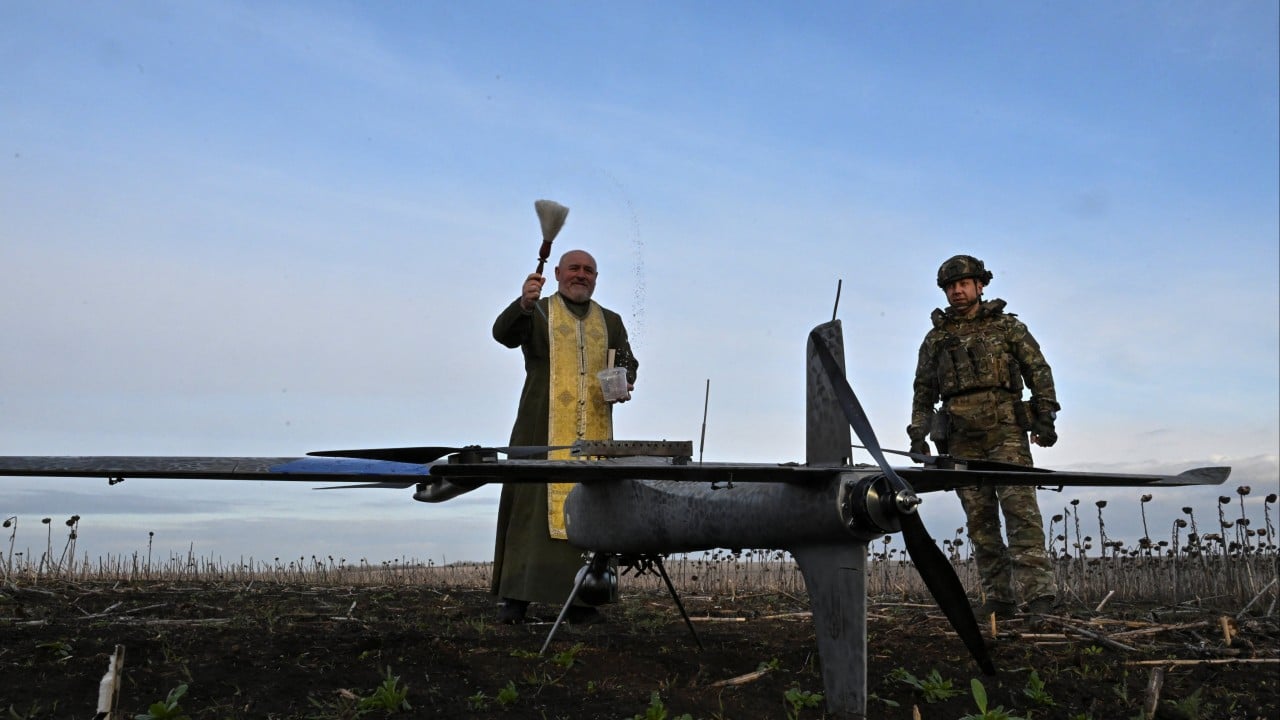
The announcement came through the Kremlin’s press service, citing a request from Patriarch Kirill of Moscow. Kirill, for context, isn’t just a religious leader. He’s been a vocal supporter of the invasion, often framing the war as a metaphysical struggle against Western decadence. When a man who blesses tanks asks for a truce, the people under those tanks tend to look for the catch. For a closer look into similar topics, we suggest: this related article.
A history of broken promises
You can’t look at this Easter truce in a vacuum. Ukraine has seen this movie before. Since the initial 2014 invasion of Donbas, there have been dozens of "ceasefires" brokered under the Minsk agreements. None of them held. Usually, the shelling would dip for an hour or two before the Russian side used the quiet to reposition artillery or rotate tired troops.
In 2022, we saw "humanitarian corridors" in Mariupol that ended in civilians being fired upon. Moscow says one thing to the international press and does another on the ground. It’s a pattern of behavior that makes any talk of a religious truce feel like a cynical PR move. Ukrainians aren't being "difficult" or "unwilling to seek peace." They’re being realistic. They know that in this war, a pause for Russia is just a reload. To get more details on this development, in-depth coverage can also be found at The Washington Post.
The strategic reality of a 36 hour pause
Military experts and organizations like the Institute for the Study of War (ISW) have pointed out the obvious. Russia’s offensive has been grinding, bloody, and slow. They’ve lost an incredible amount of hardware and personnel in places like Bakhmut.
A 36-hour window gives the Russian military a few vital things:
- Time to move ammunition to forward positions without fear of HIMARS strikes.
- A chance to rotate exhausted frontline units.
- An opportunity to fix broken equipment that’s currently stuck in the mud.
If Ukraine honors the truce while Russia uses it to dig in, Ukraine loses its momentum. President Volodymyr Zelenskyy made this clear in his nightly address. He argued that Russia wants to use Easter as a cover to stop the Ukrainian advance in the Donbas and bring equipment closer to their positions. It’s a textbook tactical maneuver disguised as a pious gesture.
The religious divide in Ukraine
The role of the Orthodox Church here is messy. You have the Ukrainian Orthodox Church (UOC), which traditionally had ties to Moscow, and the Orthodox Church of Ukraine (OCU), which is independent. Since the full-scale invasion began, the UOC has tried to distance itself from Patriarch Kirill because his support for the war is so toxic.
When Kirill calls for a truce, he isn't speaking for all Orthodox Christians. He’s speaking for the Kremlin. For many Ukrainians, the idea of taking spiritual advice from a man who has essentially justified the killing of their children is offensive. It’s not about religion anymore. It’s about national survival.
Western reaction and the propaganda war
The United States and European allies haven't bought the line either. Joe Biden was blunt about it, noting that Putin seemed perfectly fine bombing hospitals and churches on December 25th and New Year’s. The timing is too convenient.
Russia’s goal here isn't just military—it’s also about optics. They want to be able to tell the "Global South" and their domestic audience, "Look, we offered peace for the holy days, and the 'godless' Ukrainians refused it." It’s a move designed to paint Kyiv as the aggressor.
What happens when the clock runs out
The reality on the ground doesn't change because of a press release from Moscow. The shells will still fly. Even during the supposed start of the truce, reports of strikes continued to trickle in.
If you're following this conflict, don't get distracted by the "truce" headlines. Watch the troop movements. Watch the rail lines coming in from Crimea and Belarus. That’s where the real story is. Peace in Ukraine won't come from a 36-hour window; it’ll come when one side can no longer sustain the cost of the fight.
For those looking to help or stay informed, focus on organizations that track frontline movements in real-time, like DeepStateMap or official reports from the Ukrainian Ministry of Defense. Don't take Kremlin decrees at face value. History proves they aren't worth the paper they're printed on. Keep your eyes on the logistics, because that’s where the next phase of the war is being built right now.