We love our clean narratives. The media feeds us a simple, digestible script: heroic international bureaucrats trapped by rogue militants, standing as the last defense for a starved population. It makes for great emergency board room talking points and effortless outrage. But it is entirely, dangerously wrong.
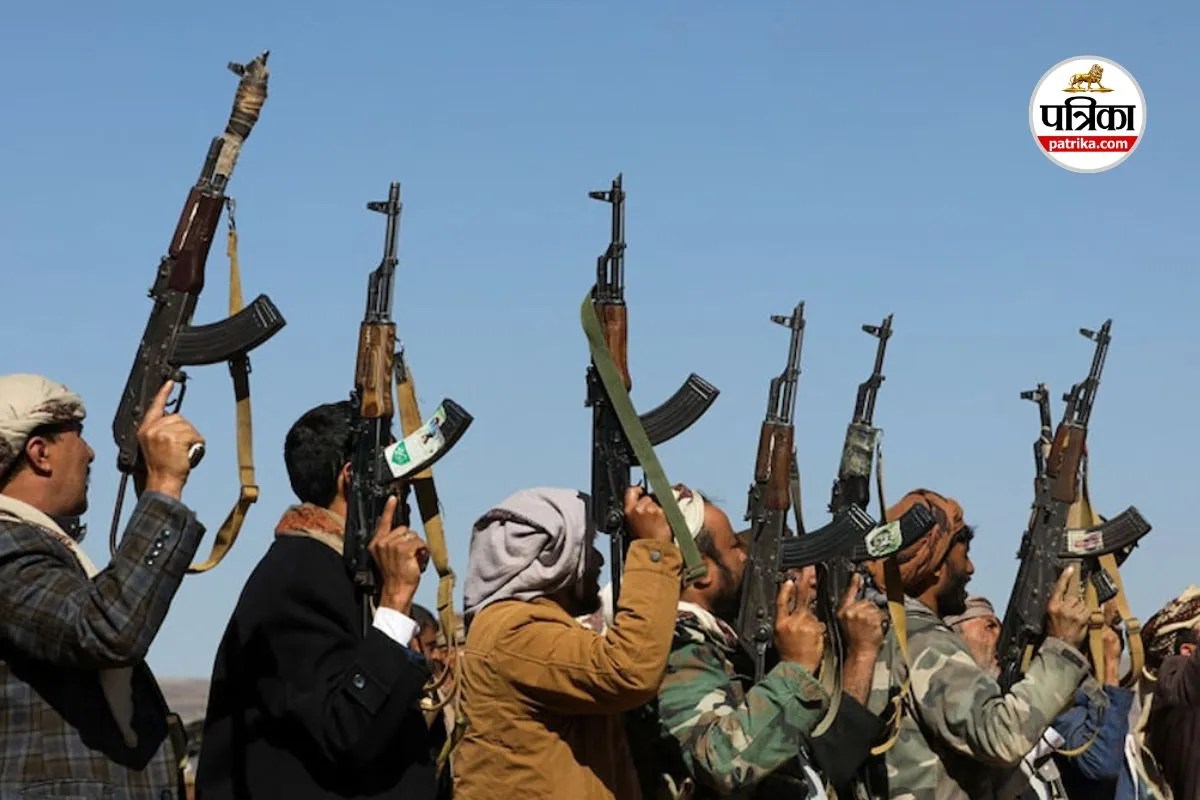
The standard commentary surrounding the Houthi detention of international personnel in Yemen focuses entirely on moral indignation, humanitarian outrage, and urgent calls for unconditional releases. That lens is not just naive; it is actively fueling the machinery of conflict. If you want to understand why aid dependency in fractured states becomes a self-sustaining funding mechanism for warlords, look no further than the diplomatic hand-wringing over seventy-seven detained agency staffers and the looming shadow of judicial execution threats hanging over a handful of them.
Let us dismantle the core assumption of the mainstream narrative: that international presence in blockaded or militant-controlled zones acts as a stabilizing neutral buffer. It does not. In places like Sanaa, institutional leverage has been completely inverted. The de facto authorities do not see international organizations as impartial aid workers. They see them as high-yield assets, cash cows, and diplomatic shields.
The Economics of Hostage Diplomacy
For years, international development budgets have poured billions into conflict zones without accounting for the local political economy. When you drop massive cash flows, vehicle fleets, fuel supplies, and logistical infrastructure into a territory controlled by a sanctioned armed group, you aren't bypassing the conflict. You are subsidizing it.
The Houthis are not isolated cave-dwelling insurgents operating on sheer ideology alone. They run a sophisticated taxation, extortion, and parallel banking apparatus. Every compound rented, every security detail contracted, every customs clearance fee paid, and every logistics contract awarded feeds the war chest. When the international community complains that their staff are harassed, detained, or threatened with death sentences, they act surprised that the regime they have been inadvertently financing via procurement loops is treating them like leverage.
You cannot separate the humanitarian footprint from the military logistics footprint. When agencies negotiate for access, they routinely trade compliance, personnel vetting concessions, and financial transparency for operational permissions. That is not neutrality. That is capitulation disguised as compassion.
Why the Outrage Industry Fails
Every time a major international agency issues a solemn statement expressing grave concern over detained personnel, they reveal their own structural weakness. The militants read those press releases not as warnings, but as proof of value. If an agency panics, lobbies governments, and begs for back-channel mediation every time a batch of local or international staff is seized, the ransom value of those bodies skyrockets.
We are watching a classic moral hazard play out in real time. The more the international community screams about the irreplaceable value of its workers inside Houthi-controlled territory, the more valuable those workers become as pawns in broader negotiations over central bank control, oil revenues, and international recognition.
I have watched organizations spend millions on security risk assessments while ignoring the fundamental reality on the ground: if your presence provides strategic utility to a belligerent, you are a target. Period. No amount of diplomatic sensitivity training or inter-agency coordination will change the calculus of an actor who views international law as Western fiction.
The Counter-Intuitive Truth About Withdrawal
The mainstream prescription for this crisis is always the same: more dialogue, more high-level envoys, more back-channel concessions, and a redoubling of humanitarian efforts.
The correct answer is precisely the opposite.
The international community needs to threaten a complete, irreversible operational withdrawal from Houthi-held areas. Not a temporary suspension. Not a polite pause. A hard, cold exit.
When you stay in a zone where your staff can be arbitrarily rounded up and threatened with death, you are signaling that your institutional survival matters more than your principles. You are teaching bad actors that they can hold the entire global aid apparatus hostage with zero systemic consequences.
Critics will scream that withdrawal equals abandoning civilians to famine. But let's look at the data on aid diversion. Multiple investigations over the past decade have shown that a staggering percentage of distributed food and cash assistance in Houthi-controlled zones never reaches the intended vulnerable populations. It gets diverted to front-line fighters, sold on the black market to finance military operations, or used as a loyalty-buying tool. By staying under current conditions, agencies are essentially acting as auxiliary supply lines for the very forces starving the population.
Dismantling the Aid Industrial Complex
We have built a multi-billion-dollar aid industrial complex that measures its own success by inputs—how many millions of dollars spent, how many metric tons of wheat shipped, how many staff deployed—rather than outcomes. This creates a perverse incentive to stay at all costs, even when the cost is complicity.
When local staff are threatened with death sentences under sham judicial proceedings, it is a horrifying human tragedy. But it is also a predictable symptom of an engagement strategy that refuses to recognize power dynamics. Appeasement does not soften hardliners; it validates their methods.
If international organizations had any institutional courage, they would freeze all non-essential operations, pull international staff across the front lines immediately, and make the return of assets and the release of every single detainee the absolute, non-negotiable baseline condition for any future engagement. No compromises. No secret deals.
Until the international community is willing to walk away, it will continue to be dragged by a leash of its own making. Stop funding the cage while complaining that you are locked inside it.