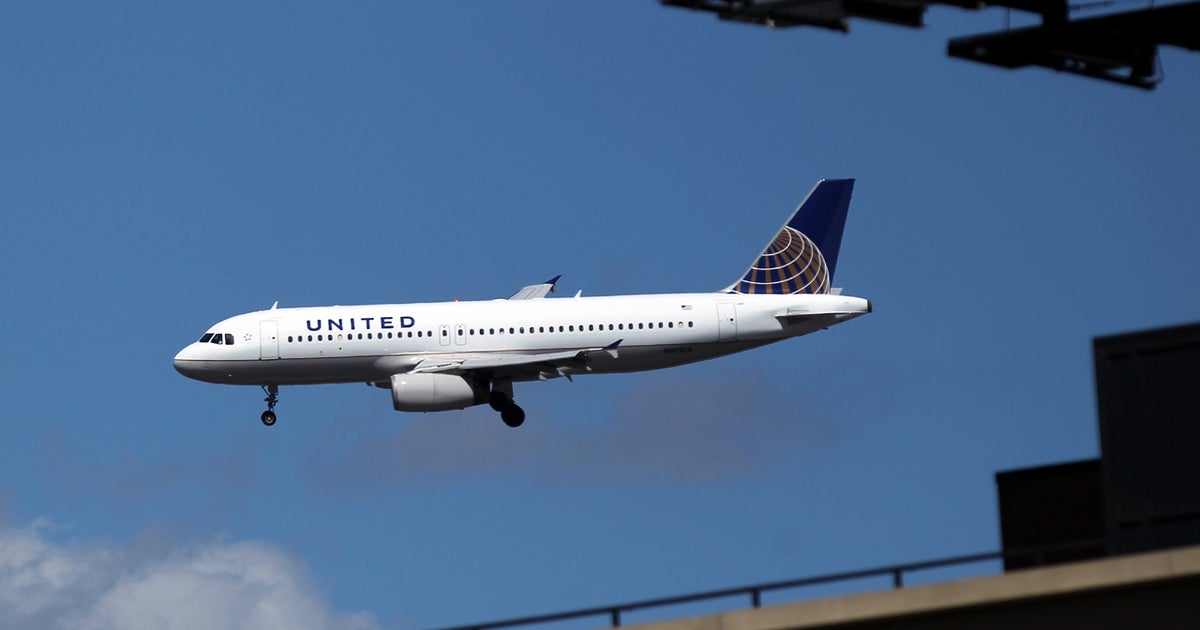
United Airlines just hit the brakes on its 2026 financial expectations, and it's not because people stopped flying. In fact, more people are cramming into planes than ever. The problem is the liquid gold in the tanks. With fuel costs hitting levels that make even seasoned CFOs sweat, United slashed its full-year earnings guidance from a rosy $12 to $14 per share down to a much more grounded $7 to $11 range.
If you think this is just a boring corporate accounting update, you’re wrong. It’s a loud signal that the era of "revenge travel" is colliding with a brutal "aviation winter" of high energy prices and geopolitical stress. When an airline tells Wall Street it's cutting its forecast by nearly 30%, it doesn't just mean smaller dividends for shareholders. It means you're going to pay more for that seat in Row 24.
The Fuel Problem Nobody Can Hedge Away
Jet fuel isn't just a line item for United; it's a beast that eats over 20% of their total operating expenses. Right now, that beast is hungry. Prices have climbed toward $5 per gallon on the Gulf Coast. While United beat its Q1 earnings estimates—pulling in $14.61 billion in revenue—the shadow of $4.30-per-gallon fuel in the second quarter has effectively killed the party.
I've seen this cycle before. Airlines talk about "resilience" and "long-term strategy" while quietly re-running the numbers on every route they fly. CEO Scott Kirby is playing it tough, claiming the airline is "built to withstand disruptions," but the 5% capacity cut planned for the rest of the year tells a different story. They aren't just adjusting; they're retreating to higher ground.
The Middle East conflict has sent Brent crude and WTI prices on a rollercoaster, and airlines are the first to feel the G-force. United admits it can only recover about 40% to 50% of these fuel spikes through higher fares in the short term. By the time they get that number up to 80% or 100% later this year, your summer vacation budget might already be blown.
Why Your Ticket Is Getting More Expensive
It’s easy to blame corporate greed when you see a $10 hike in checked bag fees or a 20% jump in ticket prices. But the math for United is getting ugly. They spent $340 million more on fuel in Q1 2026 than they did the year before. That money has to come from somewhere.
Here is how United is trying to keep its head above water without losing every customer to a road trip:
- Aggressive Segmentation: They're leaning hard into "Basic Economy" (up 7% in revenue) for the budget-conscious and "Premium Cabin" (up 14%) for the big spenders.
- Route Darwinism: Inefficient routes are getting the axe. If a flight to Dubai isn't printing money at $4-a-gallon fuel, it's gone.
- Fee Creep: Baggage fees are the easiest lever to pull. It’s $10 today, but don't be surprised if "convenience" fees start popping up in places you didn't expect.
United is basically betting that if you really need to get to London or San Francisco, you'll pay the "fuel tax" because you don't have a choice. It's a risky game. Credit card data is already showing that consumers are starting to feel the pinch.
The Margin Gap and the Aviation Winter
Let's talk about the "Aviation Winter" term that's floating around. It sounds dramatic, but it's accurate. While United’s Q1 revenue was a record-breaker, its pre-tax margin was only 6.0%. When fuel costs surge, that margin can evaporate in a single quarter.
Morgan Stanley and other big-name analysts have already started hacking away at their price targets for the whole sector. They see a world where global oil supply remains unstable and demand starts to wobble under the weight of inflation. United is currently trading at a P/E ratio of about 9.5x, which sounds cheap until you realize the market is pricing in a lot of "what if" scenarios regarding Iran and global trade routes.
Honestly, the only reason United isn't in a total tailspin is its loyalty program. MileagePlus revenue jumped 13% this quarter. That’s the real gold mine. United isn't just an airline anymore; it's a bank that happens to fly planes. Those "brand-loyal" customers are the buffer between a $11 EPS and a total financial washout.
What You Should Do Before You Book
If you’re planning travel for the second half of 2026, don't wait for a "sale" that isn't coming. Here is the reality on the ground:
- Book Now: Fuel prices are projected to stay high through 2027. United has already signaled that fares will rise as they try to recover 85% to 100% of their fuel costs by Q4.
- Watch the Capacity: Fewer flights mean fuller planes. If you like having an empty middle seat, those days are over. Expect "load factors" to stay at record highs.
- Check the Fees: Before you click "purchase," look at the total cost including bags. United’s $10 baggage fee hike is likely just the beginning for the industry.
United is signaling a rough ride ahead, but they’re also betting they can outlast smaller carriers with thinner margins. It’s a survival of the richest. For the rest of us, it just means it's time to start checking the price of gas for the family minivan again.