Urban commercial ecosystems rely on high-velocity foot traffic, baseline occupancy, and low operational friction. When these conditions degrade simultaneously, retail and food service sectors face structural margin compression. In downtown Edmonton, a wave of high-profile hospitality closures—including long-standing institutions like Khazana and regional chains like Greta Bar—signals a fundamental breakdown in the local commercial model. While surviving apparel and legacy retail operators state their commitment to remaining in the urban core, operational longevity in distressed downtown environments is driven by distinct economic mechanics rather than mere brand endurance.
The Four Mechanisms Driving Urban Commercial Attrition
The decline of hospitality and retail density in central business districts is rarely caused by a single policy failure or shift in consumer behavior. Instead, it stems from the compounding interaction of four discrete operational variables.
1. The Friction Overhead Index
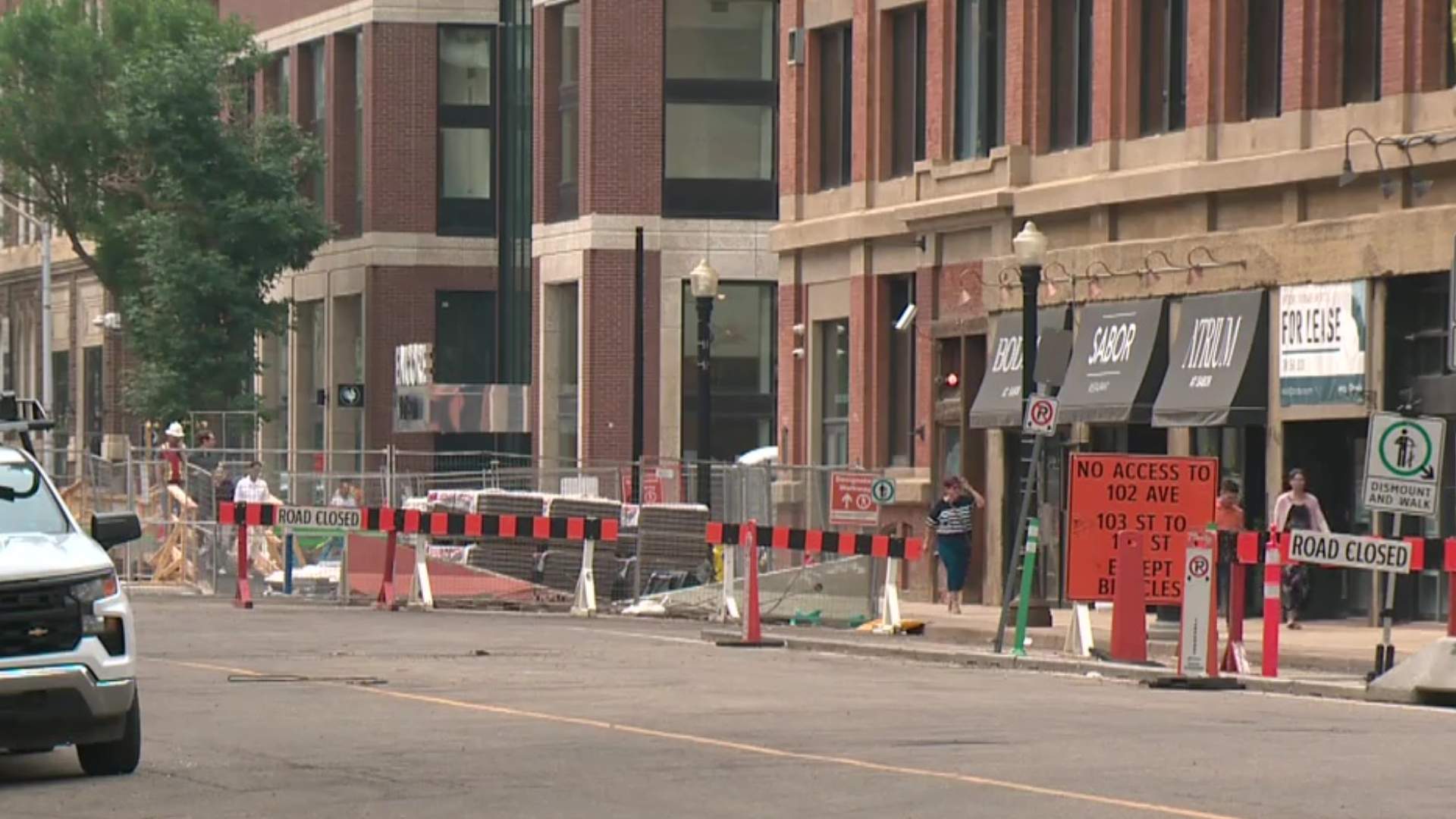
Physical accessibility governs top-line revenue for location-dependent businesses. When municipal infrastructure projects, light rail transit (LRT) construction, and restricted parking access converge, the implicit cost for a consumer to visit a physical location rises sharply.
- Logistical Supply Strain: Heavy infrastructure buildouts block loading zones, increasing delivery fulfillment times, driver surcharges, and supply chain spoilage rates for fresh food inventory.
- Consumer Acquisition Cost Spikes: As physical access deteriorates due to altered traffic patterns and app-only parking friction, consumer conversion rates drop. The effort required to visit a downtown venue outweighs the value proposition relative to suburban alternatives.
2. Occupancy Elasticity and Foot-Traffic Baselines
Hospitality operators carry high fixed overheads, including lease commitments, commercial property taxes, and utility baselines. They depend on predictable daytime foot traffic from hybrid office workers and evening foot traffic from cultural event attendees.
Permanent shifts to hybrid work structures remove the steady baseline of mid-week lunch and happy hour volume. Without this baseline, businesses rely entirely on weekend peak windows to cover weekly operational expenses. When total weekly customer volume drops below minimum coverage thresholds, unit economics collapse.
3. Public Safety as an Economic Variable
Perceptions of urban safety directly alter consumer routing and spending behavior. Public safety concerns act as a hidden tax on operations, manifesting across three clear lines:
- Direct Security Expenditures: Commercial tenants must allocate capital toward private security personnel, upgraded physical access controls, and window repair reserves.
- Staffing Retention Premiums: Higher employee turnover driven by late-night safety concerns increases wage pressure and recruitment costs.
- Demand Suppression: High-margin demographics systematically redirect discretionary spending away from areas with perceived safety or order maintenance issues.
4. Capital Arbitrage Across Regional Markets
Multi-unit operators evaluate performance through capital productivity metrics. When operating margins in a specific downtown core degrade compared to locations in adjacent cities or suburban submarkets, businesses reallocate capital toward higher-return environments. The decision to shut down a profitable or break-even urban venue is often driven by the opportunity cost of not deploying that capital into higher-yielding markets elsewhere.
Infrastructure Friction + Low Day-Traffic + Security Overhead = Margin Compression
                                                                         │
                                                                         ▼
                                                          Capital Exit / Closure
Dissecting the Divergence: Food Service versus Apparel Retail
Understanding why certain retail niches express long-term resilience while adjacent hospitality venues exit requires analyzing their core unit economics and inventory mechanics.
| Metric / Attribute | Food Service & Hospitality | High-End / Specialized Retail |
|---|---|---|
| Inventory Perishability | High (Days/Weeks) | Very Low (Months/Seasons) |
| Gross Margin Profile | Low (6% to 12% Net) | Moderate to High (40% to 60% Gross) |
| Transaction Dependency | High Volume, Frequent | Low Volume, High Average Order Value |
| Customer Radius | Hyper-Local / Immediate Core | Regional / Destination Destination-Driven |
| Logistical Dependency | Daily Perishable Inbound Freight | Scheduled Weekly/Monthly Dry Goods Freight |
Food service businesses operate under tight margins with perishable inventory, making them highly vulnerable to sudden drops in foot traffic or unexpected supply delays. A 20% drop in foot traffic can instantly wipe out net operating profits for a restaurant.
Specialized clothing stores and long-standing retailers maintain higher gross margins and serve targeted regional customer bases. Their clients travel specifically to visit the store rather than dropping in based on convenience. As a result, these retailers can absorb short-term reductions in walk-in traffic far better than neighboring casual dining options or bars.
Limits of Municipal Intervention Strategies
Municipal grants, parking adjustments, and localized transit security patrols are standard policy responses to urban core decline. While these measures offer temporary relief, they fail to resolve underlying structural imbalances.
- Micro-Grants vs. Macro Costs: Direct municipal grants rarely compensate for sustained monthly shortfalls in revenue caused by permanent drops in office occupancy.
- Inflexible Lease Structures: Commercial lease agreements signed during peak urban cycles force tenants into fixed rental obligations that no longer match lower, post-hybrid traffic levels.
- Liability Limitations: Legal frameworks typically protect municipal infrastructure projects from third-party business disruption claims, leaving commercial tenants to absorb the economic impact of prolonged construction cycles.
Strategic Framework for Core Asset Survival
Commercial tenants in challenged downtown markets cannot rely on broad macroeconomic recovery or quick municipal fixes. Navigating these environments requires targeted operational adjustments:
- Shift to Fixed-Appointment Service Models: Transitioning business models from passive walk-in traffic to reservation-only or appointment-driven models helps lock in revenue before inventory and labor are deployed.
- Renegotiate Lease Terms to Flexible Revenue-Share Agreements: Commercial tenants should push to convert fixed base-rent obligations into percentage-of-sales leases to protect against traffic fluctuations caused by civic construction or public works projects.
- Optimize Inventory and Supply Chains for Lower Storage Footprints: Lowering on-site inventory counts reduces vulnerability to logistics bottlenecks and cuts carrying costs during low-demand periods.
- Form Regional B2B Shared Logistics Cooperatives: Local merchants can consolidate inbound freight and delivery schedules to share loading zone access and lower fulfillment costs amid ongoing street closures.