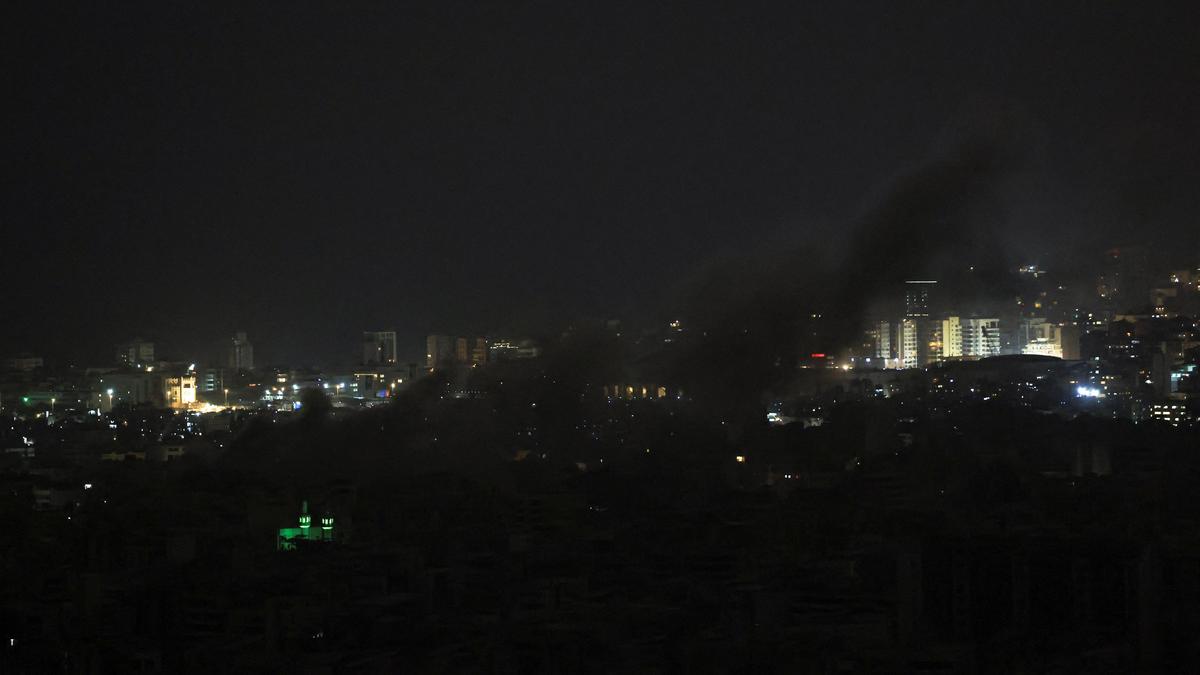
The shadow war in the Middle East just took a sharp, public turn that should make every board member at a multinational energy firm lose sleep. Tehran isn't just whispering threats through proxies anymore. They've explicitly messaged that if Israel strikes Iranian oil or nuclear sites, the response won't just hit Israel. It'll target the infrastructure of U.S. allies in the region and the American companies operating there. This isn't just typical bluster. It's a fundamental shift in the regional "rules of engagement" that puts private industry directly on the front lines of a geopolitical firestorm.
You've probably seen the headlines about missile exchanges, but the specific targeting of "U.S. interests" represents a massive escalation. If you're running an energy operation in Kuwait, the UAE, or Qatar, the ground just shifted. Iran's logic is simple and brutal. They believe that since the U.S. provides the military hardware and diplomatic cover for Israeli strikes, the U.S. and its regional partners must pay a literal price in barrels and infrastructure.
The Strategy Behind Targeting Energy Infrastructure
Think about the geography of the Persian Gulf for a second. It's a crowded neighborhood. Iran has spent decades developing "asymmetric" capabilities—fancy talk for being able to cause a lot of damage with relatively cheap drones and missiles. By threatening the energy facilities of neighbors like Saudi Arabia or the UAE, Tehran is trying to force these countries to pressure Washington into restraining Israel.
It's a hostage situation on a global scale.
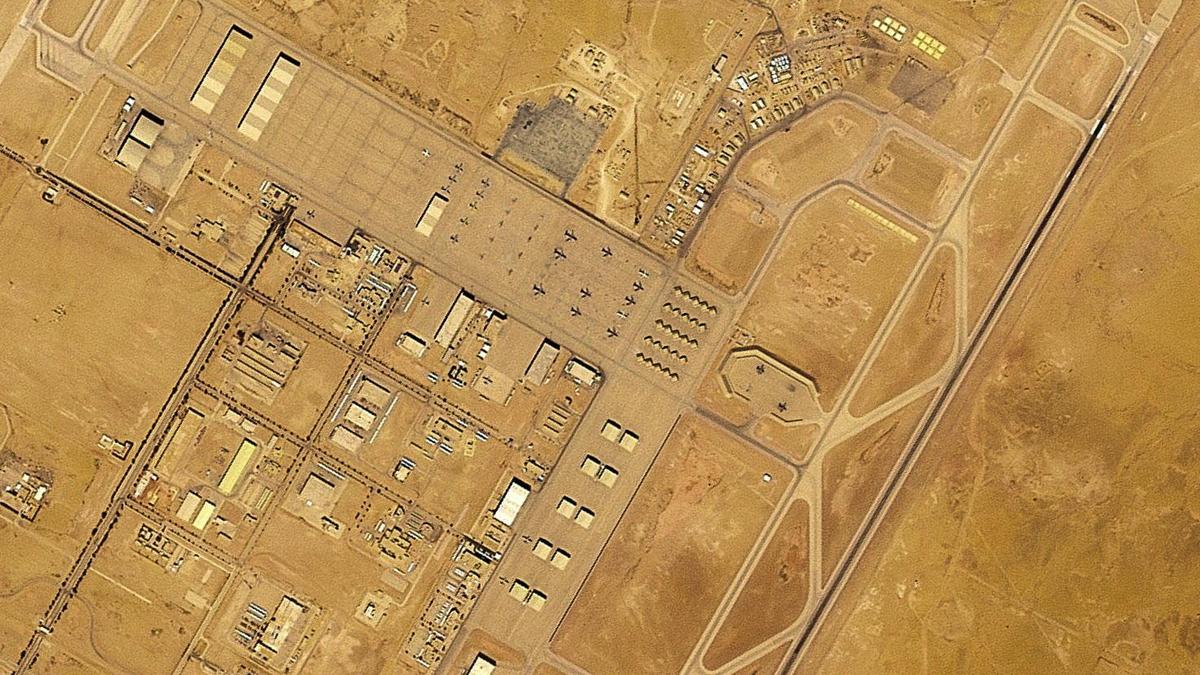
Iran knows that a massive spike in oil prices would wreck the global economy. They're betting that the fear of $150-a-barrel oil is enough to make the West flinch. During the 2019 Abqaiq–Khurais attack, we saw how a single well-coordinated drone swarm could knock out half of Saudi Arabia's oil production overnight. Iran learned from that success. They know the vulnerabilities of these massive, sprawling industrial complexes. You can't put a missile defense system over every single pipe and storage tank.
Why U.S. Companies Are the Specific Target
Why go after the companies? It’s about pain points. If Iran hits a state-owned facility, it’s an act of war against a nation. If they hit a facility where ExxonMobil, Chevron, or Halliburton has significant assets or personnel, they’re hitting the American economy and political psyche directly.
They want to create a scenario where U.S. corporations tell the State Department that the risk of staying in the region is becoming "unmanageable." It’s a move designed to erode the long-term presence of American industry in the Gulf. Honestly, it’s a smart, if terrifying, play. By making the cost of doing business too high, they achieve a strategic withdrawal without winning a single traditional battle.
The Role of Proxies in the Coming Months
We shouldn't expect Iran to always use its own IRGC forces for these hits. The "Axis of Resistance"—groups like the Houthis in Yemen or militias in Iraq—gives Tehran "plausible deniability."
- The Houthis: They've already proven they can hit deep into Saudi territory and disrupt Red Sea shipping.
- Iraqi Militias: They sit right next door to major U.S. energy investments in Basra and the northern fields.
- Hezbollah: While focused on the Mediterranean, their reach shouldn't be underestimated if the conflict goes regional.
Using these groups allows Iran to turn up the heat while trying to avoid a direct, full-scale war with the United States. It's a delicate, dangerous dance.
What This Means for Global Energy Markets
The market is currently pricing in "geopolitical risk," but it hasn't truly reckoned with a sustained campaign against Gulf infrastructure. Most analysts look at "supply disruptions" as temporary blips. But what if a major export terminal in the UAE is offline for six months? What if tankers refuse to insure voyages through the Strait of Hormuz because the threat level is too high?
We're looking at a potential reality where the "security premium" on oil becomes a permanent fixture. For years, the world operated under the assumption that the U.S. Navy guaranteed the free flow of energy. That assumption is being tested more than ever before. If Iran follows through on these threats, the traditional map of energy investment is going to be redrawn.
Preparing for a Volatile Security Environment
If you're an investor or an operator, "business as usual" is a fantasy. The threat to U.S. companies in the region is now a primary feature of Iranian foreign policy. This isn't a temporary spat; it's a long-term strategic realignment.
The immediate focus should be on hardening physical assets and dramatically increasing cyber defenses. Iran has shown a high degree of sophistication in "wiper" malware attacks against energy targets in the past. A missile doesn't even have to land to shut down a refinery if the control systems are compromised.
The reality is that the region is one miscalculation away from a massive industrial catastrophe. Companies need to have evacuation plans that aren't just paper exercises and supply chain redundancies that don't rely on a single port or pipeline. The threat is real, the intent is clear, and the window for quiet preparation is closing fast.
Get your security audits done now. Review your insurance "Force Majeure" clauses. Most importantly, stop assuming that being a private company gives you a "civilian" pass in this conflict. In the eyes of Tehran, if you’re American, you’re a target.