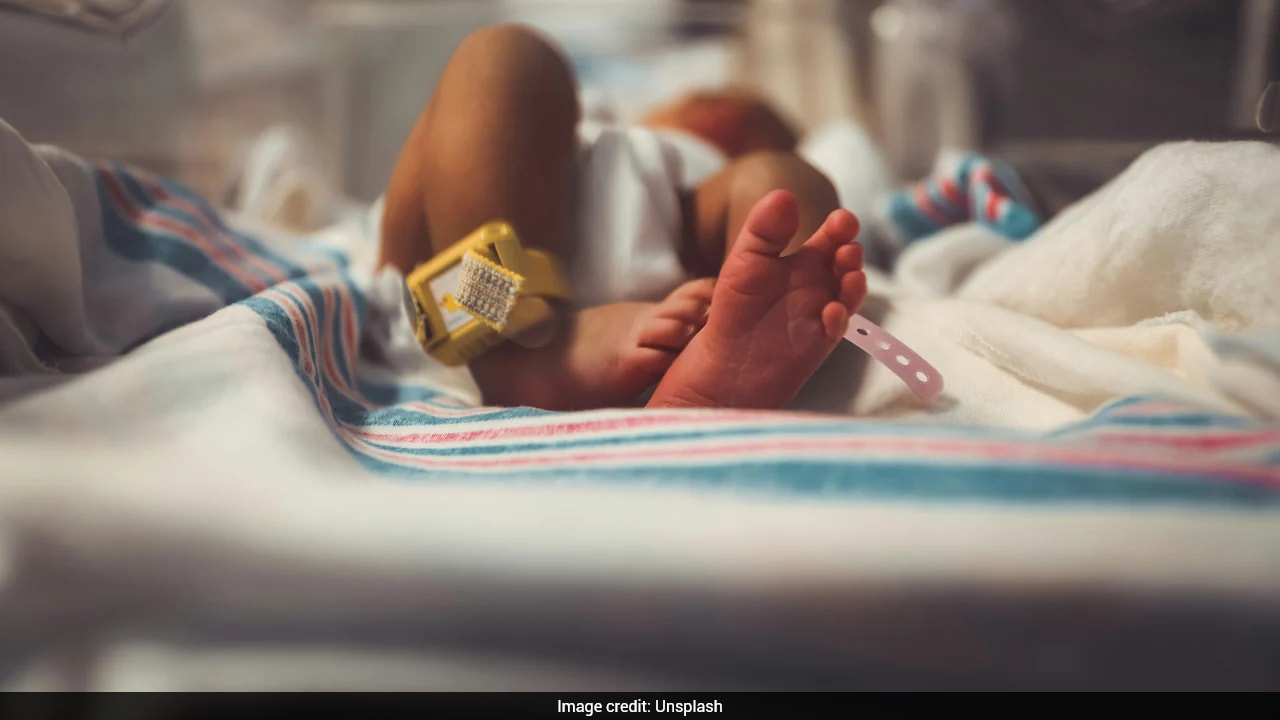
Disaster zones rarely offer good news. When a powerful earthquake struck Venezuela, leaving communities shattered and rescue teams scrambling through dust and concrete, the world braced for grim statistics. Then came a headline that instantly went viral. Search and rescue teams pulled a newborn baby and her mother from the collapsed remnants of a building. Within hours, social media platforms lit up. The word miracle started trending globally.
It is easy to see why people latched onto this story. A birth in the middle of destruction feels like a script from a Hollywood movie. It gives us hope when everything else looks completely bleak. But when we look closer at these viral moments, we find a much deeper, more complicated reality about survival, medical infrastructure, and what actually happens when disaster hits vulnerable populations.
We need to talk about what these stories get right, what they get wrong, and why calling it a miracle sometimes ignores the real human effort that keeps people alive.
The Reality of Emergency Childbirth in Disaster Zones
Giving birth is complicated under the best conditions. Do it under tons of shattered concrete, and the danger spikes drastically. When the ground shakes and buildings collapse, the immediate threat comes from blunt force trauma, dust inhalation, and severe stress. Stress alone can trigger premature labor, which seems to be what happened in this Venezuelan disaster.
Emergency medical workers know that a crush injury changes how the human body functions. For a pregnant woman, the risks double.
- Placental Abruption: The physical shock of an earthquake can cause the placenta to separate from the uterus early. This cuts off oxygen to the baby and causes severe internal bleeding for the mother.
- Infection Risks: Rubble is full of dust, bacteria, sewage, and sharp debris. A newborn has zero immune system defenses against these elements.
- Hypothermia: Trapped individuals cannot regulate their temperature easily. Newborns lose heat rapidly, making immediate skin-to-skin contact or clean wrapping essential for survival.
Medical reports from organizations like Doctors Without Borders show that during earthquakes, premature births and miscarriages jump significantly. It is not just about the physical trauma of falling debris. The sheer psychological terror of the event sends adrenaline levels through the roof, which shuts down non-essential bodily functions and can force a body into sudden labor.
When you hear about a baby born in the rubble, you are looking at a biological battle against incredible odds. The mother's body goes into survival mode, prioritizing the delivery even when trapped in a tight, dark space with limited oxygen.
Why the Internet Pulls for the Miracle Narrative
Watch how stories like this spread on platforms like X, TikTok, and Instagram. The comments section quickly fills with prayers, emotional emojis, and declarations of divine intervention. There is a psychological reason we do this.
When a major crisis occurs, whether it is an earthquake in Venezuela or a flood elsewhere, people experience collective trauma. We feel helpless watching destruction from our phones thousands of miles away. Sharing a story about a baby surviving against the odds makes us feel better. It acts as an emotional buffer against the overwhelming tragedy of the wider situation.
But relying too heavily on the word miracle can unintentionally minimize the sheer grit of the mother and the frantic, dangerous work of local first responders.
First responders do not rely on luck. They rely on heavy lifting gear, acoustic listening devices, and their bare hands. In the Venezuelan response, local volunteers and neighbors were the ones digging through the initial dust clouds before heavy machinery could even arrive on the scene. Calling the survival a miracle can obscure the fact that training, community resilience, and rapid medical intervention are what actually save lives.
The Broken Infrastructure Behind the Headline
To truly understand this event, you have to look at the environment where it happened. Venezuela has faced severe economic challenges for years, which heavily impacted its public healthcare system long before the earthquake hit.
Hospitals frequently deal with shortages of basic medical supplies, intermittent electricity, and a lack of running water. When an earthquake hits an already strained system, the results are catastrophic.
Imagine being a doctor in a local Venezuelan clinic when a disaster strikes. The power goes out. Your backup generator may or may not have enough fuel. Suddenly, you have to treat hundreds of trauma patients while also managing complicated births.
This background is why the survival of a mother and child in the rubble is so remarkable. They did not just survive the collapse of a building. They survived a healthcare environment that was already operating on the edge.
International agencies like the Pan American Health Organization have repeatedly highlighted the need to reinforce hospital structures and supply chains in Latin America. When we celebrate a single survival story, we should also use that attention to demand better safety nets for the thousands of other mothers who do not make the front page but still have to give birth in a crisis.
What Happens After the Cameras Leave
The viral cycle lasts about forty-eight hours. The story gets shared, the likes accumulate, and then the internet moves on to the next trending topic. For the mother and her newborn child in Venezuela, however, the real struggle begins after the rescue teams pack up.
Surviving the initial collapse is step one. Step two is dealing with the long-term aftermath of a disaster.
- Displacement: Their home is gone. They will likely end up in a temporary shelter or crowded tent city where sanitation is poor and clean water is scarce.
- Post-Traumatic Stress: Both the mother and the family will deal with severe psychological trauma. The fear of aftershocks can cause ongoing anxiety, sleep deprivation, and difficulties with breastfeeding.
- Lack of Follow-up Care: A baby born in these conditions needs close monitoring for infections, respiratory issues from dust inhalation, and developmental milestones. In a post-disaster zone, finding a pediatrician for routine checks is incredibly difficult.
We often treat these stories as a definitive happy ending. In reality, it is just the beginning of a very long, difficult road to recovery. The family needs housing, continuous medical support, and financial aid to rebuild their lives from scratch.
How to Actually Help in Post-Earthquake Scenarios
If this story moved you, the best response is to channels that emotion into practical action rather than just hitting the share button. Sending thoughts and prayers does not buy clean water or medical kits.
If you want to support maternal health and disaster relief in regions facing these crises, look for organizations that operate directly on the ground. Groups like Red Cross societies, UNICEF, and local Venezuelan humanitarian networks know exactly where the resources need to go.
Direct your support toward maternal care kits, mobile clinics, and clean water initiatives. These are the tools that turn desperate situations into survival stories. The next time a crisis hits, the availability of a simple sterile delivery kit will do far more to ensure a safe birth than any viral social media post ever could. Survival requires resources, preparation, and sustained global attention long after the rubble stops smoking.