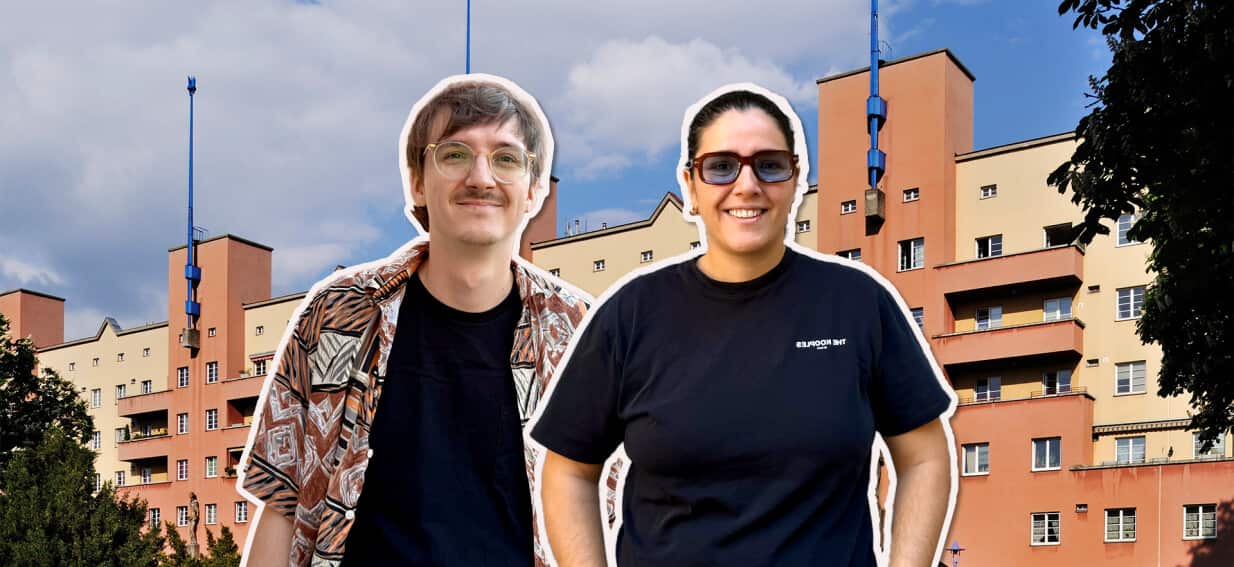
Vienna has a reputation that makes every struggling renter in London, New York, or Sydney green with envy. It’s often called a "renter’s utopia" where the government owns the dirt, the buildings, and the dream of affordable living. People like Max, a typical resident often profiled in news segments, live in spacious apartments with high ceilings and low rent that hasn’t spiked in decades. It sounds perfect. It sounds like the solution to the global housing crisis.
But there’s a catch. Actually, there are several.
If you’re looking at Vienna from the outside, you’re likely seeing a curated version of reality. The city’s social housing system, which serves about 60% of its population, is a marvel of 20th-century municipal ambition. Yet, the cracks are widening. As the city grows and the economy shifts, the "Vienna Model" is starting to look less like a universal blueprint and more like a closed club that rewards those who got in early while leaving newcomers out in the cold.
The Myth of Universal Access
The biggest misconception about Vienna is that anyone can just show up and snag a subsidized flat. That’s flat-out wrong. To even apply for a Gemeindebau (municipal housing) apartment, you usually need to have lived in Vienna for at least two years. You also need to meet income requirements, though these are surprisingly high—around €50,000 for a single person.
This high ceiling is intentional. The city wants a social mix. They don't want "ghettos" for the poor; they want doctors living next to delivery drivers. It’s a noble goal that works for social cohesion. However, it creates a massive bottleneck. Because almost everyone qualifies, the waitlists are staggering. If you’re a young person starting a career or a migrant looking for a foothold, "utopia" is a five-year wait on a dusty list.
Why the System Is Unfair to Newcomers
The unfairness isn't about what people pay. It’s about who gets to pay it. Vienna’s housing success relies on a "once you’re in, you’re in" policy. Once you secure a social housing contract, it’s yours for life. Even if your income triples and you become a millionaire, the city won't kick you out or even raise your rent to market rates.
I’ve seen how this plays out. You have wealthy professionals living in massive, subsidized apartments in the heart of the city while young families are pushed to the outskirts. These "legacy" tenants occupy the most desirable stock, and because there’s no incentive for them to leave, the market stays stagnant. It’s a protectionist bubble. It rewards longevity over need.
Compare this to the private market in Vienna. If you don't qualify for social housing or can't wait half a decade, you’re shoved into the private sector where prices are rising just like everywhere else. The gap between the "haves" (those with municipal contracts) and the "have-nots" (everyone else) is becoming a defining social divide in the city.
The Massive Cost of Maintaining a Utopia
Maintaining hundreds of thousands of apartments isn't cheap. Vienna pours roughly €400 million of tax revenue into housing every year. This comes from a dedicated 1% tax on every worker’s salary—half paid by the employer, half by the employee.
It’s a collective investment that has paid off since the "Red Vienna" era of the 1920s. But here’s the problem: construction costs are skyrocketing. Land is becoming scarce. The city is struggling to build fast enough to keep up with a population that’s expected to hit two million soon.
When the city can't build, it leans on "limited-profit" housing associations. These are private developers who get cheap loans and land from the city in exchange for capping rents. It’s a smart compromise, but it’s still a struggle against the gravity of global inflation. The "utopia" is expensive, and as the population ages, the tax base might find it harder to foot the bill for those legacy contracts.
The Architecture of Control
Step inside a place like Karl-Marx-Hof, the most famous social housing block in the world. It’s nearly a kilometer long. It has beautiful arches, shared courtyards, and kindergartens. It represents a time when the state cared about the dignity of the working class.
But this style of living comes with a specific cultural expectation. These aren't just apartments; they are symbols of a managed society. There are strict rules about noise, common areas, and even how you hang your laundry. For some, it’s a sense of community. For others, it’s a stifling bureaucracy. If you have a problem with your neighbor or a leaking pipe, you aren't dealing with a landlord you can sue—you're dealing with the City of Vienna. Good luck with the paperwork.
Is the Model Exportable?
Every time a politician in Berlin or London mentions the Vienna Model, they miss the most important factor: time. Vienna didn't do this overnight. They started 100 years ago when land was cheap and the city owned vast tracts of it.
Most modern cities have already sold off their land to private developers. To implement a "Vienna Model" in London today, the government would have to spend trillions of dollars buying back land at peak market prices. It’s a pipe dream. Vienna’s success is a result of historical persistence, not a quick policy fix.
What You Should Actually Do If You Move to Vienna
If you’re planning to move there thinking you’ll live like Max in a cheap, palatial flat, wake up. You’ll likely start in a "Wohngemeinschaft" (flatshare) or a pricey private rental.
To navigate the system, you need to play the long game. Register with the "Wohnberatung Wien" the second you’re eligible. Don't be picky about the district. The 10th or 21st districts might not be as "cool" as the 7th, but they are where the new construction is happening.
Check out "Limited-Profit" developers like Sozialbau. They offer a middle ground between the impossible municipal waitlists and the predatory private market. You’ll need a "Finanzierungsbeitrag"—a down payment that can be several thousand euros—but you get it back (mostly) when you move out.
Understand that the system is designed for stability, not mobility. If you move every two years, Vienna will punish you. If you stay for twenty, it will reward you. That’s the trade-off. It’s not a utopia for everyone; it’s a fortress for those who stay put.
Stop waiting for a "housing revolution" in your own city based on the Vienna Model. Instead, look for local advocacy groups pushing for "community land trusts." These are the small-scale, modern equivalent of what Vienna did a century ago. It’s about taking land off the speculative market permanently. That is the only way out of the rent trap.