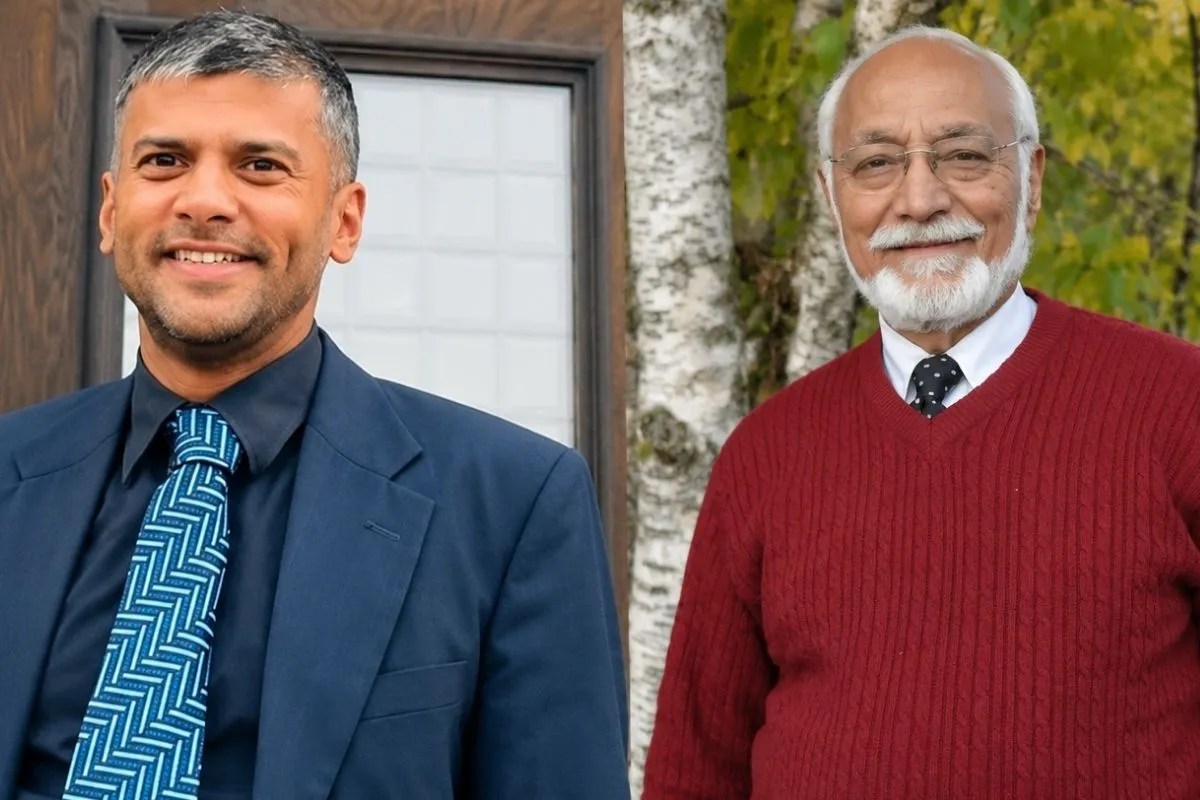
Democrat Amy Acton defeated Republican entrepreneur Vivek Ramaswamy in the 2026 Ohio gubernatorial election, flipping the governor's mansion after sixteen years of Republican control. Acton, a former state health director who will become Ohio's first elected female and first Jewish governor, prevailed over Ramaswamy, a biotech founder and former presidential candidate backed by President Donald Trump and Vice President JD Vance. The outcome broke a twenty-year drought for Democrats in Ohio statewide executive contests, turning a race that many strategists initially expected to tilt toward the GOP in a state Trump had carried by double digits in 2024.
After thirty years covering Rust Belt politics, I have watched plenty of supposedly safe states slip out from under confident parties. Usually, the postmortem blames a single bad ad, a late polling slip, or national headwinds. Here, the shift ran deeper. Voters weighed competing visions of competence, cost relief, and political tone in a state that has long resisted permanent ideological labels. For an alternative view, check out: this related article.
How a Red-Leaning State Turned Competitive
For much of the past decade, Ohio looked like an uphill climb for statewide Democrats. Republicans held the governor's office from 2011 onward through Mike DeWine, who was term-limited from seeking a third consecutive term in 2026. In the May 5 primary, Ramaswamy easily cleared the field with more than 82% of the vote, while Acton ran unopposed for the Democratic nomination with former Ohio Democratic Party chair David Pepper as her running mate.
On paper, Ramaswamy entered the general election with formidable advantages. He had national name recognition from his 2024 presidential run, personal wealth from founding Roivant Sciences, and high-profile endorsements from Trump, Vance, and Elon Musk. Similar coverage on the subject has been shared by USA Today.
Yet double-digit presidential margins in one cycle do not automatically transfer to off-year or midterm gubernatorial races. Governors sign budgets, manage state agencies, and shape local property and tax debates that feel closer to home than cable-news culture wars.
In autumn 2026, polling steadily moved toward Acton. A string of October surveys put her ahead, confounding early assumptions that Ohio's conservative tilt made a Democratic comeback improbable.
Two Very Different Models of Leadership
What separated Acton and Ramaswamy was not merely party affiliation. It was how each candidate asked voters to think about public power and everyday pressure.
Acton framed her campaign around practical problem-solving and household affordability. Having led the Ohio Department of Health during the early months of the COVID-19 pandemic, she leaned into the image of a steady public servant who had handled high-stakes crises without theatrics. Her platform spotlighted Working Families Tax Cut proposals—including an Earned Income Credit and child tax credits aimed at lower- and middle-income households—alongside lowering health care costs and supporting working families squeezed by groceries, housing, and everyday bills.
"This win is for every Ohioan who has longed for public servants again, who solve problems instead of making them and do not mistake kindness for weakness." — Amy Acton, victory speech
Ramaswamy pitched a sharper, disruptive outsider model rooted in business urgency and conservative populist energy. To voters who view state bureaucracy as bloated or stagnant, an entrepreneur with a national platform sounds refreshing. To voters worried about volatility or personal friction, that same style can feel combative.
Consider a hypothetical small-business owner in suburban Columbus or Mahoning Valley. One day she looks at rising health insurance premiums and property taxes; the next she watches national political brawls dominate local news. The candidate who convinces her that government can work reliably—and fairly—often wins the persuadable middle, even in a state where Republicans hold structural advantages.
The Tone Trap and Campaign Flashpoints
Campaigns rarely turn on policy white papers alone. They turn on moments that crystallize what voters fear about each side.
Late in the race, the contest drew national scrutiny over a controversial attack ad targeting Acton's upbringing. Even after the spot was pulled in the final stretch, the backlash lingered. Ramaswamy doubled down rather than retreating, while Trump and Vance defended him amid the criticism, and Trump labeled Acton a "radical left lunatic" at an October rally in Youngstown.
Why Negative Campaigns Backfire in Swing Suburbs
Aggressive attacks can rally a candidate's base. They carry a steep cost when they alienate swing voters who already feel exhausted by political hostility.
In a closely watched state like Ohio, persuadable voters often punish whichever campaign looks angrier or more personal. Acton seized on that contrast directly, telling supporters that Ohio had chosen unity and decency over division.
| Strategic Dimension | Amy Acton Approach | Vivek Ramaswamy Approach |
|---|---|---|
| Core Identity | Former state health director and public problem-solver | Biotech founder, former presidential candidate, and political disruptor |
| Economic Pitch | Working families tax relief, child credits, and lower health and living costs | Entrepreneurial energy backed by national GOP leadership |
| Coalition & Backing | Democratic mayors, labor groups, and suburban/working-class voters | Trump, Vance, Musk, and core conservative base |
| Campaign Vulnerability | Past pandemic-era public health controversies and GOP attacks | Backlash over harsh personal attack ads and nationalized rhetoric |
Gray Areas Ahead of Inauguration Day
Winning an election in a competitive state is one thing. Governing once in office is another.
Acton is scheduled to be inaugurated on January 11, 2027. Her victory does not hand Democrats a blank check across every lever of state government. Passing major tax relief or new credits requires negotiating with a state legislature and navigating budget realities that rarely bend easily to campaign promises.
Nor does one election erase Ohio's underlying political cross-currents. Pandemic-era memories still cut both ways among voters, and Republicans retain deep roots across large parts of the state. For Democrats nationwide, the result shows that a disciplined message on cost of living and basic competence can still break through in tough territory; for Republicans, it serves as a blunt reminder that national alignment and online momentum are no substitute for winning over skeptical voters at the kitchen table.
What happens next in Columbus will test whether a campaign built on steady governance and pocketbook relief can deliver tangible results once the applause fades.