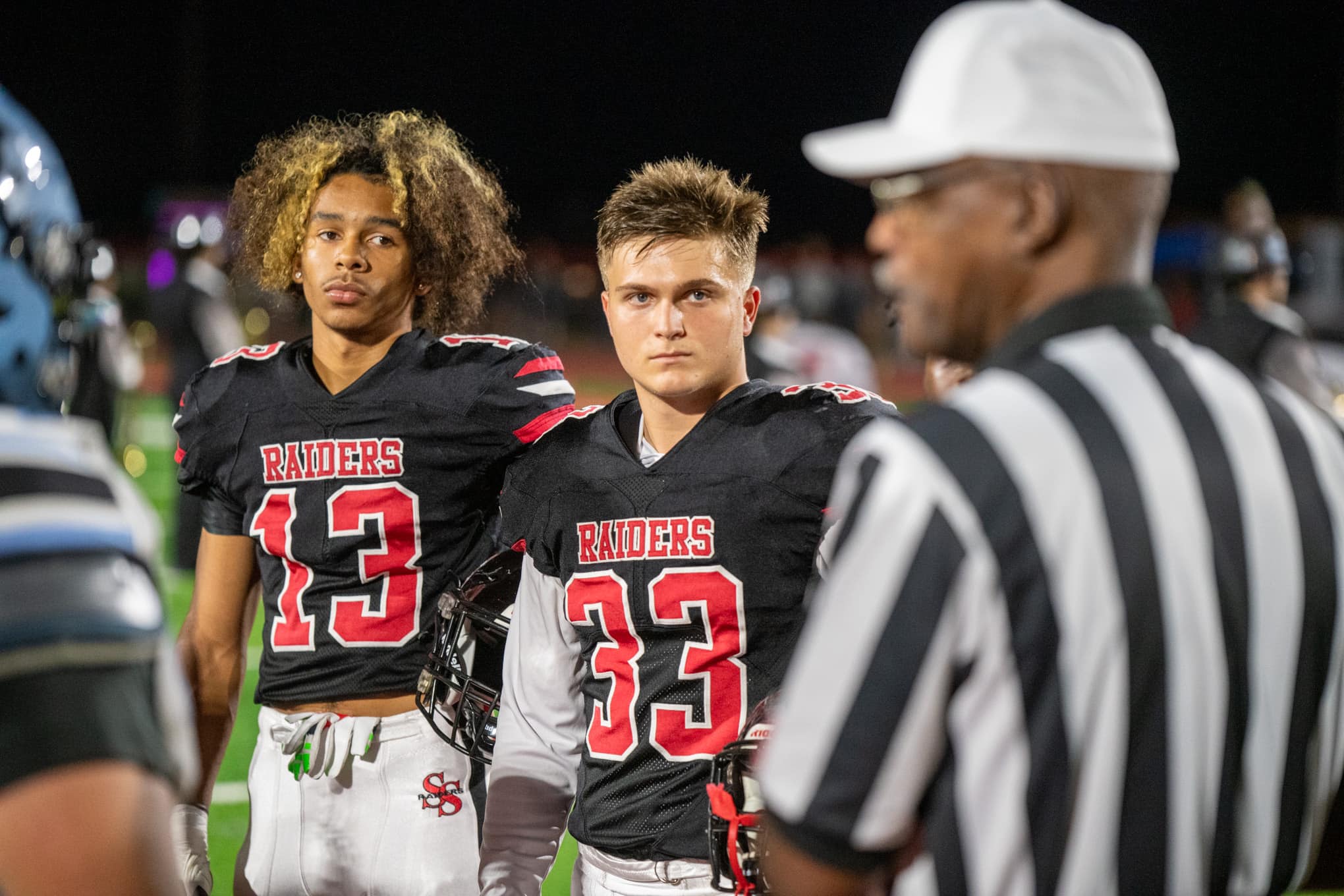
Every defensive coordinator in the league dreads the same nightmare. It's not just a single star player who ruins your Sunday; it's the convergence of three distinct, high-level threats acting in sync. When an opposing offense deploys a trio of elite weapons, the entire defensive structure shifts. It becomes reactive rather than proactive. Washington has faced this exact dilemma recently, and the results have been anything but pretty.
Watching the defense scramble isn't fun for fans, but it's revealing. When you have three dynamic playmakers on the field, you can't double-team everyone. That’s the core of the problem. If you shadow the deep threat, the slot receiver finds the soft spot in your zone. If you bring the safety down to help, the running back leaks out for a screen that breaks for twenty yards.
The Math Behind The Mismatch
It’s simple arithmetic. Most defensive schemes are built to neutralize two primary threats. You have your CB1 for their best receiver and a bracket coverage or a roaming safety for the secondary weapon. When a third player enters the equation, the defense is essentially playing "man down" on talent.
Washington’s struggles often stem from an inability to adapt when a third option consistently produces. Take the recent matchups where the team allowed quick-strike drives. You see the linebackers cheating toward the box to stop the run, leaving the middle of the field wide open. It’s a classic trap. The opposing coordinator knows exactly where the hesitation is. They’ve done their homework.
Defensive Hesitation Is Fatal
You can see it on the film. The defensive backs look at each other. There’s a split second of indecision when the motion happens. That hesitation is where games are lost. In the modern game, the speed of execution is everything. If you're thinking, you're already behind the play.
What makes a high-performing trio so dangerous isn't just their individual speed or route running. It's their chemistry. They know where the others will be. When the quarterback sees the secondary rotate, the ball is already coming out. They aren't waiting for the receiver to get open; they’re throwing to where the receiver will be after the defense realizes they’ve been out-leveraged.
Fixes That Actually Work
So, how does a team solve this? You can't just wish for better talent. You have to change the approach.
- Disrupt the timing. If you can't cover them, you have to hit them. Not necessarily illegal hits, but physical contact at the line of scrimmage is mandatory. If you let these guys release clean, you’re dead.
- Varied disguises. Stop showing your hand before the snap. If you line up in a predictable shell, the quarterback reads it from the parking lot. You need to rotate coverages post-snap to force them to hold the ball for just one extra heartbeat.
- Pressure with four. Blitzing is a death sentence against a coordinated trio. You leave yourself thin on the back end. You have to get home with a standard four-man front. If you can't, you’re forced to choose which receiver you’re willing to let beat you.
Why The Conventional Wisdom Fails
Too many people think the solution is to play a "bend don't break" style. They want to force the offense to drive the length of the field. The problem? Against an elite trio, you aren't going to get the stops you need in the red zone. They’re too efficient. They don't need big plays if they can nickel-and-dime you for ten yards a pop.
Washington needs to stop playing it safe. Being aggressive isn't about blitzing every down; it's about dictating the terms. If you let the offense play their game, you’ve already lost. The goal is to make the quarterback uncomfortable and force the secondary options to beat you. If you allow the stars to dictate the rhythm, the scoreboard will reflect that lack of urgency.
Consistency matters. It’s not just about one drive or one half. It’s about maintaining that physical edge from the opening kickoff until the clock hits zero. The teams that struggle most are the ones that lose focus as the fatigue sets in. You have to stay locked in on every single snap because that’s exactly when the breakdown happens. Don't let the scheme define your ceiling. Execute, adapt, and force the opponent to play your style of football.