When the wind finally drops and the thermometer ticks downward, it feels like a massive victory. But if you live through a wildfire siege, you know better than to trust a temporary weather shift.
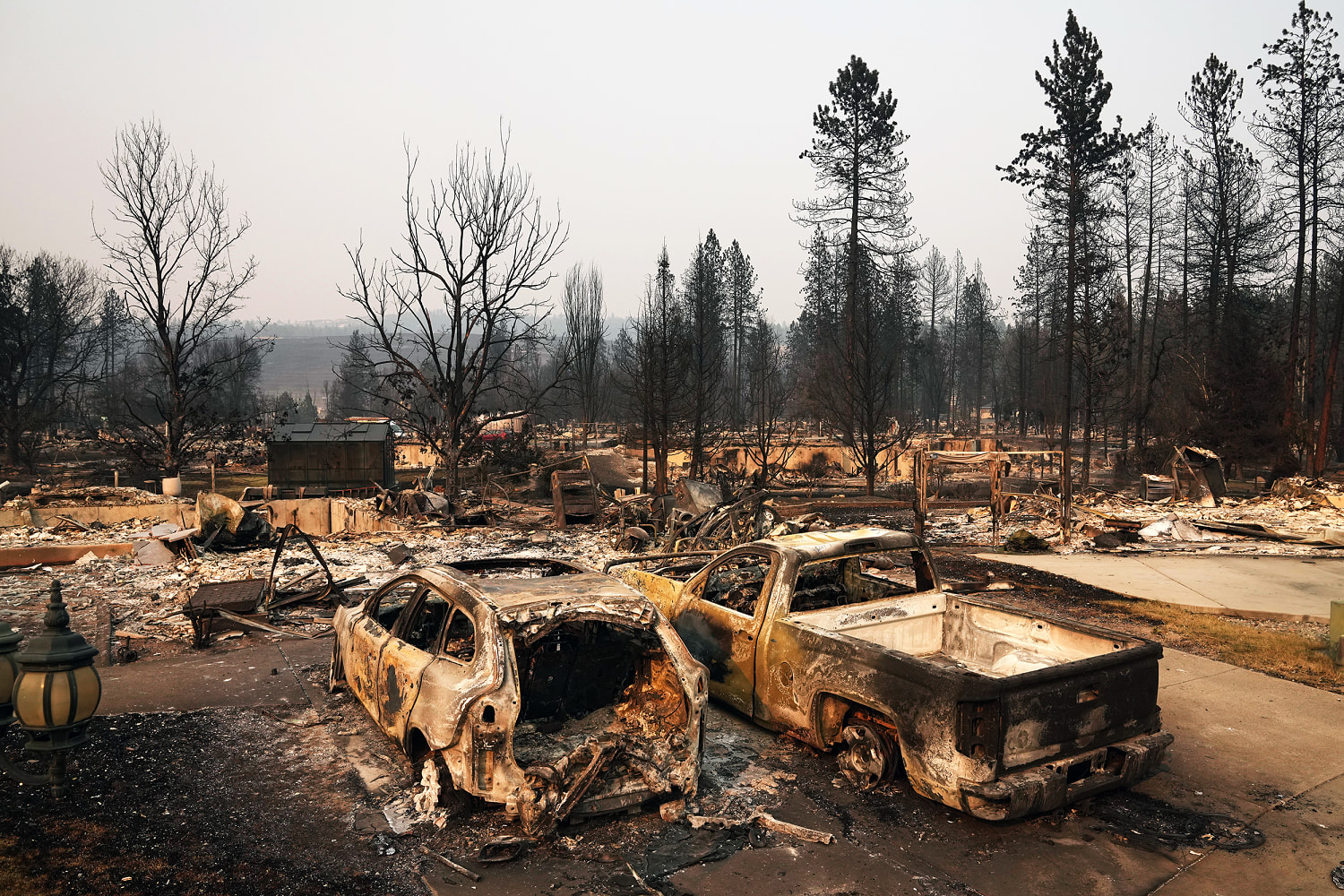
Cooler air moved into eastern Washington just as emergency crews struggled to get a handle on the aggressive Spokane Complex fires. Those blazes—spanning the Old Trails, Autumn Lane, and Fairview fires—forced tens of thousands of residents to pack up whatever they could throw into a trunk and flee. Entire neighborhoods vanished into ash, leaving structural frames reduced to concrete foundations.
Meteorological relief gives firefighters a brief window to build containment lines, yet the underlying threat remains entirely unchanged. Dry timber, parched soils, and a changing regional climate mean that a drop in temperature is nothing more than a momentary pause before the next escalation.
The Reality Behind the Spokane Evacuations
Let's look at what actually happened on the ground. Over 60,000 people received mandatory Level 3 evacuation orders as fast-moving flames whipped through dry brush and residential streets. When winds sustained at 20 to 30 miles per hour with fierce gusts slammed the region, defensible space didn't matter much. Embers jumped highways and ignited structures before ground crews could even deploy.
Local officials labeled it the worst natural disaster the region has ever faced. Red Cross shelters filled up quickly at convention centers and fairgrounds, accommodating displaced families alongside vulnerable residents evacuated straight from local nursing homes.
People often wonder why evacuation orders are so strict until they see how fast a crown fire moves. You don't have hours to pack photo albums. You have minutes. Families grabbed pets, vital documents, and car keys, leaving behind 20 years of memories to burn.
Why Temperature Drops Can Be Deceptive
Lower temperatures and calmer breezes lower the raw intensity of a fire front. Humidity ticks upward slightly, and the flames stop sprinting across dry grass. Firefighters use these cooler windows to cut direct line breaks with bulldozers and hand crews.
However, the fuel load is bone-dry. Weeks of severe drought baked the vegetation into kindling. When the weather forecast swings back toward the mid-90s and humidity drops into the teens—as predicted later in the week—those sleeping embers wake right back up.
Counting on a cool Monday to solve a landscape-scale wildfire crisis is a dangerous mistake. It gives a false sense of security to residents eager to return home. Sheriff's deputies and fire chiefs spent days turning people away at checkpoints precisely because a sudden wind shift can turn a contained perimeter into a death trap within seconds.
Navigating the Aftermath and Long Road Ahead
Returning to a burned property requires more than just curiosity; it demands caution. Standing chimneys collapse without warning. Toxins from melted plastics, household chemicals, and burnt building materials coat the soil. Public health departments warn evacuees to wear proper respirators and heavy gear if they manage to sift through the rubble of their homes.
Federal and state agencies are stepping up coordination, pushing emergency declarations through channels to secure immediate disaster assistance. Yet, financial aid doesn't replace a destroyed local ecosystem or bring back small businesses that anchored a community.
If you're tracking the situation or supporting friends and family displaced in eastern Washington, keep your focus on official local emergency channels rather than social media rumors. Prepare an emergency go-bag now, clear defensible space around your property if you live in a high-risk zone, and recognize that wildfire season is no longer confined to a few bad weeks in August—it's an ongoing reality that demands year-round vigilance.