The phone line connected two worlds separated by concrete, steel, and a terrifying acceleration of time.
On one end stood a prison cell in Iran. On the other, a fiancée waiting with a heart hammering against her ribs. They had planned a life together, a future built on ordinary mornings, shared coffee, and the quiet dignity of growing old side by side. Instead, their union was compressed into the harsh, metallic cadence of a cellular connection. They spoke vows of endurance. They promised to find each other, if not in this room, then in the vast memory of a country that was swallowing its own youth.
The call ended. The dial tone hummed its empty note.
Twenty-four hours later, he was gone.
History often records the machinery of authoritarian states through dry statistics. We read of tribunals held behind closed doors, of midnight rulings, of death sentences handed down with bureaucratic indifference. But statistics do not bleed. Numbers do not hold the static of a final phone call. To understand what happens when a government decides that dissent is a capital offense, we have to look past the docket numbers and listen to the silence left behind when the line goes dead.
Mohammad Boroughani was twenty-two years old. In a different world, he would have been worrying about university exams, saving up for a modest apartment, or arguing with friends over football. In the world he actually inhabited, he was caught in the sweeping dragnet of the protests that shook Iran following the death of Mahsa Amini.
The protests were not born in a vacuum. They were fueled by a profound, generational exhaustion. Young Iranians had grown up watching their economic futures evaporate under the weight of international sanctions and systemic corruption. They had watched their freedoms constricted to the point of suffocation. When Mahsa Amini died in the custody of the morality police, it was not merely an isolated tragedy; it was the spark that ignited a dry forest.
The state responded with the only tool it trusted: absolute force.
Courts that operated with terrifying speed began issuing death sentences to protesters. These were not trials in any recognized legal sense. They were staged rituals designed to terrify a population back into submission. Defendants were frequently denied access to independent counsel. Confessions were extracted under duress. The verdicts were predetermined long before the judges took their seats.
Mohammad found himself swept into this judicial slaughterhouse. His crime was participating in demonstrations that challenged the legitimacy of a regime that had long since lost the consent of the governed. For the state, his youth and his defiance were not mitigating factors; they were threats that needed to be violently neutralized.
Consider the psychological landscape of a condemned prisoner in those final days. The isolation is absolute. The guards are shadows. Every footstep in the corridor carries the terrifying possibility of the executioner. Yet, in the middle of this nightmare, human connection stubbornly asserts itself. Mohammad managed to reach the woman he loved.
Marriage by phone is an act of supreme defiance. It strips away the pomp, the celebrations, and the witnesses, leaving only the raw essence of commitment. It is a declaration that even if the state can take a life, it cannot dictate the terms of the heart. They spoke of tomorrows they must have known were mathematically impossible, clinging to each other across the divide of a receiver.
When a government executes a young man the day after he marries, it is sending a message. It is a brutal, unambiguous warning to a nation: We can touch everything. We can turn your happiest moments into ash. Do not dare to resist.
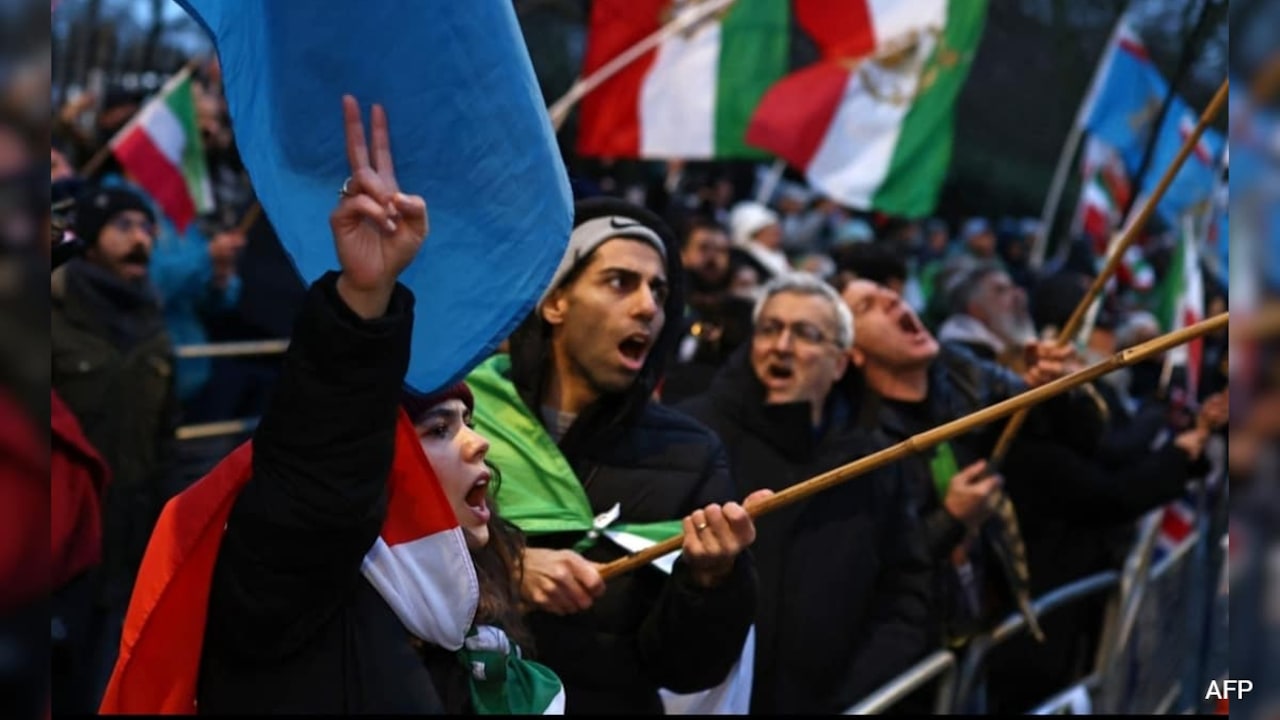
Yet, the history of resistance suggests a different truth. Totalitarian power is brittle precisely because it relies on terror. When the state has nothing left to offer its people except fear, fear loses its currency. The people who flooded the streets of Tehran, Isfahan, and Shiraz were not fearless; they were simply more afraid of living the rest of their lives as captives in their own land than they were of death.
The execution of Mohammad Boroughani sparked international condemnation, diplomatic reprimands, and fierce denunciations from human rights organizations worldwide. Statements were issued. Condolences were offered. Ambassadors were summoned.
And then, the news cycle turned. The headlines migrated to other crises, other conflicts, other tragedies.
That is the true danger of our modern media ecosystem. We consume outrage as a commodity, letting it spike our adrenaline before moving on to the next distraction. But for Mohammad’s family, for his widowed bride, the news cycle never ends. They live in the permanent afternoon of that final phone call, waiting for an accounting that may never come in this lifetime.
We must resist the urge to file these stories away as distant foreign affairs that do not concern us. The fight for human dignity is universal. When a government executes its citizens for demanding freedom of expression, bodily autonomy, and basic justice, it strikes at the foundational principle that every human being is born with inherent worth.
The phone line went dead on a cold January morning. But the voice on the other end is still echoing through the streets of Iran, carried by a generation that refuses to let the silence win.