History is rarely made in grand auditoriums under the blinding glare of television lights. More often, it is forged in the quiet spaces between heartbeats, where two figures decide that the distance between them is no longer worth the cost. Consider what happens next: a subtle shift in rhetoric, a raised eyebrow across a conference table, and the slow, agonizing machinery of diplomacy grinds into motion once more.
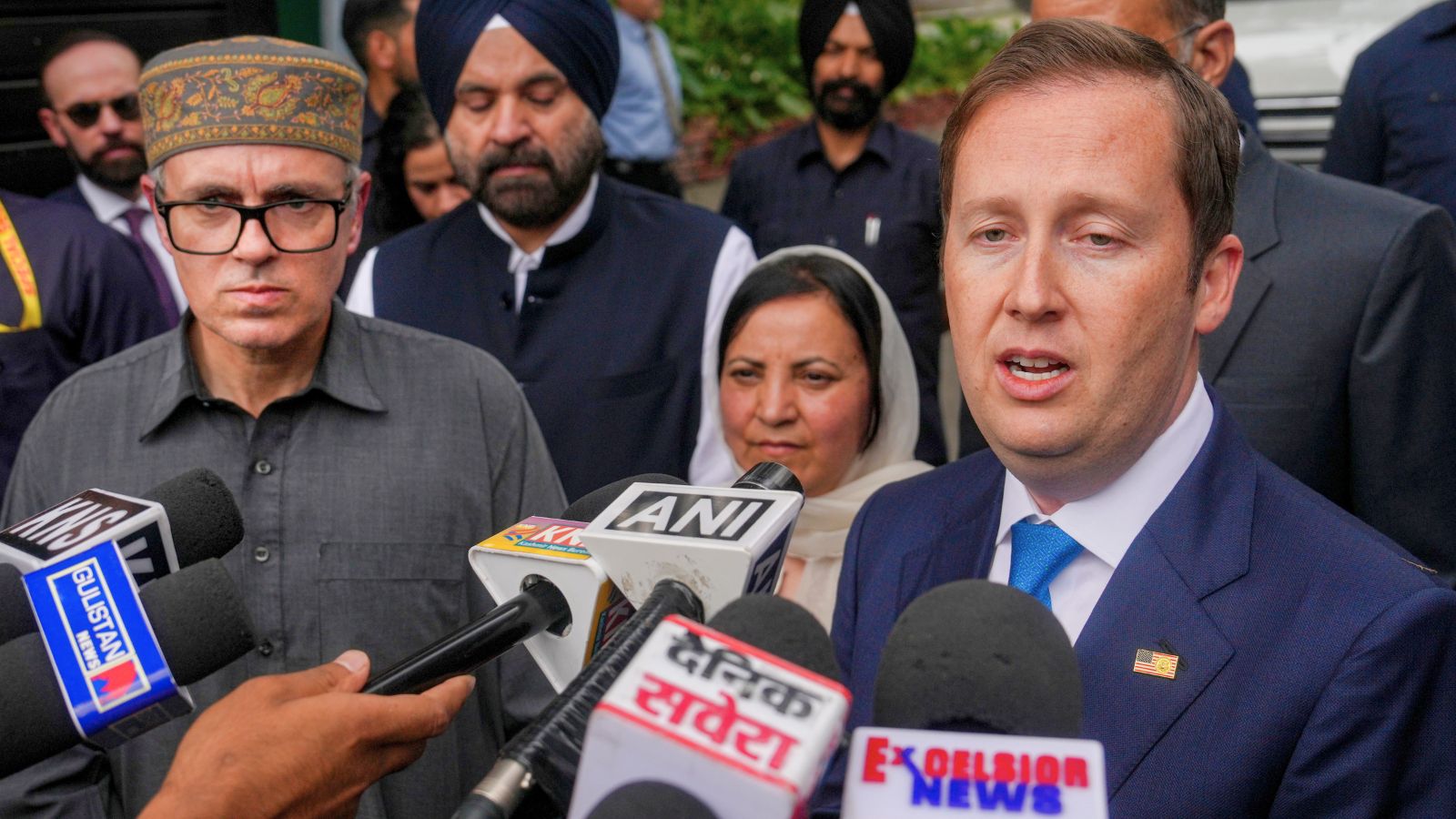
We live in a world shaped by walls. For decades, the demilitarized zone dividing the Korean peninsula has stood as a jagged scar of concrete and wire, a physical manifestation of a cold war that never truly thawed. Behind those borders live millions of people whose daily routines are anchored by the quiet hum of uncertainty. Generations have grown up under the shadow of sirens and saber-rattling, learning to treat the horizon not as a view, but as a warning. You might also find this similar coverage useful: Inside the Diplomatic Shockwave Over Kashmir That Washington Thought You Would Miss.
When leaders speak of crossing that divide, the reaction from the public is rarely neutral. There is a sharp intake of breath. Hope competes with cynicism. I remember the cold autumn morning years ago when the news cycle flickered with early rumors of high-level summits, and the atmosphere in ordinary living rooms shifted from weary resignation to cautious disbelief. You wonder if this time might be different. You look at the grainy photographs of motorcades and handshakes, searching the posture of the leaders for a sign of genuine breakthrough or mere theater.
Diplomacy at the highest level is an exercise in high-stakes psychology. To sit across the table from a leader whose government operates under an entirely different political architecture requires a strange blend of pragmatism and performance. When statements are made about potential future meetings, they are parsed by intelligence agencies, stock markets, and ordinary citizens alike. Every syllable is weighed. Every gesture is dissected. As reported in detailed coverage by Al Jazeera, the results are widespread.
The mechanics of these encounters are dizzying. Protocol officers spend months arguing over chair heights, camera angles, and the exact wording of press releases that may or may not survive contact with reality. But beneath the bureaucratic choreography lies the raw human element. Two individuals, carrying the collective aspirations and grievances of millions, step into a room. They possess the power to lower the temperature or pour fuel on an already smoldering fire.
Critics will always point to the past. They will remind us of broken promises, stalled negotiations, and communiques that amounted to little more than expensive paper. That cynicism is earned. History is littered with grand gestures that faded into the gray background of geopolitical stalemate. Yet, the alternative to dialogue is unthinkable. The machinery of deterrence, no matter how sophisticated, offers no permanent peace; it only buys time.
Consider the perspective of a family living within earshot of the border. For them, international relations are not abstract theories debated by pundits on cable news. It is the quiet prayer whispered before sleep, hoping that the rhetoric of the morning does not translate into the reality of the evening. When leaders signal a willingness to talk, that anxiety does not vanish, but it shifts shape. It becomes anticipation.
The road ahead is obscure, fraught with miscalculations and competing domestic pressures. No single conversation can erase decades of mistrust or resolve fundamental disagreements over security and sovereignty. But every journey across that threshold begins with a single, improbable declaration of intent. The cameras will roll. The analysts will argue. And somewhere in the quiet spaces of the world, people will watch and wait, hoping that this time, the words might actually mean something.