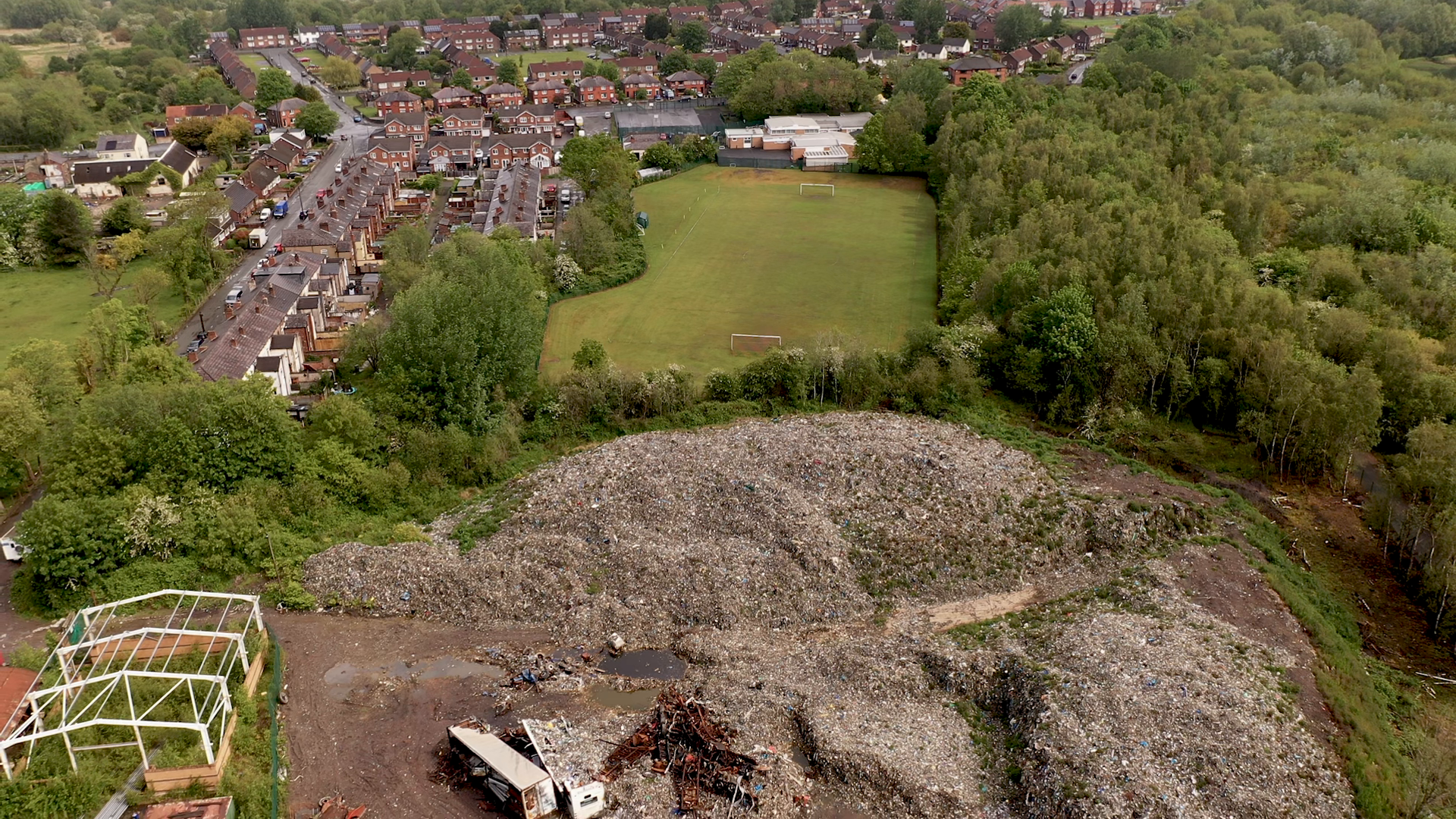
Dawn in the valley smells of wet rust and dead engines.
If you stood long enough on the gravel ridge overlooking the old timber yard, you would hear it. Not the birds—they abandoned this stretch of scrubland years ago. You would hear the heavy, low-slung rumble of a diesel engine cutting through the morning mist, straining under a bedload it was never meant to carry.
For the people who live within sight of the fence line, that sound is a metronome of anxiety.
Midnight arrivals. The sharp, metallic shriek of hydraulic rams lifting a steel bed. The thunderous slide of concrete rubble, industrial plastics, and leaking chemical drums tumbling into the dirt. And then, the hurried crunch of tires spinning gravel as the truck vanishes back into the highway fog before the sun can sketch a silhouette against the hills.
We treat our refuse like a secret. We bag it, bin it, and wheel it to the curb, paying a quiet tithe to have it hauled away into an invisible ether. Out of sight. Out of mind.
Until it lands in someone else’s backyard.
Four men learned a hard truth this week about the permanence of what we throw away. Arrested under suspicion of turning an infamous patch of municipal scrubland into an illegal dumping ground, they discovered that gravity and law eventually catch up to the midnight haulers. The site itself is no stranger to abuse. Decades of neglect turned the acreage into a magnet for the lazy, the cheap, and the criminally negligent.
To understand why men risk prison sentences and heavy fines to empty a truck in the dead of night, you have to look past the moral failing and into the ledger. Disposal costs money. Proper environmental processing, hazardous material handling, tipping fees at authorized facilities—these are expensive realities of modern industry.
When a contractor quotes a client a thousand dollars to clear a gutted commercial building, and a shady operator offers to make it disappear for three hundred cash, a dangerous math takes hold. Greed whispers that the woods have no voice. The soil has no lawyer.
Consider what happens next:
The truck rolls in. The waste cascades down. A few days later, a strange chemical sheen slicks the top of a puddle after a heavy rain. Within a month, the local water table begins to silently drink what the law forbids.
This is not a victimless crime of convenience.
I remember walking a similar stretch of abused land years ago, boots sinking into an oily muck that smelled faintly of scorched motor oil and rotting drywall. An old timer who lived down the road pointed to a rusted refrigerator half-buried in the silt. He didn't yell. He just looked tired. He said something that stuck: "People think they're throwing things away. There is no away. Everything stays right here. We're just stacking it higher on the shelves we sleep under."
The recent arrests mark a victory, certainly. Four men in cuffs. A flurry of official reports filed in triplicate. Handshakes among local enforcement agencies who spent months tracking license plates through grainy traffic cameras and anonymous tip lines.
Yet the trucks will keep rolling if the incentive structure remains untouched.
As long as disposal fees outprice conscience by a wide enough margin, the underground economy of trash will find new valleys to choke. Enforcement is a net, but it is a net with wide holes. To truly fix the rot, we have to look at the economic pressures that turn ordinary working vehicles into midnight outlaws. We have to make the right way the easy way, because banking on human decency alone is a losing bet.
Night falls again over the valley.
The police tape flutters against the chain-link fence, catching the headlights of a passing cruiser. Inside the perimeter, beneath layers of crushed masonry, rusted drums, and broken glass, the earth absorbs its latest burden. It waits in the dark, silent and heavy, keeping score.


