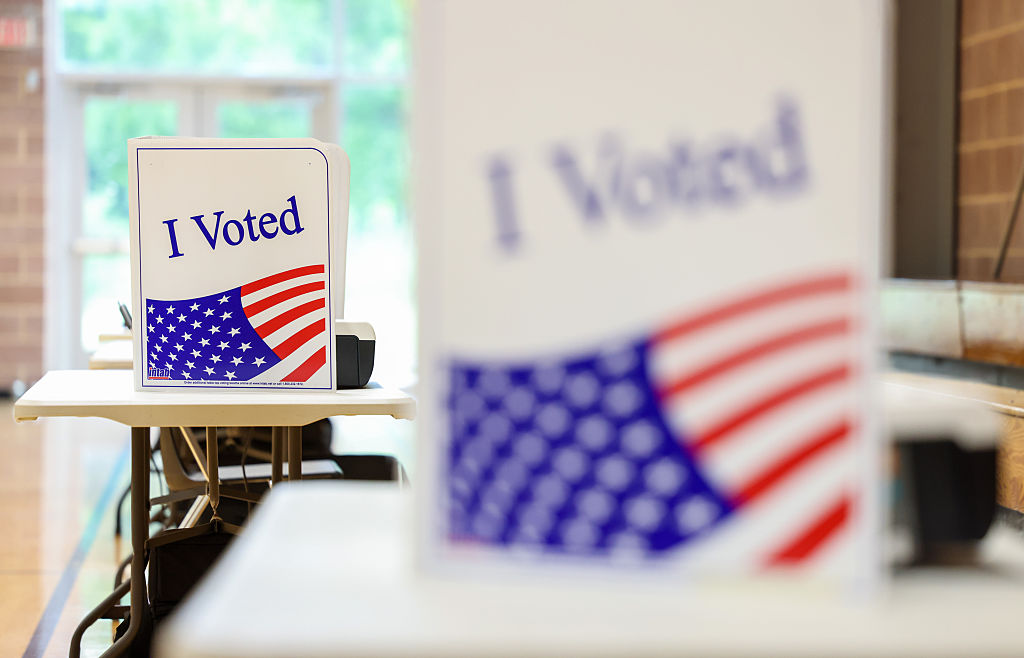
The humidity in South Carolina during election season does not merely sit on your skin; it settles in your chest. It is heavy, thick with the scent of pine and exhaust, and it forces you to slow down whether you want to or not. Walk down Main Street in any town between Spartanburg and Beaufort, and you will feel the same quiet tension humming beneath the surface. People are not just waiting for autumn. They are waiting to see who will hold the lever of power that has belonged to Lindsey Graham for more than two decades.
Power in the American South is rarely loud. It is passed over sweet tea on shaded porches, whispered in church parking lots, and negotiated in the quiet corners of county committee rooms. For twenty-two years, Senator Lindsey Graham has been the fixture against which South Carolina politics measured itself. He is a survivor of political eras, shifting from the reform-minded counsel of the Judiciary Committee to a modern figure caught in the friction of shifting national parties. But time moves, even in the Lowcountry. And the question of who comes next is no longer a distant abstraction for a future decade. It is here. For another view, consider: this related article.
Consider the ordinary voter. Let us call him Marcus. Marcus runs a three-generation hardware store in a town where the textile mills closed thirty years ago and never came back. He knows every bolt in aisle four, but he does not know who will represent his grandchildren in Washington five years from now. He only knows that the roads are crumbling, the cost of timber keeps climbing, and the people shouting on his television screen look less and less like anyone he would trust to fix a broken pipe.
Marcus represents the vast, weary middle of the electorate. They are watching a political theater unfold where the actors have changed their lines so many times that nobody remembers the script. Similar reporting regarding this has been provided by NBC News.
To understand who might succeed Graham, you have to look past the campaign logos and the polished headshots. You have to look at the fault lines dividing the state.
South Carolina is not a monolith. It is a collision of worlds. There is the booming, cosmopolitan pulse of Charleston, where old money meets tech startups and transplants from the Northeast. There is the Upstate, an evangelical engine of conservative purists who view compromise as a moral failing. There is the Midlands, anchored by state bureaucrats and university professors. And there is the corridor of the Interstate 95 region, known historically as the Corridor of Shame, where rural poverty persists beneath the Spanish moss.
Anyone wishing to claim Graham’s seat must perform an impossible geometry. They must appeal to the voters who want a bomb-thrower in Washington to fight the culture wars, while simultaneously convincing the business owners in Greenville that the water treatment plant will keep working.
The lineup of candidates stepping forward into this arena is as varied as the geography itself.
There are the insurgents. These are the challengers who look at Graham's long tenure not as a pedigree, but as an expiration date. They arrive armed with social media followings, populist talking points, and a deep, burning grievance against institutional norms. They speak the language of disruption. They tell voters that the system is not just broken; it was designed to keep them down. In a state where anti-establishment sentiment runs hot, this message finds ready listeners.
Then there are the establishment heirs. These are the figures who have spent years climbing the local ladder—state representatives, former prosecutors, business leaders who know how to work a rotary phone and a donor database with equal dexterity. They wear sensible shoes and talk about tax incentives and judicial appointments. They argue that experience is not a liability, but the only tool sharp enough to cut through Washington gridlock.
And finally, there are the voices from the other side of the aisle, watching from the wings. South Carolina has not elected a Democrat to the U.S. Senate since Ernest Hollings stepped down in 2005. That is a generation of political drought. Yet, the Democratic challengers who step up do not run on national platforms; they run on local bread-and-butter issues. They talk about healthcare deserts in Allendale County. They talk about teacher pay scales that rank near the bottom of the nation. They know the math is brutal, but they also know that demographic shifts in places like York and Charleston are slowly redrawing the map.
Politics is arithmetic, but it is felt as poetry.
When you look at the candidates vying for this seat, you are looking at a referendum on identity. Does South Carolina want to remain the anchor of traditional Southern conservatism, or is it ready to embrace the turbulent, high-octane populism defining the national party? Or, against all historical odds, is there a crack in the foundation wide enough for a different kind of voice to slip through?
The air cools down around seven in the evening, even in August. The crickets start up in the high grass behind the hardware store. Marcus turns the deadbolt on the front door, flipping the sign from open to closed. He leaves the porch light on, casting a yellow glow across the concrete steps.
Inside Washington, millions of dollars are already pooling in super PAC accounts, waiting to be unleashed on television screens across the Palmetto State. Consultants are sharpening their talking points. Pollsters are running cross-tabs on voter anxiety.
Marcus does not know about the cross-tabs. He only knows that when he wakes up tomorrow, the sun will rise over the same old streets, and the choice of who speaks for him will still be waiting at the bottom of a ballot, heavy as lead.