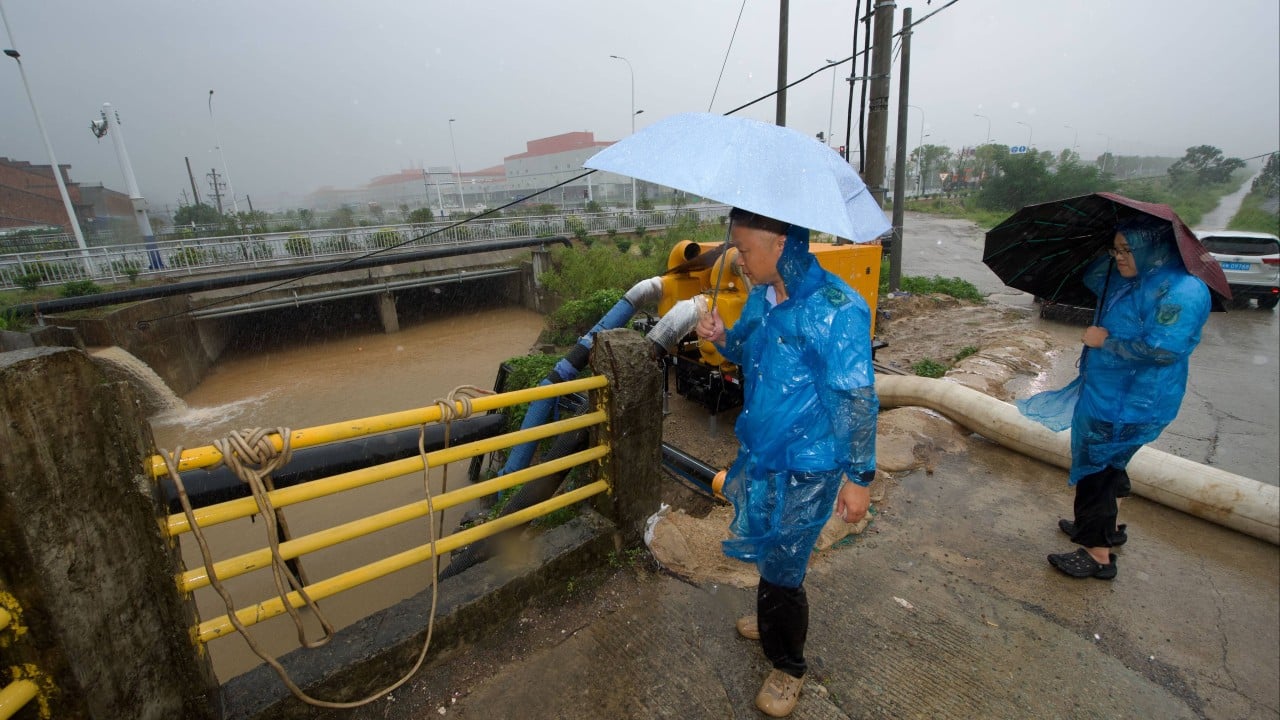
Rain in the provinces does not fall with polite warning. It arrives like an iron sheet dropped from the sky, turning red clay into soup and swallowing the low roads before a farmer can unhitch his plow.
I remember the smell of it. Wet lime, bruised earth, and the metallic tang of rising water touching the electrical wiring of a village house. When the riverbanks give way, the math changes instantly. Statistics become useless. You do not count the millimeters of precipitation falling per hour. You count the floorboards. One board dry. Two boards dry. The third board gone. Recently making headlines lately: The Bitter Brew That Masked a Million Dollar Lie.
At a distance of a thousand miles, across the concrete spine of Hong Kong’s financial towers, the storm looks like a weather report on a morning screen. A graphic. A blue-and-red radar loop spinning over mainland fields. But wealth has a long reach, and sometimes, it has a long memory, too.
Behind the glass of Central district boardrooms, men who built fortunes on steel, shipping, and real estate watched the floodwaters churn. These are names familiar to the stock exchange tables—tycoons whose corporate foundations usually fund universities, hospital wings, and cultural galleries. Yet, when the dikes breached, the philanthropic machinery shifted gears with astonishing speed. More insights regarding the matter are explored by The Washington Post.
Thirty million yuan.
That was the figure stamped onto the wire transfers dispatched by Hong Kong business empires and their private foundations. Thirty million yuan moving quietly through electronic ledgers to shore up emergency relief in disaster-stricken mainland regions.
To an accountant, it is a line item. To a family huddled on a schoolhouse roof with a single plastic bag of dry rice, it is the difference between despair and a warm bowl of broth twenty-four hours later.
Money is an abstract thing until it buys plywood.
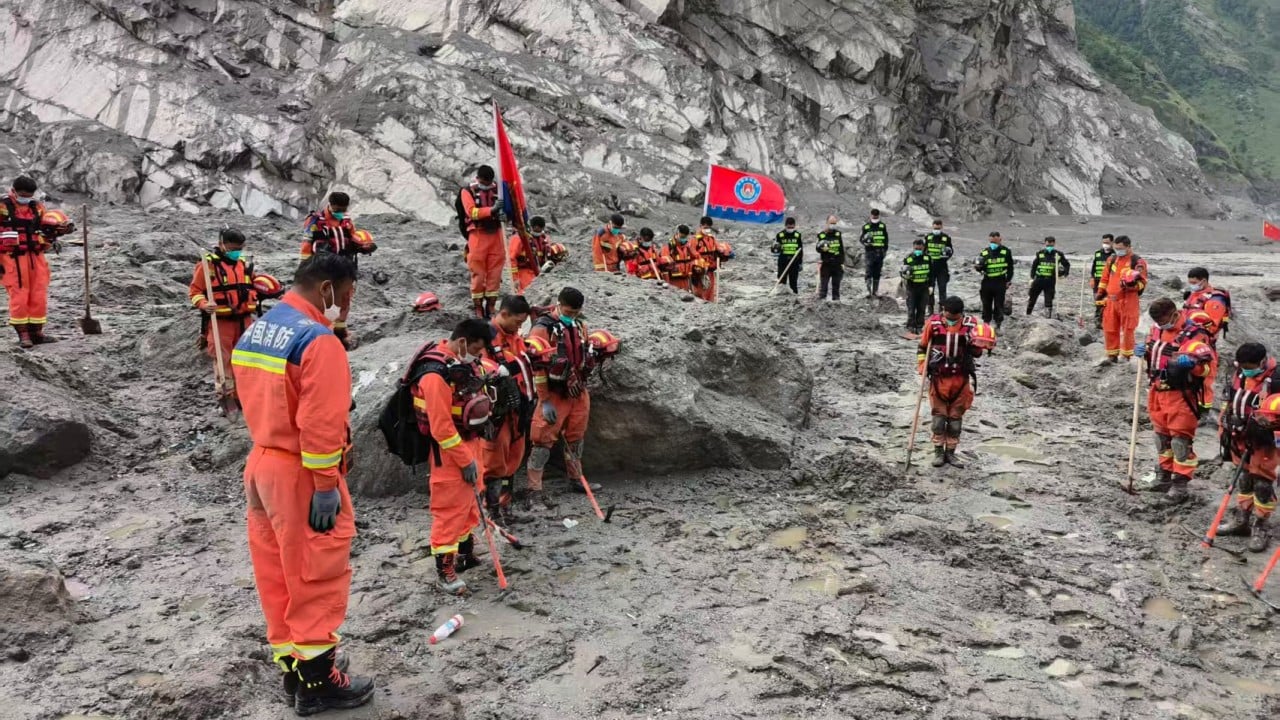
Consider what happens next in a disaster zone after the cameras leave. The dramatic rescue boats retreat. The helicopters stop beating the heavy air. What remains is the slow, grinding misery of mud. Silt cakes the interior walls of homes. Wells are fouled with runoff. Livestock is bloated in the orchards. This is where the tycoons' checks actually land—not in the dramatic splash of the initial break, but in the dull, expensive labor of recovery.
Critics often look at corporate philanthropy with a squinted eye. They search for the marketing angle, the tax shelter, the polished PR release designed to soften the edges of massive capital accumulation. And sometimes, they are right to look. Power protects itself. Wealth begets influence.
However, looking only at the ledger misses the human pulse of the transaction. Behind those foundations are people—some aging patriarchs looking at their ancestral provinces, others corporate executives recognizing that a stable society is the only foundation upon which an empire can stand. When the water rises high enough, it does not care about your political affiliation or your market share. It simply drowns the harvest.
The tycoons know this. Their fortunes were built on cycles of expansion and contraction, but they understand a fundamental law of human geography: you cannot hoard wealth in a vacuum while the surrounding countryside starves.
Relief funds do not arrive as bags of cash dropped from the sky. They move through trusted distribution networks, channeled into drinking water purification systems, heavy excavation equipment to clear blocked mountain passes, and temporary shelters outfitted with generators and medicine. Thirty million yuan buys a lot of silence for a mother rocking a feverish child in a gymnasium floor mattress.
We talk about wealth in terms of billions. We measure billionaires by the length of their yachts or the height of their downtown towers. But wealth is truly tested by its elasticity. Can it stretch downward? Can it touch the mud?
When the Hong Kong business community pooled their resources for this recent flood response, they were engaging in an ancient social contract. It is an understanding that has kept dynasties intact for centuries across the South China Sea. If you hold the umbrella, you are expected to share the shelter when the storm breaks the ribs of the house.
The rain has stopped now in the affected counties. The sun is out, baking the thick gray mud into a crust that cracks like old porcelain. People are shoveling. Always shoveling.
Miles away, the trading floors hum with new data, and the market tickers flash green and red. But somewhere in a rebuilt village, an old man is drawing clean water from a newly repaired well, paid for by a foundation he will never visit, created by a man he will never meet. The water is cold. It tastes faintly of iron. And it is enough to start over.