The cockpit of a modern aircraft is not a place of glamour. It is a suffocating cathedral of gauges, toggle switches, and the relentless, mechanical whine of turbines fighting an invisible ocean of air. Up there, poetry dies quickly. Mathematics takes its place. Every vector, every degree of pitch, every fraction of a second carved out of a descent dictates whether a human being returns to the soil or becomes a permanent fixture of it.
Imagine sitting in that seat not as an abstract hero of a morning headline, but as someone whose shoulders are burning from G-force, whose palms are slick against the grip, and whose mind is suddenly stripped of every extraneous thought except one: Fix it.
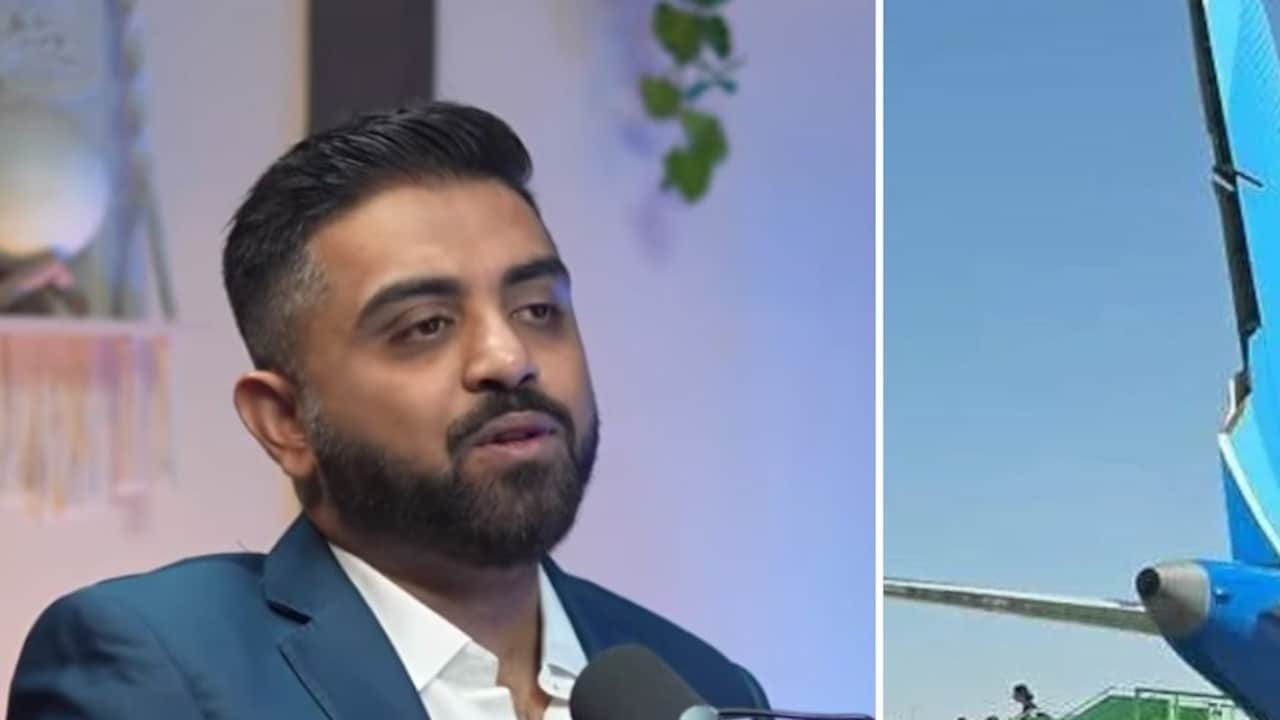
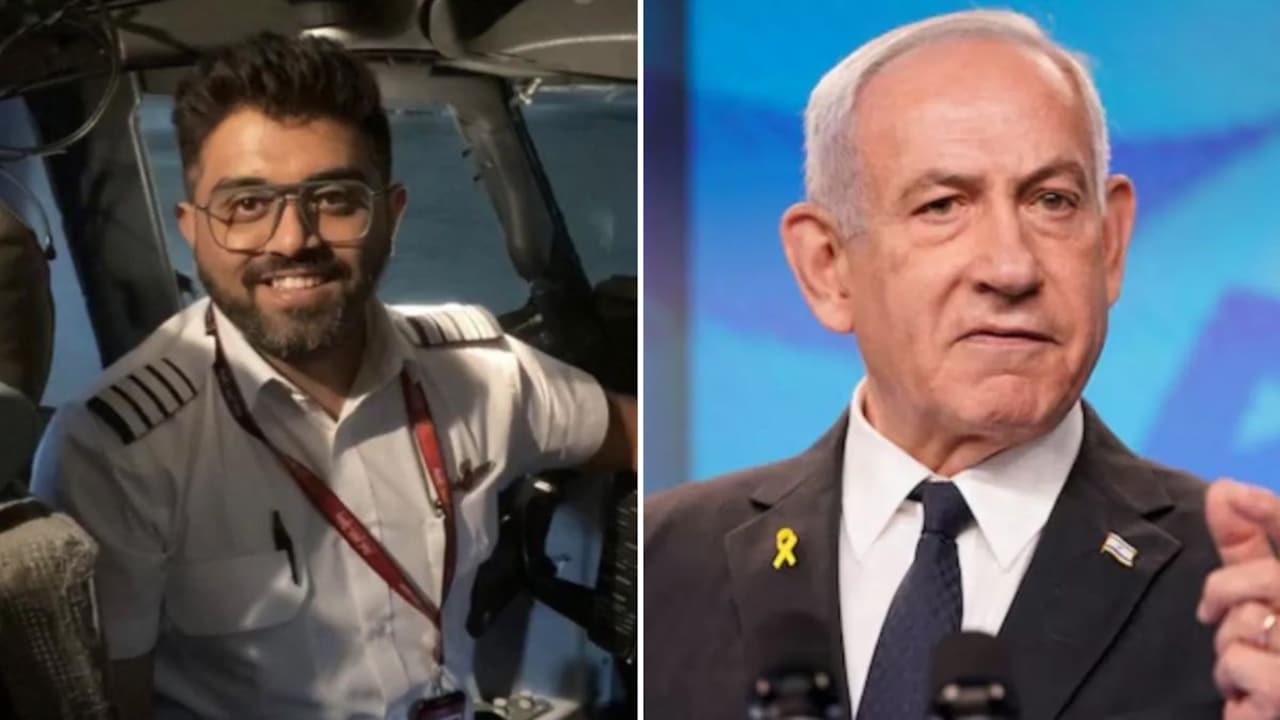
This is where the story of Smit Machchhar begins. Not in the polished halls of diplomatic handshakes or beneath the flashing cameras of international press conferences, but in the raw, unscripted theater of the upper atmosphere where physics offers no second chances.
The Anatomy of a Split Second
We romanticize bravery as a loud, cinematic explosion of adrenaline. We picture men and women charging into fire with teeth bared, shouting defiance at the void. Real courage is almost agonizingly quiet.
When a pilot encounters an emergency at high speed, time does not necessarily slow down; it compresses. It collapses into a dense, hard nugget of raw choice. In that narrow corridor, hesitation is fatal. Panic is a luxury reserved for spectators on the ground.
Consider what happens inside the human body when things go catastrophically wrong thousands of feet above the earth. Cortisol floods the bloodstream. Peripheral vision tunnels. The auditory cortex dampens out everything except the frantic screaming of warning klaxons. In that suffocating bubble of sensory overload, muscle memory—forged through years of grueling, monotonous repetition—must override human instinct.
Instinct tells you to pull back when you are falling. Experience tells you that pulling back too hard will snap the wings clean off.
Smit Machchhar’s encounter with crisis was defined by this exact razor-edge calibration. When the unexpected arrived—unannounced, violent, and utterly indifferent to human plans—there was no time for theatrical speeches. There was only the cold, hard geometry of survival. Every movement of the flight stick was an argument against gravity, a stubborn refusal to yield the sky to disaster.
To understand why a moment like this resonates across continents, we have to look past the uniform and examine the profound vulnerability beneath it. A pilot is never truly alone in the air, yet they are entirely isolated when the crisis hits. No committee can vote on your altitude. No mentor can reach across the cabin to steady your hand. You are the final authority, the last line of defense between a functioning machine and a falling star.
The Echo Across Borders
News travels fast in our modern age, flickering across glowing screens in fragmented bursts of digital noise. Headlines are manufactured, consumed, and discarded within hours. Yet, every so often, a story punches through the static because it taps into a universal human current.
When international figures of prominence take notice of localized valor, it is rarely just about politics. It is about recognition. It is an acknowledgment that the language of competence and self-sacrifice requires no translation.
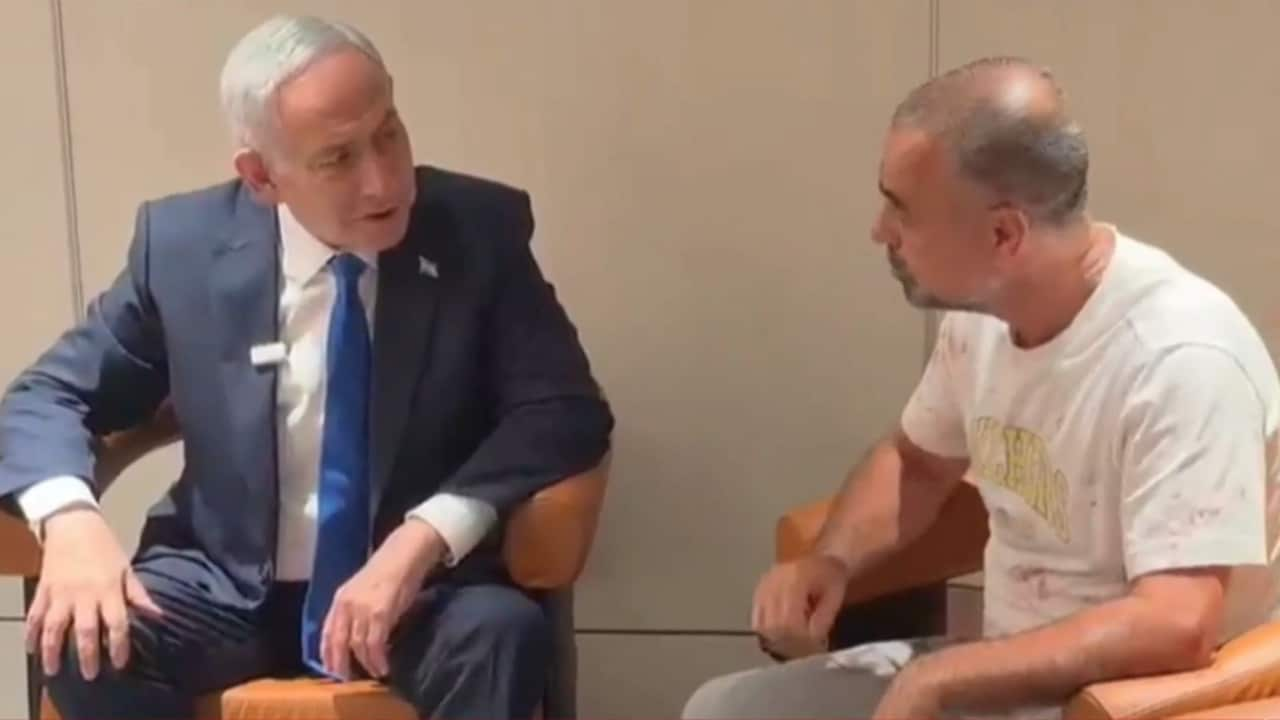
Benjamin Netanyahu’s public salute to an Indian pilot struck a chord precisely because it bridged two very different worlds through a shared understanding of peril. In regions where security is not an academic debate but a daily, breath-by-breath reality, the appreciation for those who hold the line is fierce and uncompromising.
Diplomacy is often conducted in whispers, behind closed doors, wrapped in the guarded syntax of treaties and trade agreements. But raw courage? Raw courage is loud. It demands to be seen. It cuts through the thickest fog of geopolitical friction because heroism is an antidote to cynicism. When you watch someone stare down disaster and master it through sheer discipline, it reminds you of what human beings are capable of when they refuse to break.
We live in an era saturated with manufactured outrage and superficial triumphs. We celebrate influencers for viral dances and tech founders for optimizing ad revenue. We have grown desperately hungry for substance. We crave stories that remind us that somewhere out there, people are still doing hard, dangerous, vital things with quiet dignity.
The Quiet Aftermath
What happens to a person after the adrenaline drains away?
On television, the hero walks away in slow motion against a backdrop of fading smoke, a triumphant score swelling in the background. In reality, the aftermath of a near-disaster is profoundly anticlimactic.
The engine is shut down. The checklist is completed with trembling fingers. The flight suit is unzipped, revealing a shirt soaked through with cold sweat. You walk back across the tarmac, the concrete solid and reassuring beneath your boots, and the world is inexplicably going about its business. Cars are driving past the perimeter fence. Birds are cutting lazy circles through the afternoon haze. Nobody on the street knows that ten minutes ago, you were walking the tightrope between life and oblivion.
That is the hidden tax of extraordinary moments. They leave no permanent mark on the landscape, only on the architecture of the mind.
For someone like Machchhar, the uniform remains the same the next morning. The briefing room smells the same of stale coffee and printer ink. The pre-flight checks are just as meticulous. The sky is just as vast, and just as indifferent. The only difference is an invisible shift in gravity—the quiet knowledge that when the test came, the preparation held.
We often search for heroes in mythology or history books, casting them as ancient statues immune to fear or doubt. That is a comforting fiction. Real heroes are ordinary people who have trained themselves to function extraordinarily well while their hearts are hammering against their ribs. They are men and women who look at a crisis, recognize its terrifying magnitude, and simply decide that today is not the day they give up.
The Unending Horizon
The sky does not care who you are. It offers no special treatment to the brave, nor does it spare the cautious. It is an immense, beautiful, unforgiving wilderness that demands absolute respect.
Every time a pilot pushes the throttle forward and lifts off into the blue, they are engaging in an ancient human bargain. They are trading the absolute safety of the earth for the fleeting, exhilarating dominion of the air. They accept the risk as part of the price of admission.
When we read about acts of exceptional composure under fire, we are not just consuming an interesting anecdote. We are catching a glimpse of our own potential. We are reminded that inside every routine life, beneath the administrative drudgery and the endless scroll of digital distractions, lies the capacity for iron resolve.
The machines we build grow more complex by the day, automated and computerized to the point where human intervention seems almost optional. Yet, when the systems fail—when the sensors go blind and the alarms turn the cabin into a cacophony of terror—the microchip steps aside. The screen goes dark.
And the human hand reaches out to take the controls.
That hand is steady. It has to be. Because out there, where the air thins and the curvature of the earth becomes visible to the naked eye, nobody else is coming to save you. You are the architect of your own survival, carving a safe passage through the wind one calculated decision at a time, until the wheels finally touch the tarmac and the silence returns, absolute and profound.