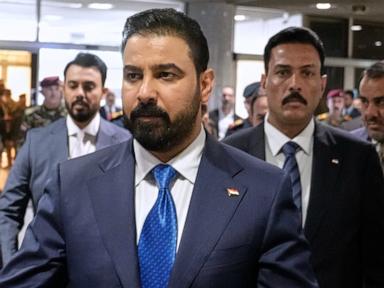
The mainstream media is falling over itself to paint the latest Washington summit as a diplomatic masterclass. They see a red carpet rolled out for the new Iraqi Prime Minister, Ali al-Zaidi, and they report on a "new era of cooperation." They spin tales of stabilized energy markets and strategic triumphs.
It is a comforting narrative. It is also entirely wrong.
I have spent nearly two decades analyzing Middle Eastern geopolitical risk, watching billions of dollars in foreign investment dissolve into the ether of Baghdad’s bureaucracy. I can tell you exactly what this photo-op really represents. It is not a triumph. It is a desperate, short-sighted gamble that ignores the hard, structural realities of Iraqi politics and global energy.
When Washington rolls out the welcome mat, it is usually because they are out of actual options.
The Myth of the "Reformist" Prime Minister
The lazy consensus dominating current coverage suggests that Ali al-Zaidi is the technocratic savior Iraq has been waiting for. The press loves a "reformist." It makes for an easy headline. But anyone who has actually negotiated contracts on the ground in Baghdad knows that Iraqi prime ministers do not operate in a vacuum.
The Muhasasa System Always Wins
Iraq’s political architecture is governed by the muhasasa ta'ifia—the sectarian apportionment system established after 2003.
- The Reality of Power: No prime minister, regardless of their personal intentions or Western backing, can bypass this system.
- The Patronage Network: Ministries are not run by technocrats; they are treated as cash cows for political factions.
- The Veto Power: The moment a prime minister attempts genuine structural reform, the factions threaten to paralyze the government.
To believe Zaidi can single-handedly pivot Iraq toward a transparent, Western-aligned market economy is to misunderstand how power is wielded in the country. He is a mediator, not a monarch. He can only move as fast as the most powerful armed factions in Baghdad allow him to.
The Energy Lie: Why Iraqi Gas Won't Save the West
A major talking point surrounding this visit is Iraq's potential to displace regional adversaries in the energy market. We are told that capturing flared natural gas and boosting crude production will secure Western energy independence.
This is a fundamental misunderstanding of energy infrastructure.
[Western Expectations] ---> [Rapid Iraqi Gas Capture] ---> [Energy Security]
                                      vs.
[The Reality]            ---> [Decades of Underinvestment] ---> [Sovereign Debt & Delays]
Let's look at the actual numbers. Iraq still flares massive amounts of associated gas—precious energy literally burned into the sky because the country lacks the gathering and processing infrastructure. While major deals with global energy conglomerates look impressive on paper, the execution timeline is a disaster.
I have watched major multinational energy firms commit billions to Iraqi projects, only to see those projects stall for years due to regulatory paralysis, payment delays from the state treasury, and security threats.
If you are betting on Iraqi gas to stabilize global markets anytime soon, you are setting your capital on fire. The infrastructure deficit is too wide, the bureaucracy is too dense, and the political risk is too high.
The Illusion of Sovereignty and the Dual-Track Dilemma
The fundamental flaw in Washington’s strategy is the assumption that Iraq can be easily decoupled from its neighbors.
While the White House smiles for the cameras, the reality on the ground in Baghdad is a dual-track system. Iraq cannot simply shut its borders or its trade pipelines.
The Interdependency Reality
- Electricity: Iraq relies heavily on neighboring imports to keep its national grid from collapsing, especially during the brutal summer months.
- Financial Flows: The Iraqi banking sector is under constant scrutiny. Washington’s attempts to restrict the flow of dollars out of Baghdad have repeatedly triggered currency devaluations, sparking domestic anger.
- Security: The security apparatus is highly fragmented. Formal state forces exist alongside powerful paramilitary groups that do not take orders from the prime minister's office.
By forcing Baghdad to make an absolute choice, Washington is not strengthening Zaidi; they are setting him up to fail.
The Brutal Truth About Foreign Direct Investment
If you are a corporate executive or an institutional investor reading the glowing reports about this White House meeting and thinking it is time to deploy capital into Iraq, stop.
The premise that diplomatic handshakes translate to investment security is a dangerous myth.
"Diplomatic alignment is not a substitute for contract enforcement."
I have advised firms that entered the Iraqi market on the back of similar diplomatic breakthroughs in the past. What they found was not a welcoming market, but a legal minefield.
- Judicial Instability: Commercial disputes are rarely settled in impartial courts. If a foreign investor clashes with a well-connected local partner, the foreign investor loses. Every single time.
- Regulatory Whiplash: Regulations change with every shift in ministerial leadership. A permit granted today can be arbitrarily revoked tomorrow.
- Sovereign Payment Risk: The Iraqi state budget is highly vulnerable to oil price volatility. When prices dip, foreign contractors are the first to stop getting paid.
If you must invest, do so with your eyes wide open. Do not rely on bilateral treaties or political promises. Structure your joint ventures with ironclad international arbitration clauses, keep your local footprint lean, and price in a political risk premium that would make a traditional CFO faint.
What the Pundits Get Wrong About Security Cooperation
The "People Also Ask" columns are filled with queries about whether this visit marks a permanent stabilization of the security environment in Iraq. The standard consensus is that continued joint training and strategic frameworks will neutralize threats to commerce.
This is wishful thinking.
The security threats to business operations in Iraq are no longer just about territorial control; they are about asymmetric leverage. Paramilitary factions do not need to capture territory to disrupt your business. They can do it with a single drone strike on an export terminal, a localized protest at a facility gate, or a well-placed bureaucrat holding up an import customs clearance.
Washington cannot protect your assets on the ground in Basra or Erbil. Relying on a strategic framework agreement to secure a supply chain is like using a press release as a bulletproof vest.
Stop Applauding the Photo-Op
We need to stop evaluating foreign policy by the warmth of a White House welcome.
Ali al-Zaidi’s visit to Washington is a theater of convenience. The White House needs a foreign policy win to project stability, and Zaidi needs the prestige of a Washington visit to bolster his domestic standing against hardline rivals in Baghdad.
But once the cameras are packed away and the delegates board their flights back to Baghdad, the structural reality remains unchanged. Iraq remains a deeply fragmented state, bound by a dysfunctional political system, heavily dependent on volatile oil revenues, and caught in an inescapable geographic reality.
No amount of red carpet can cover those cracks. Stop buying the hype, stop trusting the technocratic illusions, and start looking at the actual balance of power on the ground.