The football media complex loves a good fairytale. On Wednesday, June 24, they served up a three-course meal of pure, unadulterated nostalgia and lazy analysis.
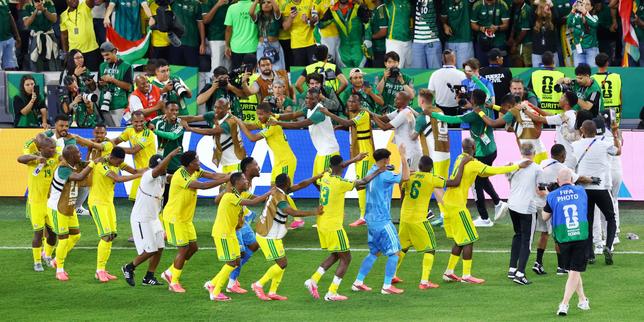
South Africa qualified for the knockout rounds, and the pundits cried "miracle." Neymar stepped back onto the pitch, and the broadcasters acted like football had been saved. Guillermo Ochoa suited up for another swansong, and everyone drowned in sentimentality.
It is all a mirage.
If you are celebrating the narrative coming out of yesterday’s World Cup matches, you are buying into a product designed to sell jerseys, not analyze elite-level sport. Let’s strip away the romance and look at what actually happened on June 24, 2026.
South Africa’s Qualification is a Symptom of a Diluted Tournament
The mainstream press is hailing Bafana Bafana’s progression as a triumph against the odds. It makes for a heartwarming headline. The truth is far colder.
We are witnessing the inevitable consequence of a bloated 48-team tournament. When you expand the grid, you lower the bar. Qualifying for the knockout phases in 2026 does not mean what it did in 2022, 1998, or 1990.
I have watched football federations pour millions into tactical overhauls only to realize that under the current expansion system, mediocrity is rewarded. You no longer need to be elite to advance; you just need to avoid being utterly catastrophic.
- The Math: Expanding to 48 teams introduced a clunky system where third-place teams slide through the cracks.
- The Reality: The group stage has been stripped of its jeopardy. South Africa's progression is less about tactical genius and more about surviving a diluted field.
- The Cost: By celebrating these bloated milestones, we are lowering our expectations of what international football should be.
South Africa played disciplined football, yes. But let’s stop pretending this is the class of 2010 or a historic footballing renaissance. They took advantage of a system designed to keep the television screens buzzing with as many fanbases as possible for as long as possible.
The Neymar Fetishism is Blind to Modern Tactics
Neymar is back. The crowd popped. The internet broke.
And Brazil’s tactical structure cracked right down the middle.
The modern game at the absolute highest level—think of the tactical setups favored by managers like Pep Guardiola or tactical trends dominating the Champions League—demands eleven active defenders. The moment the ball is lost, the high press must be a synchronized, suffocating machine.
Neymar, even in his prime, was a luxury item in a defensive block. In 2026, after years of accumulated injuries and a career spent away from the intense weekly grind of European club football, he is a tactical liability against elite transition teams.
"Neymar's return is a commercial victory and a tactical step backward for a Brazilian side that needs rhythm, not a focal point that grinds possessions to a halt."
When he enters the pitch, the entire ecosystem shifts. Players stop occupying space naturally and start searching for the talisman. The passing lanes become predictable. The tempo slows down to a crawl. Brazil looked dazzling in flashes on Wednesday because individual brilliance is intoxicating. But individual brilliance does not win seven-game tournaments anymore. Structure does.
If Brazil wants to lift the trophy, their coaching staff needs the courage to treat Neymar as an impact sub, a fifteen-minute chaotic element, rather than the axis around which the entire nation revolves. But they won’t do it. The brand pressure is too immense.
Guillermo Ochoa and the Danger of Sentimental Selection
Guillermo Ochoa’s continued presence in the Mexican national team is being framed as an inspiring testament to longevity. "The eternal El Tri anchor," they call him.
It is actually an indictment of Mexico's youth development and a glaring example of sentimental selection hurting a squad's ceiling.
International football should be a meritocracy based on current, elite-level output, not a lifetime achievement award. Every minute a 40-year-old goalkeeper spends on the pitch is a minute stolen from the next generation of talent that needs to bleed in the pressure cooker of a World Cup.
The True Cost of Legacy Selections
| Metric | Sentimental Choice (Ochoa) | The Modern Alternative |
|---|---|---|
| Cross Claiming | Passive, stays on the line | Proactive, commands the box |
| Sweeper-Keeper Capability | Limited mobility, deep defensive line | High starting position, compresses pitch |
| Distribution Speed | Traditional, slow resetting | Rapid, initiates counter-attacks |
By keeping Ochoa under the crossbar, Mexico is forced to drop their defensive line five to ten yards deeper than the world’s elite teams. You cannot compress the pitch when your goalkeeper is tethered to his goal line due to declining physical metrics.
It is comfortable for the fans. It sells the nostalgia of past tournaments. But it sets a hard ceiling on how far the team can go. On Wednesday, we saw the limits of that approach. A sharper, more athletic frontline would have punished the space created by Mexico’s deep-set defensive block.
Dismantling the "People Also Ask" Consensus
The football public is asking the wrong questions because the media feeds them flawed premises. Let's fix that.
Is South Africa a dark horse for the quarter-finals?
Absolutely not. To reach the quarter-finals in this expanded format, you have to survive an extra knockout round against teams that have cruised through the group stages without breaking a sweat. South Africa’s squad depth is thin. The physical toll of the group stage will manifest in the next round. Stop setting them up for an inevitable fall by projecting unrealistic expectations.
Does Neymar make Brazil the tournament favorites?
He makes them the most watched team, not the most efficient one. The favorites remain the European blocks that prioritize collective pressing and physical dominance in transitions. Brazil with Neymar is a spectacular entertainment product. Brazil without the tactical burden of catering to an aging superstar is a far more dangerous football team.
Should legacy players be kept for their dressing room presence?
Yes, as coaches or non-playing squad members. The moment you give up a spot on the 26-man roster or a place in the starting eleven for "vibes" and "leadership," you have conceded that you care more about mythology than winning football matches.
The media will continue to sell you the romance of June 24. They want you to buy the narrative of the plucky underdog, the returning king, and the ageless warrior.
But football matches are won in the half-spaces, through physical metrics, and by exploiting tactical structural flaws. If you want to understand where this tournament is actually going, stop looking at the names on the back of the jerseys and start looking at the space they are failing to defend.
Stop buying the fairytale. Start watching the game.