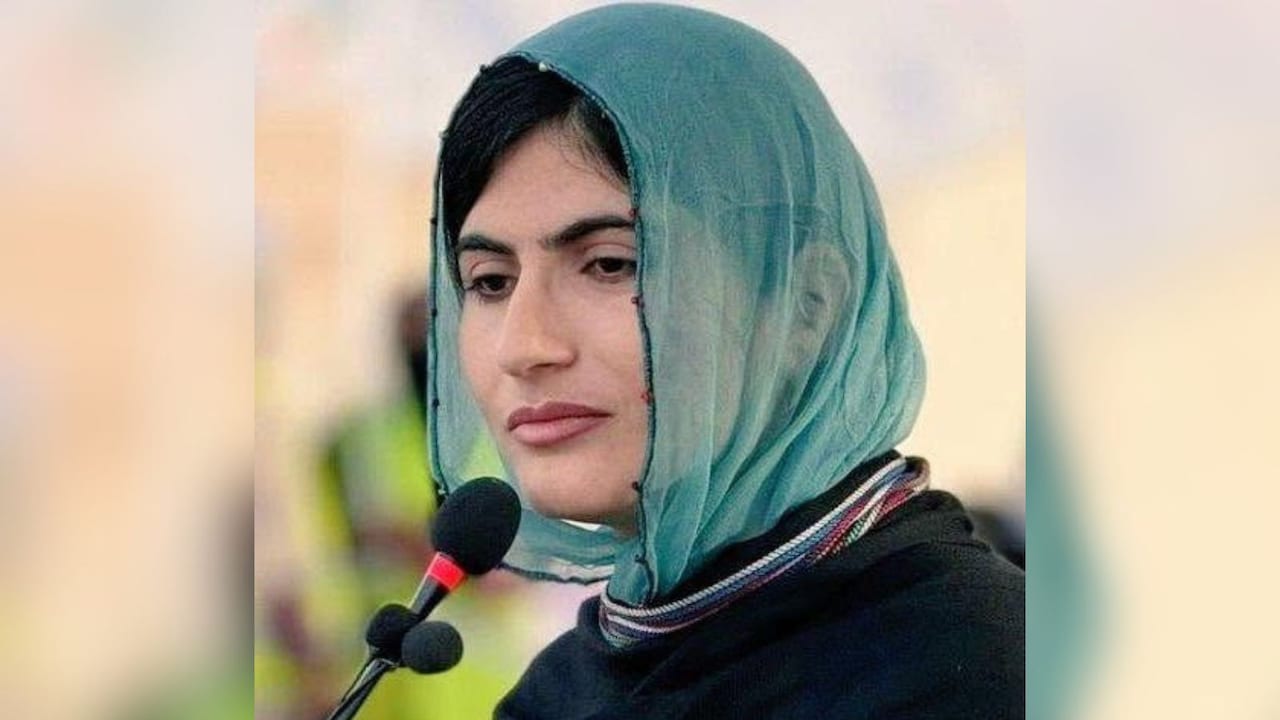
Imagine your father goes to work, and he never comes back. No phone call. No ransom demand. No police report. Just absolute, terrifying emptiness. For thousands of families in Balochistan, this nightmare is everyday life. A recent open letter from a Baloch activist has brought this crisis back into the global spotlight, marking an agonizing 17 years of silence.
The issue of forced disappearances in Pakistan isn't new, but the sheer scale of the systemic crackdown has reached a boiling point. Activists who speak out aren't just facing threats anymore. They're being handed life sentences in anti-terrorism courts. If you want to understand why a resource-rich province is filled with so much grief and anger, you have to look at what's happening to its people. In similar news, take a look at: Why the Ras Tanura Aramco Crash is Shaking the Energy Sector.
The Real Cost of Speaking Out
Pakistan's southwestern province of Balochistan is the country's largest but poorest region. It sits on massive reserves of gas and minerals, yet the local population sees almost none of that wealth. Instead, they get military checkpoints and missing relatives.
Activists like Mahrang Baloch, a prominent leader of the Baloch Yakjehti Committee (BYC), have tried to use peaceful protests to demand answers. Her own journey started when her father, Abdul Ghaffar Langove, was taken in 2009. His body was found two years later. Recently, Mahrang herself was sentenced to life imprisonment on charges that rights groups call completely fabricated. BBC News has analyzed this critical subject in extensive detail.
When peaceful dissent is treated as a major security threat, it leaves no room for regular political discussion. Families are left holding up photos of their brothers, fathers, and sons in the heat, year after year, hoping for any scrap of news.
What the Numbers Actually Tell Us
The Pakistani state often downplays these accusations. They blame tribal feuds or armed insurgencies for the missing individuals. But the data gathered by independent watchdogs tells a very different story.
- The Pakistan Commission of Inquiry on Enforced Disappearances (COIED) itself has recorded over 10,078 cases.
- Human Rights Watch noted 8,463 documented cases of missing persons between 2011 and early 2024.
- The Human Rights Commission of Pakistan has repeatedly criticized the state for treating fundamental rights advocacy as extremism.
The legal system isn't providing a safety net. Instead, anti-terrorism courts are being utilized to lock away peaceful campaigners. This tactic doesn't just silence the individual activist. It terrifies the families who are still trying to find their loved ones.
The Human Toll Behind the Statistics
We aren't just talking about numbers on a spreadsheet. We're talking about real people like Dr. Deen Mohammad Baloch, a physician who was taken from his hospital shift in 2009. His daughter, Sammi Deen Baloch, has spent over a decade marching through cities, demanding a simple trial if her father committed a crime.
"If you think someone broke the law, put them in front of a judge. Keeping them in a secret cell for decades isn't justice. It's state-sponsored terror."
When someone is forcibly disappeared, their family enters a permanent state of psychological limbo. They can't mourn because they don't know if the person is dead. They can't move on because there's a tiny sliver of hope that they might walk through the front door tomorrow.
Why This Should Matter to Everyone
This issue has spilled outside the borders of Balochistan. The exact same methods of extrajudicial detention and heavy-handed crackdowns are now showing up in other provinces, targeting journalists, students, and political opposition leaders in major cities like Lahore and Islamabad.
International bodies like Amnesty International have consistently called on Pakistan to stop these arbitrary detentions. Yet, foreign governments often look the away because they rely on Pakistan for regional security cooperation. This silence makes the international community complicit in the crisis.
If you care about human rights, you can't pick and choose which regions deserve protection. Raise awareness by sharing verified reports from organizations like the Human Rights Commission of Pakistan. Push for international transparency. Pressure global leaders to tie foreign aid to measurable human rights compliance. The families of the missing have been screaming into the void for 17 years, and it's time the world started listening.