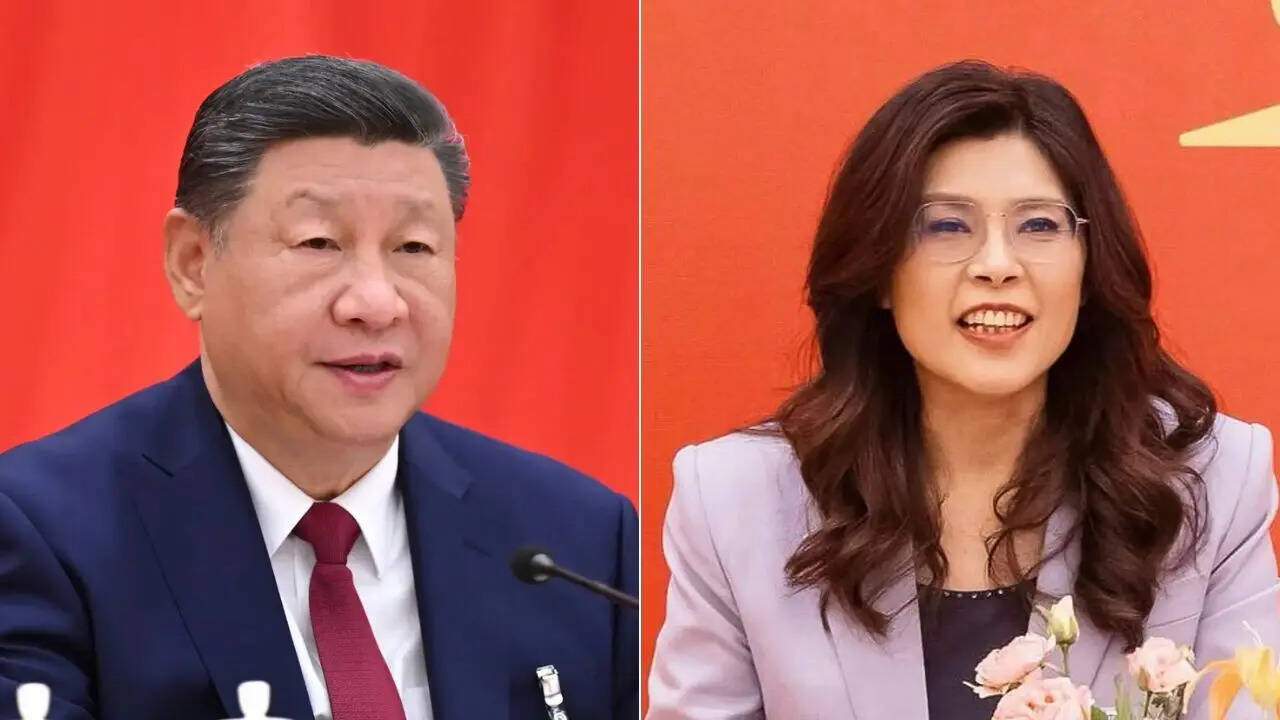
When Xi Jinping and Ma Ying-jeou stepped into the East Hall of the Great Hall of the People in Beijing, the 20-second handshake wasn't just a photo op. It was a calculated signal. This meeting marks the first time a former Taiwanese president has been received by China’s top leader in the capital since the civil war split the two sides in 1949.
I've watched cross-strait relations swing from open hostility to cautious trade and back again. Most analysts focus on the military drills or the "red lines," but they often miss the subtle theater of meetings like this. This isn't about immediate policy change. It's about optics, legacy, and a very specific message to the current administration in Taipei.
The Theater of Respect in Beijing
China doesn't do anything by accident when it comes to protocol. Xi Jinping addressed Ma as "Mr. Ma Ying-jeou" rather than "President." This might seem like a snub, but in the world of cross-strait diplomacy, it’s actually a bridge. By using "Mr.," both sides sidestep the thorny issue of official state recognition while still acknowledging each other's status.
Ma responded in kind, addressing Xi as "General Secretary." It’s a dance they’ve done before, notably during their historic 2015 summit in Singapore. Back then, Ma was the sitting president. Today, he’s a private citizen, which gives Beijing even more room to play the "gracious host" card without appearing to validate Taiwan’s sovereignty.
What Xi Is Really Selling
Xi’s rhetoric during the meeting was heavy on the "one family" narrative. He mentioned that "compatriots on both sides are all Chinese" and that no force can divide them. This is the soft-power version of Beijing's stance. While the People’s Liberation Army (PLA) continues to fly jets near Taiwan’s airspace, Xi is using Ma to show the world—and the Taiwanese public—that peace is possible. But there’s a catch: it’s only possible under Beijing’s "One China" framework.
For Xi, Ma represents the "good" version of Taiwan. The one that accepts the 1992 Consensus, which basically says both sides belong to one China but have different ideas of what that means. It’s a direct contrast to the current ruling Democratic Progressive Party (DPP), which Beijing views as dangerous separatists. By hosting Ma, Xi is telling Taiwan’s voters: "Look what you could have if you picked the other guys."
Ma Ying-jeou’s Risky Legacy
Why would Ma go? He’s clearly thinking about his place in history. He wants to be remembered as the man who kept the peace, the leader who could actually talk to the mainland. During the meeting, he was blunt about the stakes. He warned that a war would be "unbearable for the Chinese nation."
He’s not wrong, but his timing is controversial. Many in Taiwan see this visit as a betrayal or, at best, a naive errand that helps China’s propaganda machine. The DPP was quick to point out that Ma doesn't represent the "mainstream opinion" of the 23 million people living on the island.
The Split in Taiwanese Public Opinion
Taiwan is not a monolith. You've basically got three camps:
- The KMT Base: Generally older, they value cultural ties to the mainland and believe economic stability depends on good relations with Beijing.
- The DPP Base: Strongly identifies as Taiwanese, not Chinese, and wants to keep Beijing at arm's length to protect their democracy.
- The "Status Quo" Middle: The majority of the population. They don't want war, but they don't want unification either. They just want to keep living their lives.
Ma is speaking to that first group, but he’s also trying to scare the third group into thinking the DPP’s path leads inevitably to conflict.
Beyond the Handshake
The real impact of this meeting isn't what happened in the room, but what it does to the political climate in Taipei. Taiwan just elected Lai Ching-te as its next president. Beijing despises him. By elevating Ma, Xi is effectively bypassing the elected government of Taiwan to deal with the opposition.
It’s a classic "united front" tactic. Beijing is trying to create a parallel channel of communication that makes the official government look irrelevant. If you can get what you want—tourist flows, trade perks, or "peace"—through the KMT, why would you vote for the DPP?
The Regional Ripple Effect
This isn't just a local issue. The U.S. and its allies are watching this very closely. A stable Taiwan Strait is vital for global trade, especially for the semiconductors that power basically everything you own. When Xi says "external interference cannot hold back the historical trend of national reunification," he’s looking directly at Washington.
The meeting happened right as U.S. and Japanese leaders were meeting to discuss regional security. That’s not a coincidence. It’s a counter-signal. China is saying: "We can handle our own family business."
The Takeaway for You
Don't expect the tensions to vanish because of one handshake. The underlying problems—sovereignty, democracy, and identity—aren't going anywhere. But pay attention to the shift in tone. If Beijing continues to court retired KMT figures while freezing out the current government, we’re entering a new phase of "political warfare."
If you’re trying to understand where this goes next, stop looking at the military maps for a second and start looking at the travel schedules. Watch if more KMT officials or youth delegations head to the mainland. These exchanges are the bricks Beijing is using to build a road that skips over Taipei’s Presidential Office.
Keep an eye on how the DPP responds to these "private" diplomatic missions. If they crack down too hard, they look like they’re blocking peace. If they do nothing, they look weak. It’s a trap, and Ma Ying-jeou just helped Xi Jinping set it.
The best thing you can do is stay skeptical of the "all is well" narrative from Beijing and the "all is lost" narrative from the hawks. The truth is in the middle: a very complex, very dangerous game of political chess where the 20-second handshake was just the opening move.