Helping other nations isn't charity when you're playing global chess. It's statecraft.
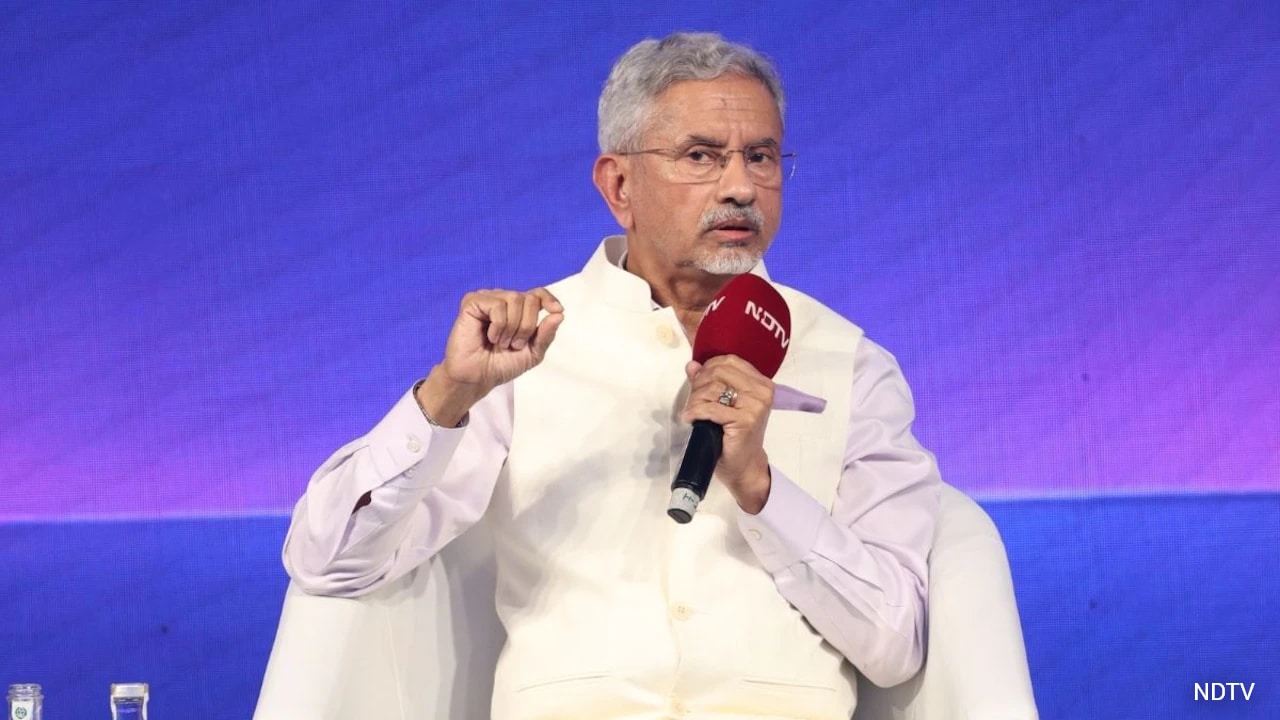
At the NDTV World Summit 2026, External Affairs Minister S Jaishankar laid out a blunt premise that cuts right through old diplomatic clichés: doing good and serving your national interest aren't competing options. When India shares vaccines, champions millets, or rallies the world around yoga, it isn't acting out of naive altruism. It's building durable trust in a world where alliances shift fast and supply chains snap under pressure.
If you've watched Indian foreign policy over the last decade, you've probably noticed a shift from quiet non-alignment to loud, confident multi-alignment. Critics sometimes dismiss wellness days, ancient grains, and medical aid as light fluff compared to hard defense pacts or trade tariffs. Honestly, that misses the point. Hard power wins arguments; soft power—paired with real industrial and cultural muscle—makes partners want to sit at your table when crises hit.
How S Jaishankar Frames Global Good and National Interest
Most foreign ministries treat national interest like a zero-sum tug-of-war. One side gains, another loses. Jaishankar pushes back hard against that habit. Responding to questions from Ramakrishna Mission monk Swami Sarvapriyananda at the summit, he argued that contributing to global good actually strengthens India's standing and security.
That idea sounds tidy on paper, yet putting it into practice gets messy fast. A country with domestic priorities—feeding hundreds of millions of citizens, securing energy, guarding borders—can't hand out unlimited favors. Jaishankar has repeatedly stressed that diplomacy requires balancing patience with sharpness, reading other countries' self-interest clearly while protecting your own. In his framing, helping a neighbor with medicine or food security isn't a detour from strategy. It's the groundwork for stability in regions where instability hurts everyone, including New Delhi.
Watch how this plays out in practice. When India responds first to disasters or health emergencies, it earns political goodwill that shows up later in trade talks, maritime cooperation, or multilateral votes. It doesn't guarantee automatic agreement on every issue—geopolitics rarely works that cleanly—but it changes the baseline tone of the relationship.
Yoga Beyond Mats and Morning Stretches
Ask ten people outside South Asia what yoga means, and nine will talk about stretching in a studio or stress relief after work. That's fine as far as it goes, yet from a foreign policy angle, yoga works because it crosses borders without needing a translation manual or a political manifesto.
Since the United Nations designated June 21 as the International Day of Yoga, the practice has served as a low-friction entry point for cultural diplomacy. Embassies host sessions from New York to Tokyo and Nairobi, bringing locals into contact with an Indian tradition that feels welcoming rather than intimidating. Unlike state-backed propaganda, people adopt yoga because they like how it makes them feel.
Jaishankar pointed to the International Day of Yoga as proof that cultural familiarity opens doors to wider cooperation. Still, there's a catch nobody likes to admit: popularity isn't the same as policy clout. Millions of people love yoga, K-pop, or Italian espresso without changing their government's foreign policy overnight. Where yoga actually helps is creating a warm reservoir of public goodwill so bilateral ties have cushion when tougher negotiations come along.
Why Millets Are a Quiet Geopolitical Play
Millets sound like a niche health-food trend until you look at climate change, rising food prices, and Africa's agricultural history. Hardy, drought-resistant, and nutritious, these small-seeded grains grow in tough soil and use far less water than thirsty staple crops like rice or wheat.
In his summit remarks, Jaishankar noted that millet outreach has resonated strongly in Africa, where traditional grains once had deep roots before being sidelined by other crops. By pushing millets globally—building on momentum from India's International Year of Millets campaign—New Delhi isn't just talking nutrition. It's talking climate resilience, soil health, and food security for regions hammered by erratic weather.
Here's where a common misconception creeps in. People assume food diplomacy is all about shipping grain sacks from one port to another. Real agricultural cooperation is slower and more practical: sharing drought-tolerant seed varieties, improving processing and storage, and helping farmers earn better incomes without depending on volatile global commodity markets. When a partner country sees a practical fix for food insecurity, that trust lasts longer than a press release.
Vaccines and the Lasting Memory of Crisis Help
Even years after the acute phase of the COVID-19 pandemic faded, vaccine assistance still shapes how many countries view India. Through its Vaccine Maitri initiative, India supplied hundreds of millions of doses globally—combining grants, commercial exports, and multilateral channels—at a moment when wealthier nations often hoarded supplies.
Let's be real about the numbers and the limits. India faced severe domestic strain during its own Delta wave in 2021, which forced temporary export pauses and sparked sharp debate at home and abroad. Pretending the rollout was flawless would be dishonest. Even with those bumps, however, India's pharmaceutical manufacturing scale proved it could act as a practical health partner for the Global South rather than just a spectator.
Jaishankar noted that countries still bring up India's vaccine support years later. Why? Because crises reveal character. When a country helps during a medical emergency, governments and citizens remember who showed up when panic was high. That reputation carries weight when nations debate supply-chain chokepoints, healthcare access, or disaster response.
Where Soft Power Meets Hard Reality in a Turbulent World
Cultural warmth and health aid only go so far if the broader international system is breaking apart. Across recent speeches at the UN, the Asia Society, and Indian summits, Jaishankar has warned of "stormy seas," fierce great-power competition, and overlapping crises that hit developing nations hardest.
In that environment, countries are openly dealing with multiple partners at once, weighing interdependence against rivalry. Energy security, tariff shifts, artificial intelligence divides, and contested borders sit right alongside cultural and humanitarian outreach. You can't yoga your way out of a border standoff or a semiconductor bottleneck.
That's why the smartest way to read Jaishankar's argument isn't as a romantic pitch for soft power over hard power. It's a layered strategy. You build hard capabilities—manufacturing, defense, digital infrastructure, trade—while using culture, nutrition, and crisis support to widen your circle of friends. A country with both is much harder to squeeze.
Practical Ways to Follow and Apply These Insights
If you follow international affairs, run a business tied to emerging markets, or just want sharper news literacy, you don't need to take headlines at face value.
- Track outcomes, not slogans: When a government announces a health, food, or cultural initiative abroad, look for follow-through—joint research, supply agreements, training programs, or repeated diplomatic backing—rather than stopping at the launch speech.
- Read official primary sources alongside commentary: Check statements from India's Ministry of External Affairs alongside independent policy analysis so you can separate diplomatic messaging from actual trade and security moves.
- Watch food and health resilience in the Global South: Pay attention to agricultural tech partnerships, vaccine manufacturing deals, and climate adaptation funding in Africa and South Asia, where practical problem-solving often predicts long-term alignment better than big summits.
Watch S Jaishankar on yoga, millets, and vaccines at the NDTV World Summit.