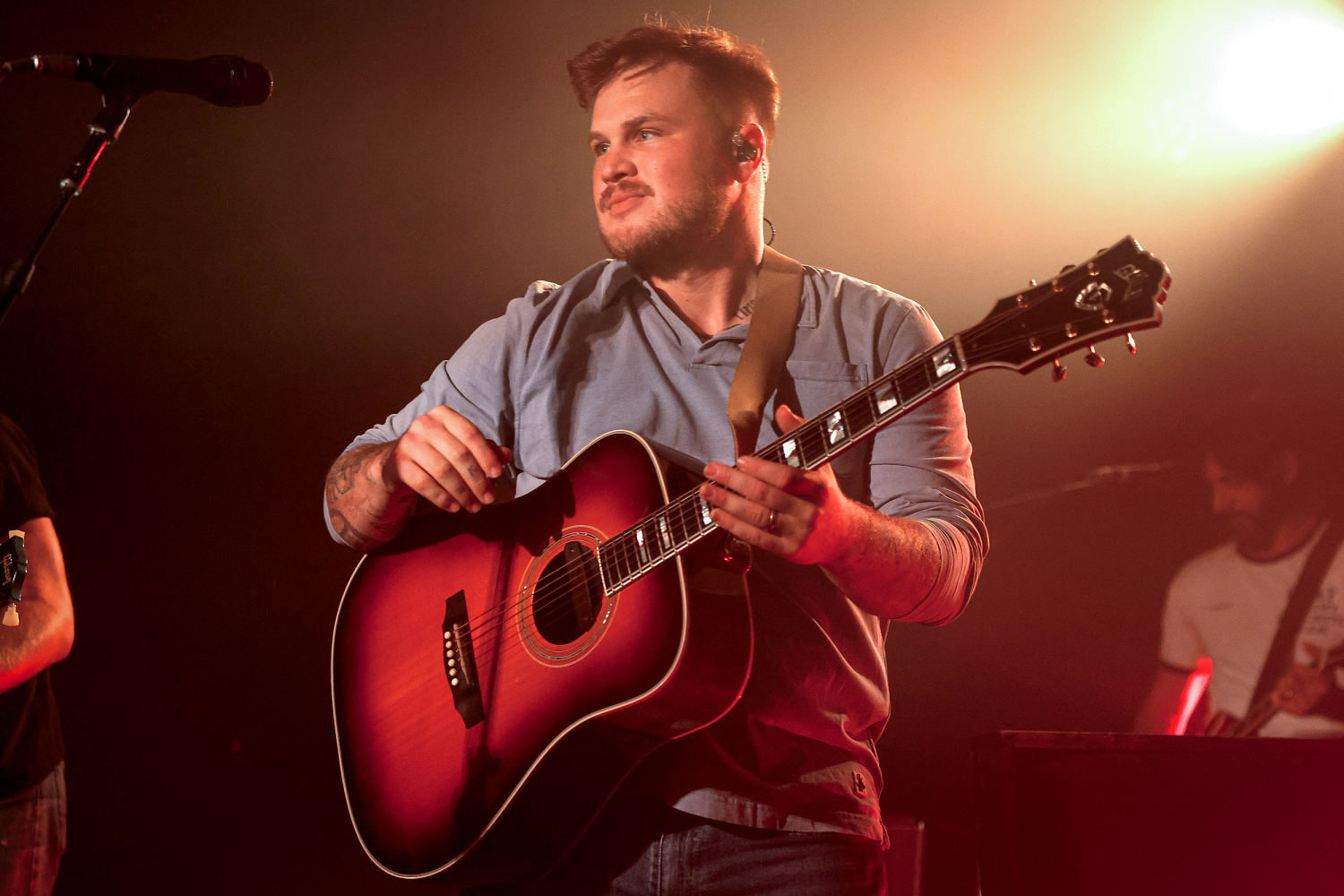
Country music star Zach Bryan stepped onto the stage at Gillette Stadium wearing a black t-shirt emblazoned with the words "Free Palestine" and "An appeal to heaven" alongside a pine tree logo. It wasn't just a casual wardrobe choice. It was a direct, calculated statement delivered inside a venue owned by billionaire New England Patriots owner Robert Kraft, igniting a fierce conversation about politics, music, and corporate influence.
If you've been following live entertainment headlines, you know this didn't happen in a vacuum. Just weeks prior, rapper Macklemore was blocked from performing at the exact same stadium following pro-Palestinian remarks and a performance of his song "Hind's Hall" at MetLife Stadium. Kraft publicly cited concerns over a history of rhetoric he deemed offensive to the Jewish community, which triggered a domino effect of tour fallout and cancellations. By walking out in that shirt, Bryan didn't say a single word into the mic about the controversy, but his message came through loud and clear. Recently making headlines in related news: Why DJ Alok Fixing the Amazon Rainforest Changes Everything You Know About Music and Climate.
The Background of the Gillette Stadium Clash
Venues are businesses, and billionaire owners hold immense leverage over who gets a platform. When Macklemore was dropped from Ed Sheeran's tour lineup at Gillette Stadium, it drew immediate backlash. Other supporting acts walked away in solidarity, and public debate polarized quickly.
When a massive artist like Zach Bryan books that exact venue and chooses to wear political messaging on his chest—while members of his band followed suit with similar shirts and a jersey honoring Hind Rajab—it turns a routine weekend tour stop into a cultural flashpoint. Bryan didn't give a speech or reference Kraft by name. He let the clothing do the heavy lifting, knowing the internet would connect the dots instantly. Additional information into this topic are covered by Associated Press.
Why Artists Are Mixing Music and Geopolitics
Fans go to concerts to escape reality. They want cold beer, loud guitars, and three hours of detachment from the daily news cycle. Yet, modern artists increasingly refuse to keep their personal beliefs backstage.
We are seeing a permanent shift in how performers view their platforms. They realize that silence is a stance. When a venue owner actively censors or drops one artist for political speech, other musicians view it as a threat to creative freedom across the board. Bryan’s wardrobe choice functions as a protest against corporate gatekeeping just as much as it functions as solidarity with Palestine.
Critics argue that celebrity activism is often superficial or alienates paying fans who hold opposing views. Proponents argue that popular culture has always been tied to social movements, and stadium-level artists have a unique power to force conversations that boardrooms try to sweep under the rug.
The Fallout and What Comes Next
The intersection of billionaire venue owners, touring conglomerates, and independent-minded artists is getting messier. Ed Sheeran's scheduled concerts at Gillette Stadium were ultimately derailed by severe weather rather than political boycotts, but the underlying tensions remain completely unresolved. Donations are being pledged, statements are being issued, and audiences remain sharply divided.
Zach Bryan proved that an artist doesn't need to pick up a megaphone to disrupt the status quo. A single t-shirt under stadium lights can drive millions of impressions, spark endless debates online, and challenge powerful figures right in their own backyard. Whether this leads to genuine industry change or just deeper polarization in the concert scene depends entirely on how the next headliner decides to handle the stage.