Silence.
That is the sound of a gavel falling on a three-hundred-thousand-dollar dream of justice, leaving behind nothing but the faint, earthy scent of damp drywall and an unpaid legal bill.
If you have ever walked into a room and smelled that unmistakable, sweet-and-sour tang of hidden moisture, you know the immediate, visceral dread it triggers. It is not just a maintenance issue. It is an invasion. You start checking the corners of the baseboards with a flashlight. You notice a cough that lingers two weeks longer than it should. You look at your sofa, your books, your winter coats, and you wonder if they are slowly becoming biohazards.
When a New York appellate court recently shut the door on a group of tenants seeking $321,728 in damages over toxic mold, the legal brief read like a cold autopsy of a failed lawsuit. Delays. Missing proof. Procedural missteps. To a casual observer scrolling past a legal ticker, it looks like a dry dispute over paperwork.
Look closer, though, and you see a terrifying blueprint of how easily ordinary people lose everything when their homes turn against them.
The Anatomy of an Invisible War
To understand what happened in that New York courtroom, you have to step out of the marble hallways of the Appellate Division and walk into a cramped, water-stained apartment. Let us construct a hypothetical scenario—call them Elena and Marcus, two renters who mirror the exact predicament of the litigants in these high-stakes housing battles.
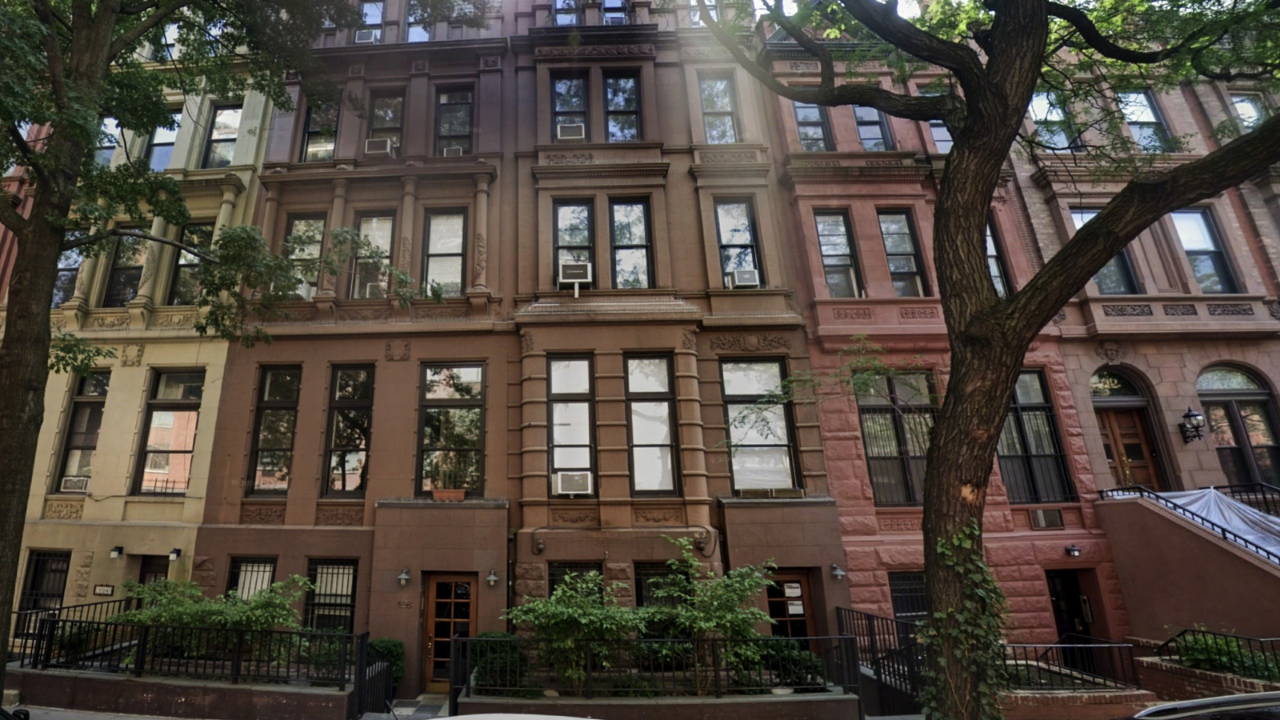
Imagine Elena and Marcus signing a lease in a pre-war New York building. The radiators hiss, the floorboards creak, and for the first six months, life is good. Then comes a heavy autumn rainstorm. A brown ring blooms on the bedroom ceiling like a bruise. They wipe it away. They send a casual text to the superintendent. Life gets busy, deadlines pile up at work, and the stain is painted over.
Months pass. The paint bubbles. Behind the plaster, invisible spores—Stachybotrys, Aspergillus, Penicillium—are quietly colonizing the cellulose in the drywall. By the time Elena starts waking up with swollen sinuses and Marcus notices black speckles creeping behind the bookshelf, the damage is no longer cosmetic. They throw away ruined furniture. They pay out of pocket for hotels. They hire an environmental inspector, rack up medical bills, and finally decide to sue the landlord for $321,728—a figure cobbled together from ruined property, health expenses, and the sheer misery of living in a compromised space.
They feel righteous. They have the photos on their phones. They have the ruined couch sitting in a storage unit. They assume the law is a scale that simply weighs human suffering against corporate negligence.
They are wrong.
In the New York appellate ruling that crushed the real-world $321,728 claim, the court did not rule that the mold wasn't there. It did not rule that the tenants didn't suffer. Instead, the judges dismantled the case on two brutal, unforgiving technicalities: unexcused delays and a fatal lack of admissible proof.
The Trap of the Ticking Clock
I have sat across from people in the middle of housing disputes, watching their faces fall when they realize how the legal system actually measures time. In real life, a mold problem creeps up on you slowly. You give your landlord the benefit of the doubt. You wait three weeks for a contractor who never shows up. You try scrubbing the wall with bleach yourself because you do not want to be "that difficult tenant." You hesitate to call a lawyer because lawyers cost money, and you are already bleeding cash replacing ruined mattresses.
In a courtroom, that hesitation is lethal.
Think of a legal claim like a fresh crime scene in the middle of a rainstorm. Every day you wait to document the environment properly, the evidence washes away. When tenants delay taking formal legal action—or worse, delay complying with court-ordered discovery deadlines—they hand the defense attorney a silver bullet.
In the New York case, the appellate judges pointed squarely at the timeline. When you wait too long to bring a claim, or when you drag your feet turning over records once a lawsuit begins, the court views your urgency with deep suspicion. Why did you wait years to demand $321,728? If the conditions were truly uninhabitable, why wasn't there a formal, contemporaneous paper trail from day one?
The defense lawyers for major property owners know this rhythm intimately. They do not need to prove the building was dry. They only need to wait you out, file motions to dismiss based on missed deadlines, and let the clock suffocate your case before a jury ever sees a single photograph of a blackened wall.
Why Your Smartphone Photos Are Worthless
Let us talk about the second blade that severed that $321,728 claim: missing proof.
When most of us think of proof, we think of visual evidence. You pull out your phone, snap a high-resolution picture of fuzzy green growth behind the bathroom vanity, and save it to the cloud. You assume that picture is worth a thousand words—or three hundred thousand dollars.
In a court of law, a smartphone photo of mold is almost entirely useless.
Here is the analogy I always use to explain evidentiary standards in toxic tort cases: showing a judge a photo of black spots on a wall is like showing a doctor a photo of a closed door and asking for a cancer diagnosis. The photo proves there is a stain. It does not prove what species of mold is present. It does not prove the concentration of airborne mycotoxins. Most importantly, it does not prove causation—the ironclad scientific bridge connecting that specific patch of drywall to your ruined belongings or your respiratory distress.
To survive an appellate challenge in New York, your proof has to clear an extraordinarily high bar:
- Certified Industrial Hygiene Testing: You need air samples and swab tests conducted by a licensed, independent mold assessor—not a cheap hardware-store petri dish kit—proving elevated spore counts inside the apartment compared to the outdoor baseline.
- Chain of Custody and Receipts: If you claim $321,728 in property damage, you cannot simply estimate what your wardrobe and furniture were worth. You need original receipts, serial numbers, independent appraisals of the ruined items, and proof that those items could not simply be cleaned.
- Medical Causation: A doctor's note saying "patient has asthma" will be torn apart on cross-examination. You need a specialist willing to testify, to a reasonable degree of medical certainty, that the specific toxins documented in your apartment directly caused or exacerbated your specific physiological symptoms.
When the New York tenants failed to produce this rigorous, airtight documentation—and failed to turn over what little they had on time—the appellate court had no choice. Under the cold rules of civil procedure, an unproven claim is indistinguishable from a fabricated one. The $321,728 figure vanished into thin air.
The Invisible Asymmetry of Power
It is easy to feel a rush of anger reading about cases like this. It feels deeply unfair, almost predatory. And frankly, if you are feeling overwhelmed just thinking about the sheer administrative burden of fighting a landlord, you are not alone. Navigating housing law while your health is failing is like trying to perform surgery on yourself while standing on a sinking boat.
Historically, landlord-tenant law was built around agricultural leases—centuries-old rules designed for farmers renting land, where the tenant was expected to fix the fence and mend the roof. Modern urban housing laws, like New York’s Warranty of Habitability, were grafted onto that ancient framework to protect city dwellers from slum conditions. Yet, the burden of proof still rests heavily on the shoulders of the person living inside the damaged box.
Landlords carry commercial general liability insurance. They have defense counsel on retainer whose entire career is dedicated to dismantling habitability claims. Tenants, by contrast, have day jobs, families, and limited savings. When water breaches a ceiling, the landlord sees a line item on a maintenance budget; the tenant sees their sanctuary rotting from the inside out.
This asymmetry is precisely why so many legitimate mold claims collapse. Tenants fight the battle emotionally, reacting to the visceral horror of the damage, while landlords fight it bureaucratically, obsessing over dates, certified mail receipts, and evidentiary rules.
How to Build an Unbreakable Shield
If you ever find yourself staring at a water stain, smelling that damp, earthy rot, or feeling your chest tighten every time you walk through your front door, you have to strip away your natural human instinct to be polite and patient. You must immediately become a cold, methodical archivist of your own life.
First, kill the informal communication. Stop texting the super. Stop having friendly hallway chats with the property manager. Every single interaction regarding water intrusion, leaks, or humidity must be sent via email and certified mail with a return receipt requested. You are not writing to your landlord; you are writing to a future appellate judge who will read that email three years from now.
Second, respect the statute of limitations and discovery clocks. If you intend to seek compensation, consult a tenant attorney immediately—not after you move out, and not after you have already thrown away the evidence. If a lawsuit is filed, treat every deadline from the court like a matter of life and death. Missing a document deadline is the easiest way to hand your opponent a free victory.
Third, buy real science, not just photos. Before you throw away a single ruined rug or wipe down a single wall with bleach, hire a licensed mold assessor to take air and surface samples. Keep the lab reports. Keep the invoices. If you have to discard ruined property for your own health, photograph every item alongside its brand label, document its replacement cost, and keep the receipts for every hotel night, air purifier, and doctor's visit in a dedicated, time-stamped folder.
The Ghost in the Drywall
Think back to that New York courtroom, where $321,728 was erased with the stroke of a judicial pen. Somewhere in the city, those tenants still carry the memory of that apartment—the smell of the damp air, the frustration of packed boxes, the exhaustion of fighting a system that demanded perfection from victims while excusing negligence from owners.
The law does not care how loud you shout about your suffering. It only cares what you can prove, and whether you proved it on time.
Next time you notice a faint yellow ring forming on the plaster above your bed, do not grab a sponge. Grab a pen, check the date, and start building your record before the walls close in.