When international headlines explode over an aviation emergency, the internet moves fast. Sometimes, it moves too fast. Following the shocking mid-air cockpit attack on a Flydubai flight bound for Israel, global media scrutiny immediately traced the background of the accused co-pilot. That digital trail dragged innocent bystanders into the crossfire. An Australian man found himself forced to forcefully reject online assertions tying him to the dramatic incident, labeling the internet chatter as completely false accusations.
The incident itself sent shockwaves through global aviation. Flight safety protocols were thrown into question after the co-pilot allegedly attacked the captain mid-flight, prompting an emergency landing. As security agencies from multiple countries began digging into the background, education history, and past travels of the suspect, digital sleuths on social media started connecting dots that simply didn't exist. Local community figures in Australia quickly became targets of online speculation simply because of loose geographical or digital overlaps.
False associations spread like wildfire during major breaking news events. Algorithms reward speed over accuracy, and online commentators love playing amateur detective. When reports surfaced mentioning that the Omani co-pilot had spent time studying engineering in Australia, social media users weaponized outdated directory listings and cached profile pages. They began pointing fingers at completely unrelated individuals who shared regional backgrounds or common community spaces.
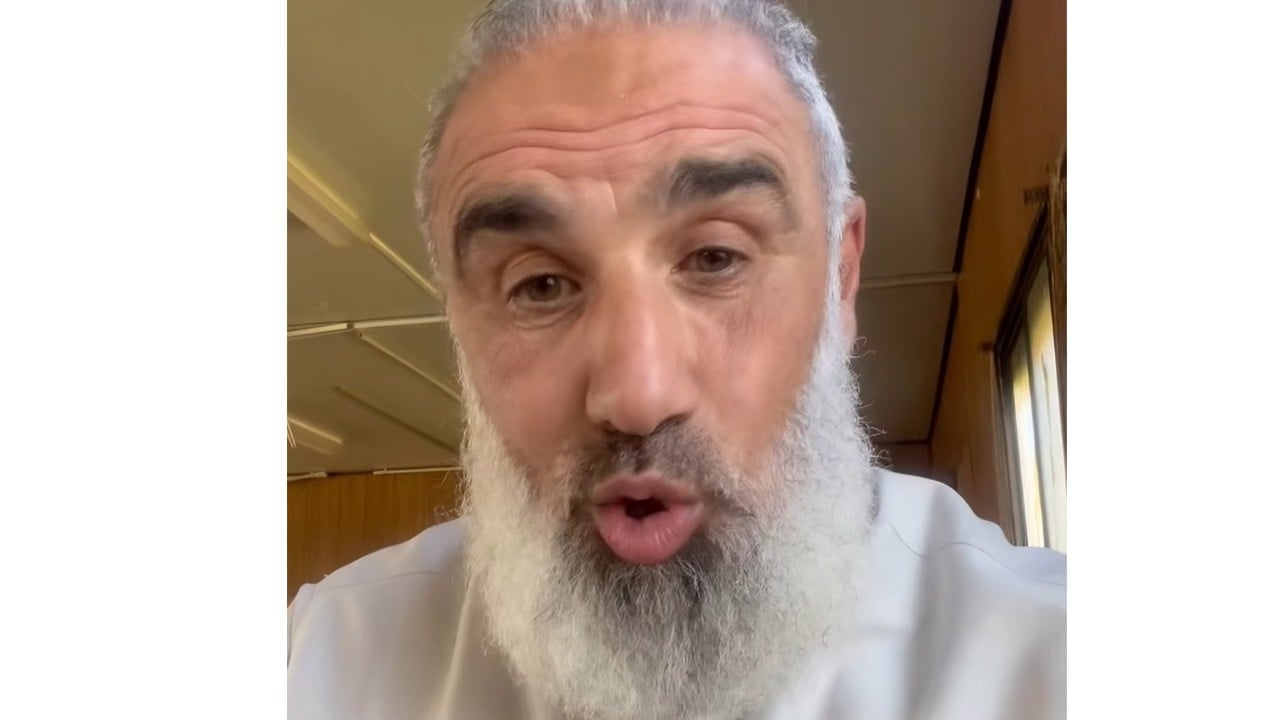
For the Melbourne-based man caught in the middle of this digital storm, the impact was immediate and alarming. Facing viral video clips and speculative Facebook posts trying to paint him as an accomplice or ideological associate, he had to step forward publicly to clear his name. He made it clear that any connection to the cockpit assault or the attacker's motives was entirely fictitious. Security agencies have since kept their focus where it belongs: on the actual flight data, international travel records, and the true timeline of the suspect.
This episode highlights a toxic side of modern digital culture. Whenever a crisis hits, the urge to crowdsource an investigation often results in collateral damage. Real people's reputations get shredded online before official police statements even clear the wire. If you are consuming breaking news, remember to separate verified facts from viral rumor-mongering. Always wait for law enforcement briefings rather than trusting anonymous social media sleuths who are eager to pin blame on anyone who fits a convenient narrative.