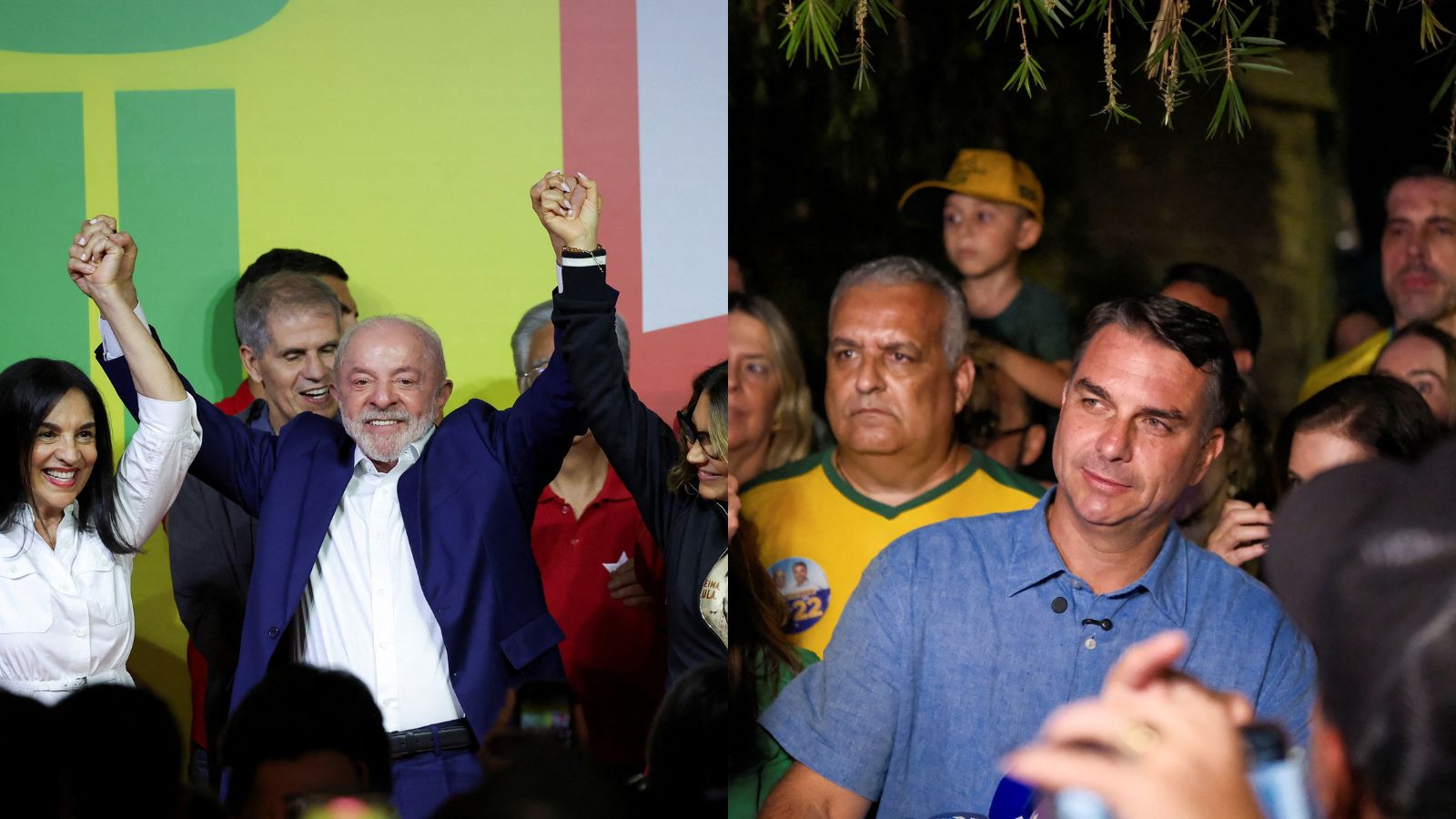
The political architecture of South America's largest democracy is fracturing in real time. As Brazil hurtles toward the decisive runoff of its 2026 presidential election, the momentum behind Flavio Bolsonaro has fundamentally reshaped the national conversation. Pitting the conservative machinery against the entrenched political survival instincts of incumbent President Luiz Inacio Lula da Silva, this election cycle has transformed from a conventional political contest into a referendum on economic reality, institutional trust, and ideological identity.
Understanding how this race reached its current boiling point requires looking past conventional polling margins and examining the structural anxieties driving millions of voters to the right.
The Economic Undercurrent
Elections are won and lost on purchasing power. For months, the average Brazilian household has navigated a complex economic climate characterized by stubborn inflation and persistent cost-of-living pressures. While macroeconomic indicators frequently present an image of steady recovery, the reality on the ground in urban centers tells a different story.
Prices for basic staples, energy, and transportation have steadily outpaced wage growth for significant portions of the working and lower-middle classes. This disconnect between official metrics and lived experience created an opening for an aggressive conservative counter-narrative. Flavio Bolsonaro seized this vulnerability, framing the current administration's fiscal strategy as bloated, inefficient, and disconnected from the everyday struggles of working families.
Fiscal discipline has become the battleground rhetoric of the campaign trail. The opposition has successfully leveraged public frustration regarding public spending, positioning themselves as the architects of necessary fiscal austerity and market freedom.
The Conservative Coalition and the Legacy Factor
Flavio Bolsonaro’s political ascent is not merely an individual achievement; it represents the consolidation of a broader movement. The conservative base built during his father’s presidency has matured into a disciplined political apparatus. Evangelical voters, agribusiness powerhouses, and urban security advocates have formed a unified voting bloc that operates with high turnout discipline.
At the same time, the legacy of the Bolsonaro name carries distinct political gravity. To his supporters, the brand symbolizes unyielding opposition to establishment politics and a defense of traditional values. To his detractors, it represents a threat to democratic norms and institutional stability. This deep ideological polarization ensures that undecided voters face a stark choice rather than a moderate alternative.
Lula da Silva, meanwhile, has leaned heavily on his historic political capital and the social welfare programs that defined his earlier mandates. Yet, defending an incumbency during economic headwinds is a grueling task. The administration's efforts to highlight infrastructure investments and social safety nets have frequently been overshadowed by debates over governance, corruption allegations, and public security concerns.
Institutional Friction and the Rule of Law
No analysis of the 2026 Brazilian election is complete without acknowledging the unique role of the nation's judicial and electoral institutions. The Supreme Federal Court and the Superior Electoral Court have occupied an unprecedentedly prominent role in national political life over recent years.
Regulatory scrutiny regarding campaign financing, digital communication, and misinformation has established strict boundaries for public discourse. Both sides of the political aisle have accused judicial bodies of overreach, creating an atmosphere of intense institutional friction. As the runoff approaches, the credibility of the electoral machinery itself remains a central flashpoint. Voters are not just choosing a president; they are casting ballots with an acute awareness of the systemic tensions testing the country's democratic framework.
The Ground Game in the Final Stretch
As the campaigns pivot toward the final weeks of mobilization, strategy takes precedence over rhetoric. The runoff requires a different playbook than the initial general election phase. Both camps must expand their appeal beyond their core constituencies to capture the crucial center-left and moderate blocs.
For Flavio Bolsonaro, the challenge lies in moderating his appeal enough to reassure cautious investors and centrist voters while maintaining the energetic momentum of his base. For Lula da Silva, the imperative is re-energizing disillusioned base voters who stayed home or cast protest ballots in the first round.
The outcome remains entirely unpredictable. Brazil stands at a definitive crossroads, and the choice made at the ballot box will reverberate far beyond its borders, shaping the geopolitical and economic trajectory of the entire hemisphere for years to come.