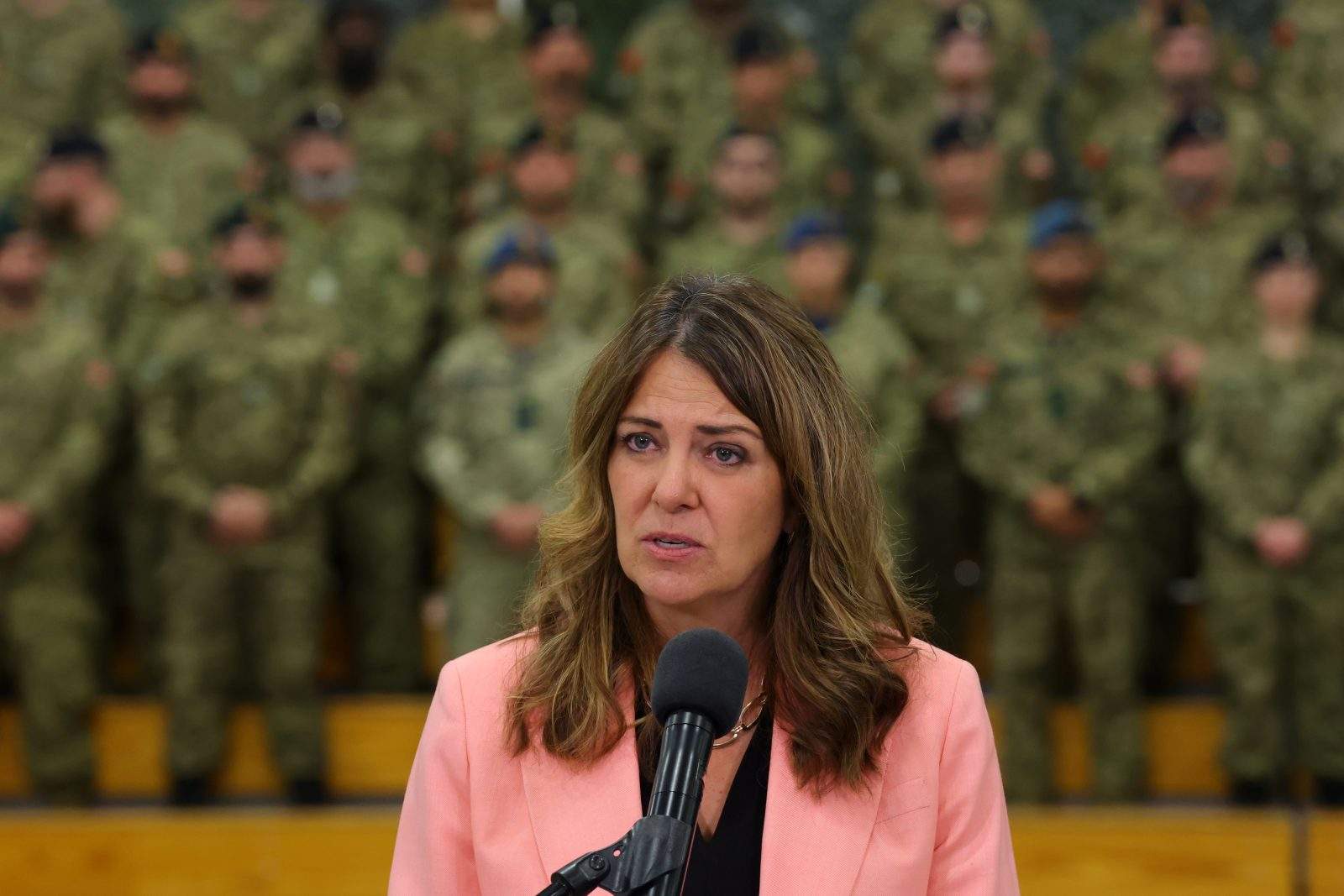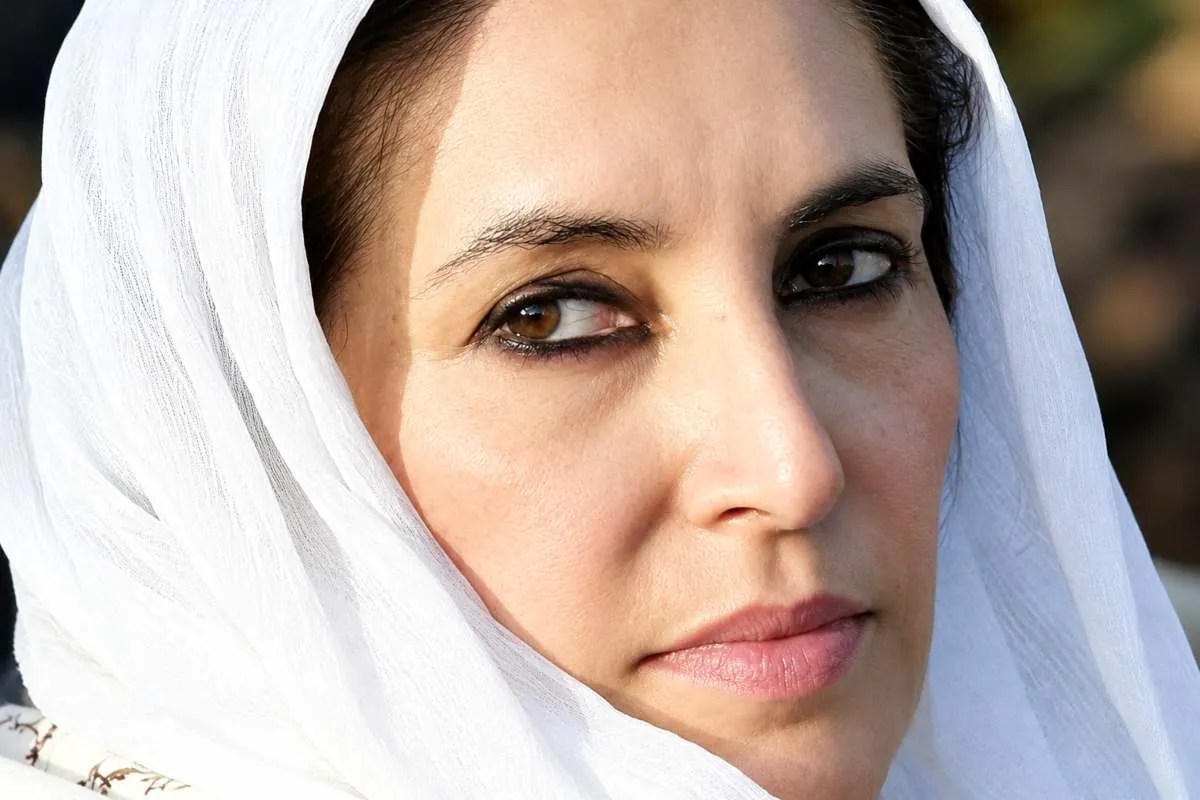
History rarely forgets the moments when powerful figures step outside their carefully managed PR environments and face raw, unscripted scrutiny. Decades ago, prominent political figures traveled the globe trying to build international alliances and project strength. Yet, academic halls often served as unpredictable testing grounds where sharp student minds stripped away political spin. When Benazir Bhutto stepped onto the campus of Harvard University, she expected a warm academic reception. Instead, sharp questioning regarding Pakistan's military establishment turned the appearance into a tense public reckoning.
We often look back at political dynasties with rose-tinted glasses, forgetting the turbulent realities of the nations they governed. Bhutto represented democratic hope to many western observers, but the shadow of the military cast doubt over her credentials. Understanding why those academic exchanges grew so heated requires looking past the polished speeches and examining the complex relationship between civilian leadership and military dominance in Pakistan.
The Complex Dynamic Between Civilian Leaders and the Military
Power sharing in Islamabad has never been simple. Whenever civilian politicians assumed office, the military retained a tight grip on key national security portfolios, foreign policy decisions, and vast economic networks. Bhutto took power during periods of immense transition, facing a military apparatus that had repeatedly intervened in politics through coups and martial law.
Critics often asked a direct question: how much authority did an elected prime minister truly hold when generals controlled the real levers of state power?
- Intelligence agencies operated with sweeping autonomy.
- Defense budgets faced minimal legislative oversight.
- Foreign policy toward neighboring nations remained under military custody.
When university students in the United States pressed her on these compromises, they weren't just asking about domestic politics. They were challenging the very premise of democratic transition in South Asia.
Why Campus Debates Mattered for Global Optics
International universities functioned as critical diplomatic stages for visiting leaders. Winning over western academics and students helped secure vital foreign aid, diplomatic backing, and favorable media coverage. However, American student bodies in the late twentieth century possessed high levels of political awareness. They read independent reports, studied human rights abuses, and refused to accept talking points at face value.
When a leader promotes democratic ideals while operating under the watchful eye of an entrenched military elite, sharp contradictions emerge. Students at Harvard spotted those gaps instantly. They didn't care about diplomatic niceties. They wanted to know why democratic institutions remained fragile and why civilian leaders frequently compromised with generals to preserve their fragile tenure.
The Reality of Compromise in South Asian Politics
Politics in developing democracies often forces leaders into impossible corners. Push too hard against military dominance, and you risk a swift dismissal or a coup. Cooperate too closely, and you lose moral legitimacy in the eyes of reform-minded citizens and global observers.
Bhutto navigated this tightrope throughout her political career. Her speeches emphasized progressive reforms, women's rights, and economic modernization. Yet, the ground reality back home involved constant negotiation with military commanders who viewed themselves as the ultimate guardians of the state.
Those tough encounters abroad exposed the limits of charismatic leadership. No amount of eloquence could hide the structural imbalance of a political system where the ballot box always competed with the barracks.
Looking Back at Accountability and Global Scrutiny
Public pressure from academic institutions forced politicians to address uncomfortable truths, even if they tried deflecting them with standard diplomatic phrasing. Those intense exchanges left a lasting mark on how international observers evaluated the fragile state of democracy in the region.
History shows that leaders are ultimately judged not by the applause they receive in friendly auditoriums, but by how they handle hard truths thrown at them by skeptics. The friction at Harvard remains a striking reminder of the tension between political ambition and the harsh realities of military oversight.