Whenever a pilot makes headlines for radicalization or extremist flags, the lazy consensus in the media machine immediately spins into panic over security vetting. Pundits scream for deeper background checks, more algorithmic surveillance, and tighter psychological nets around flight decks. It is a comforting narrative because it suggests that safety can be solved by an upgraded checklist.
It is also entirely wrong.
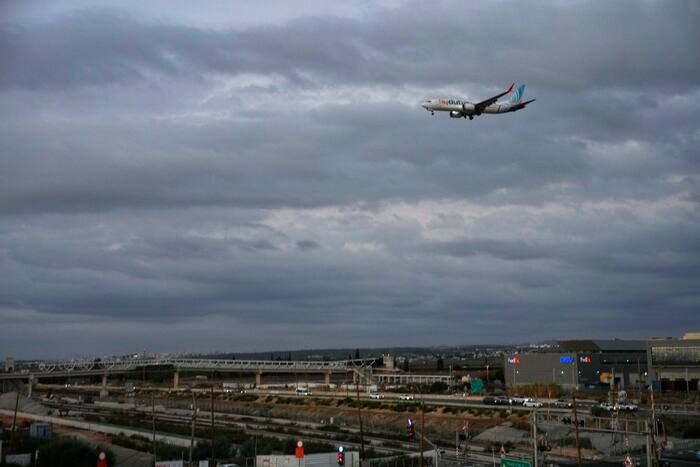
I have spent years watching aviation security bureaucracies build towering monuments to theater while ignoring the foundational architecture of cockpit isolation. When an incident like the FlyDubai co-pilot history of extremism dominates the news cycle, the reflex is to scrutinize the individual. We dissect their past, question how they slipped through the cracks, and demand a stricter filter. But focusing on the psychological profile of a single flight crew member is a dangerous distraction. It treats a systemic structural failure as an isolated HR anomaly.
The Illusion of the Flawless Filter
Let us start with a hard truth about human screening. Perfect predictive security does not exist. No background check, interview panel, or behavioral monitoring algorithm can spot every ideological shift or psychological fracture in real-time. People change, stress breaks them, and isolation alters judgment.
When media outlets report that a pilot had been flagged for extremism concerns, the public assumes that someone dropped the ball. They imagine an obvious warning sign that a lazy bureaucrat ignored. The reality is far messier. Intelligence pipelines are choked with noise, false positives, and ambiguous indicators. If you set a security net tight enough to catch every person who flirts with radical ideas or exhibits erratic ideology, you will ground half the global aviation workforce.
The aviation industry loves to hide behind compliance. We act as if checking a box on a clearance form creates a force field around an aircraft. It does not. Relying on background checks to keep a cockpit safe is like relying on a paper umbrella in a hurricane. It feels like protection until the storm hits.
The Real Vulnerability is Architectural
The core vulnerability in modern commercial aviation is not that a pilot managed to hold extreme views. The vulnerability is that we still build commercial flight decks under a nineteenth-century model of absolute, unchecked autonomy.
For decades, the cockpit has been treated as a sacred, sovereign zone where two humans are locked away from the rest of the world, capable of overriding every safety system on the plane if they choose to do so. We design redundant hydraulic systems, triple-redundant flight computers, and backup electrical grids. Yet, when it comes to the human element, we rely on a single line of defense: trust and a locked door.
That is an engineering absurdity.
If a co-pilot decides to bypass protocols or exploit their position, the current architecture leaves passengers with virtually no immediate intervention mechanism from the cabin or ground control. While the industry fixates on political extremism, it ignores the mechanical and software realities that allow an isolated individual to convert a commercial airliner into a weapon.
Security protocols should assume that human beings are fallible, volatile, and occasionally compromised. If your safety model collapses the moment a single pilot goes rogue, your safety model is broken.
What Real Aviation Resilience Looks Like
Fixing this does not mean launching another witch hunt into pilots' private lives or turning airlines into ideological police states. That path leads straight to paranoia, talent shortages, and a demoralized workforce. Instead, we need to modernize the physical and digital boundaries of the flight deck.
First, we must normalize and expand remote override capabilities for catastrophic flight control inputs. Ground operations centers and automated safety envelopes should have the technological capacity to lock out fatal trajectory inputs if a crew becomes incapacitated or unresponsive to override warnings. The resistance to this is fierce, usually anchored in outdated notions of pilot ego and hypothetical hacking risks. But as automation advances, keeping human operators entirely insulated from remote safety interventions is an unacceptable liability.
Second, we need to dismantle the absolute isolation of the flight deck. The post-9/11 fortress mentality created a blind spot. While hardening cockpit doors kept hijackers out, it effectively locked accountability inside. Re-engineering crew dynamics to ensure fluid oversight—including mandatory third-party presence during critical phases or dynamic rotation of cabin crew into the cockpit—breaks the dangerous echo chamber that allows dangerous intent to fester unnoticed during a twelve-hour shift.
Stop Chasing Ghosts
If you want to make air travel safer, stop looking for ideological purity in the pilot pool. You will never scrub human nature clean enough to eliminate risk.
The obsession with vetting profiles is a political pacifier. It gives regulators something to talk about while leaving the core engineering and structural vulnerabilities untouched. Until the aviation industry stops treating the cockpit as an untouchable black box and starts treating it as a system requiring mechanical and operational checks against human failure, we will remain one compromised individual away from tragedy.
Stop trying to fix the pilot. Fix the plane.