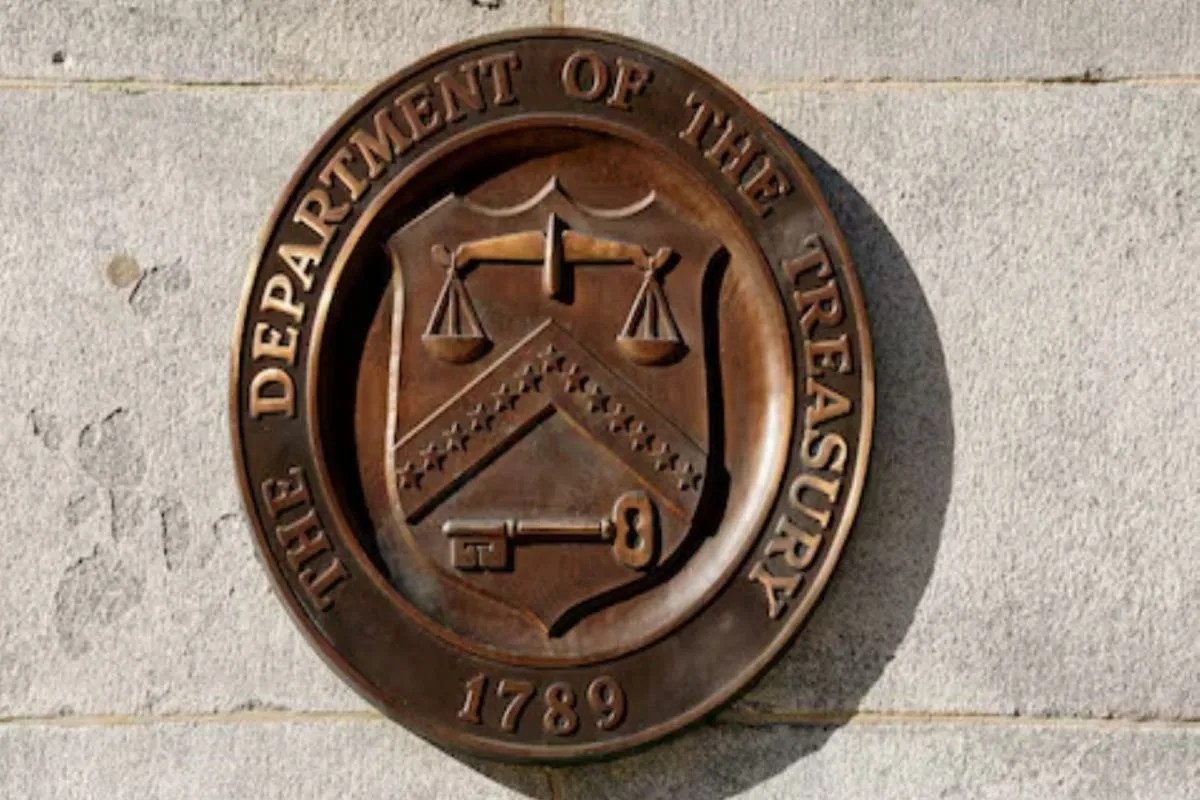
The modern architecture of militant financing rarely relies on clandestine midnight drops or physical suitcases of currency. Instead, it thrives in plain sight, hidden beneath the benevolent cloak of humanitarian aid and charitable giving. When the United States Department of the Treasury rolls out sweeping designations against international networks accused of funneling millions to Hamas under the banner of charity, it exposes an uncomfortable truth about global oversight. Financial policing actions freeze assets and dismantle known conduits, yet they also reveal how quickly illicit operations adapt to regulatory pressure by morphing into decentralized micro-networks.
Tracking these flows requires dissecting a complex ecosystem where well-meaning donors thousands of miles away unknowingly underwrite military wings. For years, intelligence agencies have mapped how front organizations operate across borders, utilizing digital payment platforms and cryptocurrency wallets alongside traditional wire transfers. You might also find this related coverage useful: The Structural Vulnerability of Aviation Corridors An Operational Assessment of Cockpit Security Failures.
The Anatomy of a Sham Operation
Consider a hypothetical setup to understand the mechanism. An entity registers as a relief association in a Western European capital, complete with polished marketing materials, social media campaigns, and images of civilian hardship. Donors contribute modest sums via credit cards or peer-to-peer applications, believing their money feeds displaced families. Behind this facade, a percentage of those funds bypass legitimate distribution channels. They land in the accounts of localized intermediaries who convert traditional fiat currency into digital assets, routing them to operatives embedded within militant supply chains.
This compartmentalization makes interdiction immensely difficult. Financial intelligence units face a perpetual game of Whac-A-Mole. Shut down one front group, and organizers simply rebrand under a new legal designation, open accounts at cooperative regional banks, or shift entirely to alternative payment channels that resist easy auditing. As extensively documented in latest coverage by Reuters, the effects are significant.
The Compliance Paradox for Global Banks
Financial institutions occupy the front lines of this silent war, yet they carry an impossible burden. Compliance officers must screen millions of daily transactions against ever-expanding lists maintained by the Office of Foreign Assets Control. Sophisticated bad actors exploit blind spots by using intentional misspellings, splitting transactions into smaller sums to evade automated thresholds, or routing funds through jurisdictions with lax regulatory enforcement.
When penalties strike, the immediate effect is disruptive. Key coordinators find their liquidity frozen, their communication channels exposed, and their ability to move capital severely constricted. Yet, systemic vulnerabilities persist because the underlying socio-political drivers and sympathetic donor bases remain intact. Enforcement actions deal heavy blows to specific nodes, but they rarely dismantle the foundational infrastructure of ideological fundraising.
The struggle against hidden terror finance is less a definitive battle with a clear endpoint and more a permanent exercise in financial containment. Transparency requirements grow stricter, yet the ingenuity of illicit networks evolves in parallel, ensuring that tracking the money trail remains one of the most persistent challenges in international security.