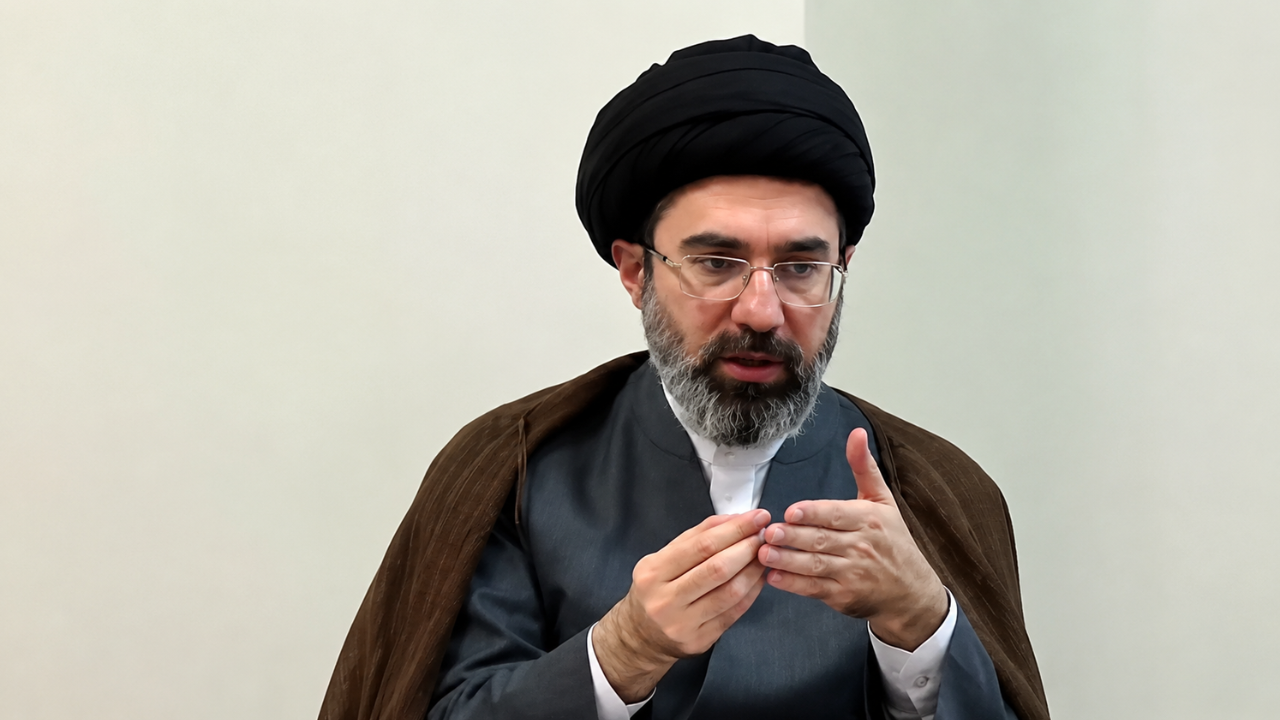
The media ecosystem collectively gasped when Abdul El-Sayed sat down across from Jesse Watters on Fox News. Pundits rushed to write breathless columns praising the civil discourse, the crossing of partisan divides, and the supposed power of two ideological opposites finding common ground. Everyone loves a good televised handshake. It makes us feel like the fractured republic is just one well-mannered cable news segment away from holding hands and singing camp songs.
It is absolute theater, and buying into it makes you a mark.
I have spent years watching political operatives and media strategists orchestrate these cross-ideological cage matches. Behind the scenes, these appearances are not organic moments of high-minded civic engagement. They are transactional content creation designed to juice ratings, feed algorithmic outrage loops, and allow both participants to clip their best soundbites for their respective donor bases. The lazy consensus says that putting a progressive epidemiologist on a conservative prime-time hour bridges the gap. The reality is that it turns serious structural policy debates into professional wrestling for nerds.
Stop pretending these spectacles change minds. They harden them.
The Performance Trap of Cable News Combat
Let us look at the mechanics of modern cable news sparring. No one goes on a hostile network to convert the audience. If you think Abdul El-Sayed walked onto Fox News expecting to flip regular Watters viewers into single-payer healthcare zealots, you do not understand media consumption. Viewers watch partisan networks to have their existing worldview confirmed, not challenged.
When a progressive goes into enemy territory, the home audience watches to see their champion "hold their ground" or "destroy the anchor." Meanwhile, the host's audience watches to see the interloper "get put in their place." Every single interaction is filtered through confirmation bias.
"Argument is not about discovering truth; it is about performance art in front of an audience that has already cast its ballots."
Political scientists call this affective polarization. As scholars like Shanto Iyengar have repeatedly demonstrated, voters do not dislike the opposing party because of policy disagreements; they dislike them because they view them as fundamentally malevolent. A six-minute cable news segment where two polished talking heads trade polite barbs does not dent that tribal animosity. In fact, it validates the tribal structure. It tells the viewer: look how reasonable our guy is compared to their guy.
The False Equivalence of Equal Time
The central myth of the cross-ideological interview is that it represents a marketplace of ideas. A marketplace implies that goods are weighed on their merits, that bad products go out of business, and that consumers make rational choices based on quality.
Cable news is not a marketplace. It is a circus.
Time is compressed. Complex structural arguments about healthcare economics, tax policy, or institutional power are reduced to thirty-second soundbites. If you try to explain the actuarial tables behind Medicare for All in the middle of a rapid-fire Fox News block, you lose. The format itself favors the person slinging the emotional, punchy one-liner. Nuance dies the second the anchor hits the commercial break.
When media outlets praise these segments, they are grading on a curve. They treat basic professional composure like a heroic act of statesmanship. Wow, two adults managed to sit in chairs for five minutes without throwing water bottles at each other. Give them the Pulitzer.
This low bar keeps us trapped in a loop of mediocrity. We praise politicians for not screaming at each other, as if basic kindergarten socialization is a masterclass in political philosophy.
What Real Political Engagement Actually Looks Like
If these televised face-offs are useless, what actually moves the needle? Local organizing. Labor solidarity. Direct economic pressure. Boring, unglamorous policy fights in city councils and state legislatures where cameras are absent and the work is tedious.
Real power is built in rooms where nobody is tweeting about it. It is built by people who understand that institutional change requires leverage, not television appearances.
When progressives treat a cable news hit as a major political victory, it reveals a profound lack of strategy. It shows that the political class would rather win an argument on television than build a durable coalition on the ground. They are mistaking attention for power.
Jesse Watters gets his ratings bump. Abdul El-Sayed gets his fundraising clips. The status quo remains entirely untouched, bulletproof, and laughing all the way to the bank.
Turn off the television, cancel the cable subscription, and stop treating political combat sports as a substitute for actual work.