Someone says something ugly on camera, the internet explodes, and within forty-eight hours, strangers have handed that person $28,000.
That's the exact playbook behind the viral story of a Montana man named Jaxton who told an Indian individual to "go back home" and ended up watching a crowdfunding campaign balloon to tens of thousands of dollars under the slogan "Jaxton said the obvious out loud." Most coverage treats this kind of viral backlash-to-payday cycle like a bizarre one-off glitch in internet culture. It isn't. It's a predictable, repeatable business model fueled by platform policies, algorithmic rage, and political grievance. You might also find this connected story interesting: The Quiet Erosion of the American Ballot Box.
If you want to understand why this specific Montana fundraiser gained traction—and why similar campaigns keep popping up across alternative crowdfunding sites—you have to look past the surface-level shock value and examine the mechanics underneath.
How the Montana $28k Fundraiser Turned Viral Backlash Into Cash
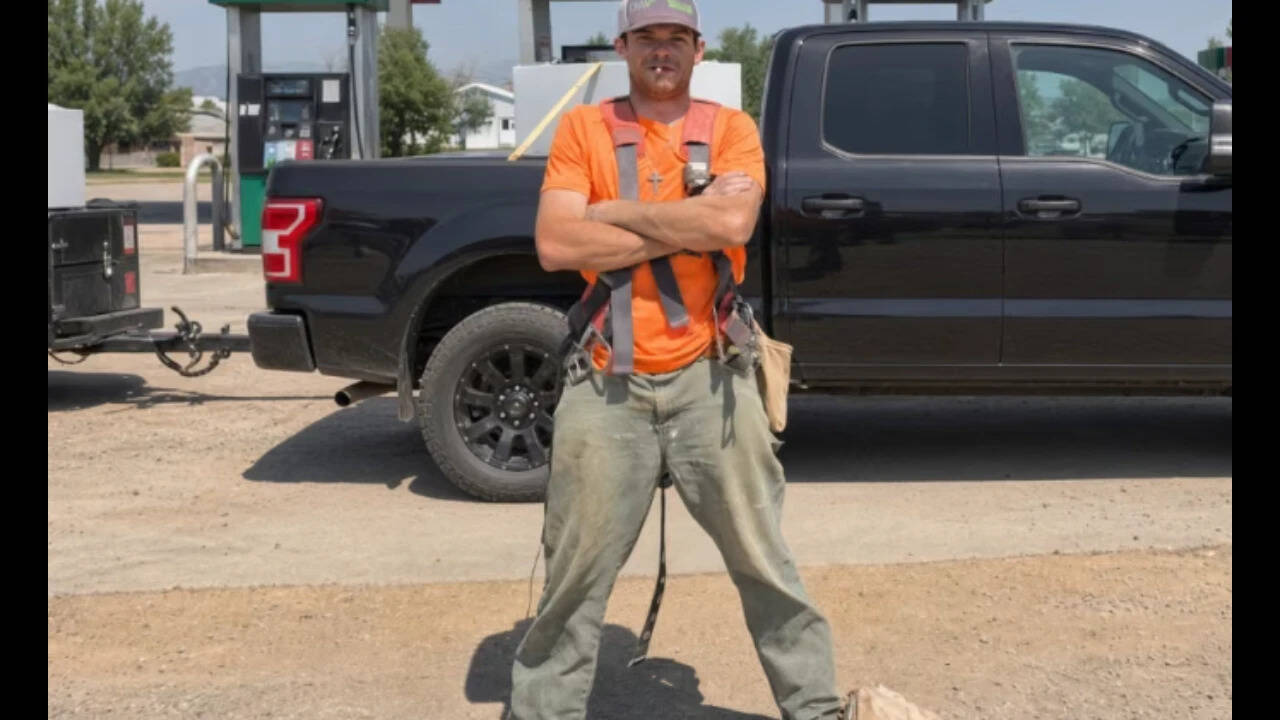
Here's what actually happened on the ground. A viral clip circulated showing a confrontation where a Montana man, identified online as Jaxton, told a person of Indian descent to "go back home." In an earlier era of social media, that kind of clip followed a very strict script: outrage, identification, public shaming, and usually a lost job. As highlighted in latest reports by Al Jazeera, the results are notable.
This time, the script flipped.
Instead of disappearing offline, supporters rallied around a crowdfunding campaign framed around the phrase "Jaxton said the obvious out loud." Within a short window, donations cleared the $28,000 mark. Donors didn't just send five or ten dollars to cover legal bills or living expenses; many attached comments turning the donation page itself into a public message board.
That detail matters. When people donate to these campaigns, they aren't buying a product or funding a charity. They're purchasing a megaphone. Crowdfunding platforms allow donors to leave public notes next to their dollar amounts, which means a $20 contribution buys permanent visibility on a trending page.
Why Traditional Platforms Ban These Campaigns While Others Profit
If you've ever wondered why these fundraisers rarely stay live on mainstream sites like GoFundMe, the answer comes down to strict Terms of Service regarding hate speech, harassment, and discrimination. Over the past several years, major payment processors like Stripe and PayPal pressured mainstream crowdfunding platforms to tighten their moderation rules. When a campaign is tied to racial harassment or xenophobic remarks, mainstream platforms typically pull it down within hours and refund the money.
That vacuum created an entire shadow economy of alternative crowdfunding platforms.
Sites like GiveSendGo built their entire brand identity around refusing to deplatform controversial campaigns unless explicit illegal activity—like direct incitement to violence—is involved. When a viral controversy hits X (formerly Twitter) or TikTok, organizers know immediately that GoFundMe won't host it. They skip straight to alternative platforms where "free speech" positioning is the core selling point.
The economics are simple:
- Zero customer acquisition cost. Outrage algorithms on X and Facebook do all the marketing for free. Every quote-tweet condemning the fundraiser acts as a direct advertisement to people who want to support it out of spite.
- Platform fees still apply. Even when a site advertises zero platform fees, optional tips from donors and standard credit card processing fees (usually around 2.9% plus 30 cents per transaction) generate steady revenue for the host.
- Speed beats moderation. By the time journalists, advocacy groups, or payment processors scrutinize a campaign, tens of thousands of dollars have already cleared.
I've watched dozens of these viral fundraising cycles unfold over the last five years, and the biggest mistake observers make is assuming the money comes from a massive, organized movement. Usually, it doesn't. Looking closely at donor logs on similar viral campaigns shows a consistent pattern: hundreds of small $10 to $50 donations driven by impulse clicks from viral social media threads, mixed with a handful of larger $250 to $500 contributions from anonymous donors trying to push the total past a psychological milestone like $25,000 or $30,000.
The Psychology Behind "Saying the Obvious Out loud"
Look closely at the framing used in the Montana fundraiser: "Jaxton said the obvious out loud."
That phrasing wasn't accidental. Fundraiser organizers rarely ask people to donate to "support harassment." Nobody wants to see themselves as the villain in a story. Instead, organizers reframe the incident as an act of bravery against perceived censorship or cultural pressure.
Social psychologists refer to this as reactance—the sharp motivational pushback people feel when they believe someone is telling them what they are allowed to think or say. When viral outrage demands that a regular person be fired or ostracized over a recorded confrontation, a specific segment of the internet views a $25 donation as a direct middle finger to what they call "cancel culture."
Honestly, the actual facts of the original confrontation almost stop mattering once the fundraiser hits five figures. Donors rarely verify the context of the video, who started the argument, or what actually happened before someone hit record. The fundraiser stops being about a man in Montana and becomes a proxy war over immigration, speech norms, and cultural resentment.
There's also a massive demographic blind spot fueling the "go back home" rhetoric aimed specifically at Indian Americans and Indian immigrants. According to Pew Research Center data, Indian Americans have the highest median household income of any ethnic group in the United States, and millions are second- or third-generation citizens born in the country. Yet during heated economic debates—especially surrounding H-1B visas, tech sector layoffs, and housing costs—anti-immigrant rhetoric online frequently lumps all South Asians together as recent arrivals taking local jobs.
What Happens to the Money After the Viral Cycle Ends
People always assume a $28,000 windfall changes someone's life overnight. Reality is much messier.
First, crowdfunding payouts aren't free money in the eyes of the IRS. While genuine personal gifts aren't taxable to the recipient under federal tax law, funds raised through public crowdfunding campaigns often trigger Form 1099-K reporting requirements depending on how the payment processor classifies the transfers and whether the organizer is an unrelated third party. If a stranger sets up a fundraiser on someone else's behalf and transfers the funds, tax and legal headaches follow quickly.
Second, third-party fundraisers carry a massive risk of fraud and dispute. Whenever a story like the Montana incident goes viral, copycat campaigns pop up within minutes. Scammers scrape the person's photo from social media, launch a fake campaign using a slightly altered title, and pocket the donations before the actual person involved even knows a fundraiser exists. Donors furious about a viral clip rarely check whether the campaign organizer actually knows the person in the video.
Third, the internet moves on in seventy-two hours, leaving the recipient with permanent digital baggage. Search engines index everything. Five years from now, anyone searching that name—whether it's a mortgage lender, an insurance underwriter, a future employer, or a business partner—won't see a fleeting social media argument. They'll see permanent news headlines tying that person's name to a racial confrontation and a $28,000 grievance fundraiser.
How to Spot and Verify Viral Outrage Fundraisers Before Reacting
Whether you're tracking these stories as a journalist, moderating online communities, or just trying not to get manipulated by your social feed, you shouldn't take viral crowdfunding headlines at face value. Both outrage-bait accounts and partisan influencers routinely exaggerate totals, crop videos out of context, or link to unverified fundraisers to drive engagement.
Before sharing a viral fundraiser link or amplifying a screenshot of a donation total, run through a quick verification check:
- Check the organizer's relationship to the beneficiary. Legitimate platforms display whether the organizer is raising money for themselves or someone else. If an anonymous account created the page hours after a clip went viral with zero proof of connection to the person in the video, there's a high probability it's an opportunistic cash grab.
- Look at the donation velocity versus comment timestamps. Real grassroots fundraisers show steady, varied timestamps across different time zones. Coordinated engagement-farming campaigns often show sudden bursts of identical round-number donations paired with copy-pasted political slogans.
- Trace the video back to its earliest upload. Viral clips shared by major commentary accounts are almost always trimmed to remove the first thirty seconds of an interaction. Search the exact phrasing or location details to find the unedited local upload before drawing conclusions about what triggered the confrontation.
- Verify whether the total represents pledged or cleared funds. Some alternative crowdfunding sites display gross totals before payment processor chargebacks and fraud reversals are deducted. When donors regret an impulse donation—or when stolen credit cards are used to inflate a trending page—the actual payout can be significantly lower than the headline number.
Viral outrage has turned public confrontation into a weirdly lucrative spectator sport, and as long as social algorithms reward anger with reach, somebody will always be ready to slap a donation link underneath the chaos.