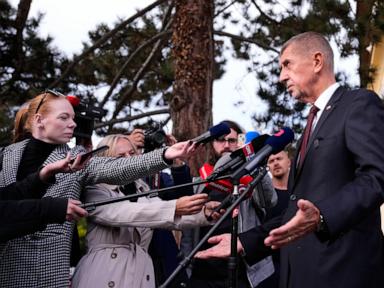
Power looks very different inside parliament compared to how it plays out on the ground during local and regional ballot counts. Prime Minister Andrej Babis and his populist ANO movement discovered this truth firsthand during the opening phase of the Czech Republic's legislative showdown. While national executive authority rests heavily in their hands, translating that high-profile momentum into upper-house legislative dominance proved significantly harder than expected.
Understanding what happened requires looking beyond top-line party branding and examining how the Czech electoral system actually functions. Every two years, voters head to the polls to renew one-third of the 81 seats in the Senate, the upper house of parliament. Because senators serve long six-year terms, the chamber acts as a persistent institutional anchor—and traditionally, it serves as a graveyard for the momentum of whoever holds executive office.
The Mechanics Behind the Senate Battles
The Czech Republic uses a strict two-round system for its upper house. If no candidate clears a fifty percent majority outright during the initial voting days, the top two contenders face off in a runoff a week later. This design heavily favors coalition building and broad-based consensus rather than pure populist messaging or base mobilization.
Babis built his political brand on direct appeals to anti-establishment sentiment, economic grievances, and sharp skepticism toward certain European Union mandates. Yet national elections operate under entirely different dynamics than local senate races. Voters tend to treat upper-house ballots as a direct referendum on the sitting government, creating an opening for fragmented opposition forces to rally behind consensus candidates.
When ballots cleared across the single-member districts, opposition groups like the Mayors and Independents (STAN) alongside the Civic Democratic Party (ODS) demonstrated remarkable durability. Rather than sweeping the map, the ruling party found itself struggling to secure conversions in the runoffs, highlighting the sharp limits of executive coattails in local contests.
What This Means for the Balance of Power
A fragmented or hostile upper house changes the legislative arithmetic entirely. While the lower chamber (the Chamber of Deputies) holds the primary keys to forming governments and passing standard budgets, the Senate retains critical veto power over constitutional changes and major legislative packages. When the upper house is controlled by a mosaic of center-right and liberal opposition parties, any administration faces structural roadblocks.
This friction exposes a deeper reality about contemporary European politics. Populist leaders often secure sweeping victories during general elections by capitalizing on cost-of-living anxieties and institutional fatigue. But governing a parliamentary democracy requires navigating deeply entrenched checks and balances. The upper house functions precisely as intended—as a institutional speed bump designed to slow down rapid shifts in executive control.
The Broader Political Fallout
Voter turnout patterns during these cycles tell an equally important story. Participation dropped significantly between the initial voting round and the subsequent runoffs, a common trend in Czech mid-term politics. That drop-off places immense pressure on local party infrastructure. Parties with deep municipal roots and active grassroots networks consistently outperform centralized national machines when enthusiasm cools down.
Babis and his political allies will certainly adjust their strategy for future legislative hurdles, but the outcome serves as a stark reminder. Holding the prime minister's office doesn't guarantee immunity from local political gravity. As the Czech political landscape heads toward future legislative battles, the upper house remains a formidable fortress for the opposition, proving that public sentiment outside major urban centers remains deeply fractured.