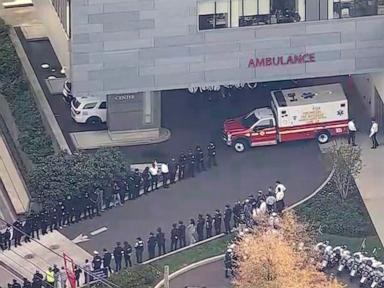
A routine call can turn fatal in a split second. That brutal reality hit home hard in Philadelphia when an armed confrontation on a residential porch shattered a community and cost a dedicated officer his life.
When reports of an armed individual come into dispatch, officers don't get the luxury of hesitation. They roll out, step onto the scene, and walk straight into the unknown. But the tragic October 2026 ambush in West Philadelphia highlights how fragile public safety is, and why we need to look closer at the sheer unpredictability frontline officers face every single day. In similar news, take a look at: What Most People Get Wrong About Hurricane Isaias and Post-Storm Survival.
The Anatomy of a High-Risk Response
People often think police work follows a predictable script. You get a call, you show up, you assess, you resolve. The reality is far messier.
In the West Philadelphia incident, officers arrived at a location following reports of a man with a gun. Stepping onto the property meant walking directly into an ambush. According to investigators, the suspect opened fire immediately. NBC News has also covered this critical issue in great detail.
Officer Shane Seiber, a 40-year-old veteran and father, was fatally struck. His partner took multiple gunfire impacts, sustaining severe injuries before being rushed to Penn Presbyterian Medical Center. This wasn't a high-speed vehicle chase or a planned tactical raid. It was a standard radio call that escalated into urban warfare in seconds.
Beyond the Headlines: The Suspect and the Fallout
The man identified by authorities as the gunman, Eric Lewis, didn't just target those two initial responders. Investigators and District Attorney Larry Krasner revealed that the suspect fired at roughly nine other officers during the subsequent manhunt and containment.
The scale of the threat forced a massive emergency lockdown. Officers combed the neighborhood, eventually tracking the suspect to an alley and locating him hiding in a tree. Following a tense standoff and an exchange of gunfire with SWAT units, the suspect surrendered. Three weapons—including handguns and a shotgun, with one handgun belonging to an injured officer—were recovered at the scene.
Facing an extensive criminal history, the suspect was hit with a staggering array of local charges, including murder of a law enforcement officer and multiple counts of attempted murder, followed quickly by federal indictments.
Why Routine Calls Are the Most Dangerous
Ask any veteran cop, and they will tell you that "man with a gun" or domestic dispute calls carry the highest hazard profiles. Why? Because complacency is easy when a call seems routine, but human volatility is impossible to script.
- The Information Gap: Officers arrive with limited intelligence. Dispatchers relay what callers report, but callers are often panicked, giving incomplete descriptions or outdated locations.
- Environmental Disadvantage: Stepping onto an unfamiliar porch or hallway puts officers in a tactical disadvantage. They are backlit silhouettes facing potential cover points.
- The Split-Second Window: A suspect can transition from cooperative to lethal before a hand even reaches an equipment belt.
Officer Seiber's death serves as a grim reminder of these hazards. Tributes poured in from Mayor Cherelle Parker, Police Commissioner Kevin Bethel, and Governor Josh Shapiro, who ordered flags to fly at half-staff. Behind the political statements and memorial processions, however, lies an ongoing crisis regarding illegal firearms, repeat offenders on the streets, and the sheer mental toll placed on urban departments.
When communities demand safer neighborhoods, they rely on men and women willing to walk onto dark porches at midnight. Recognizing the true cost of those responses requires looking past the 24-hour news cycle and acknowledging the permanent scars left on the families and departments picking up the pieces.