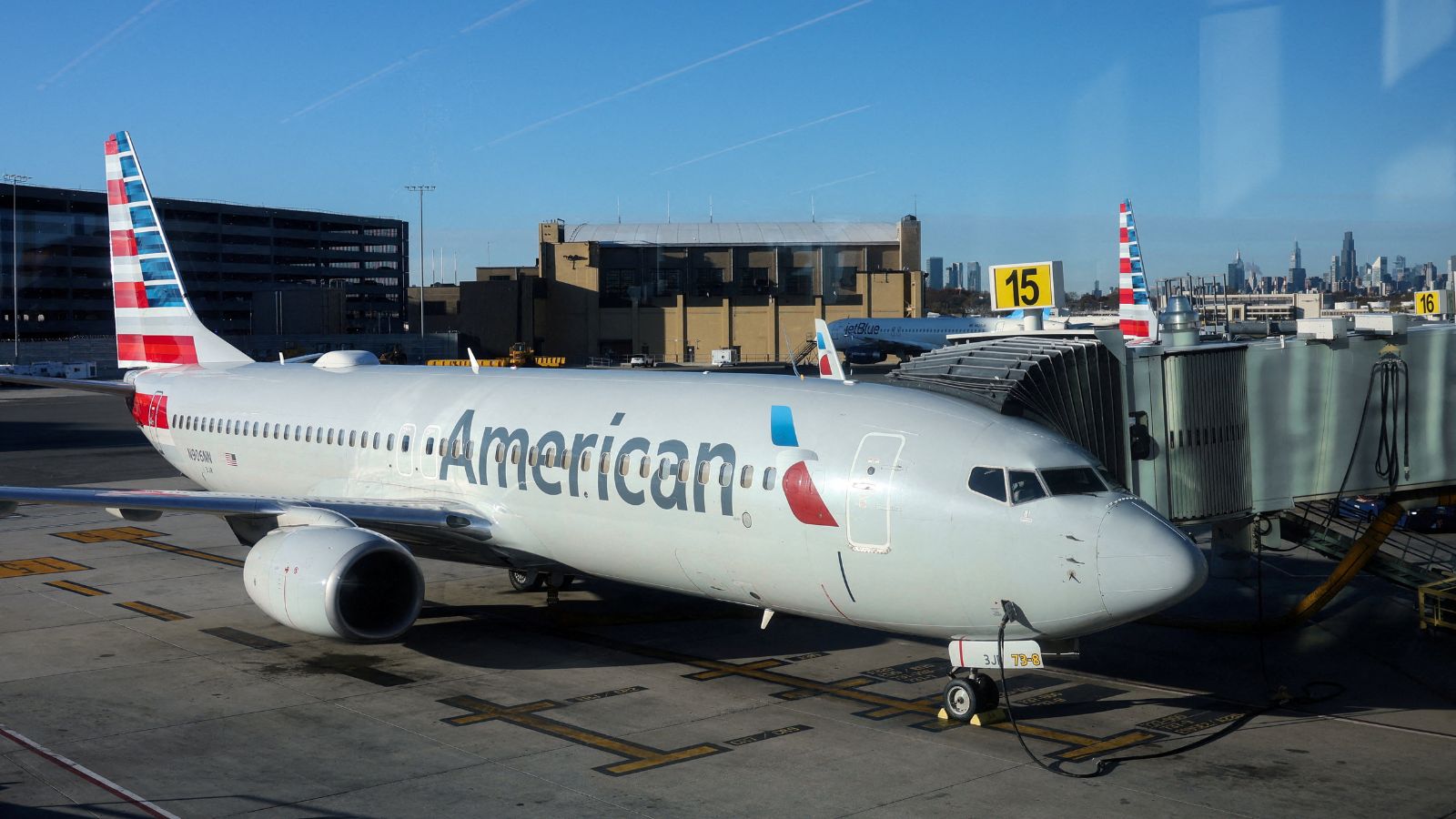
An American Airlines flight hurtling toward Newark Liberty International Airport never reached its destination last week, forced down into Baltimore/Washington International Thurgood Marshall Airport after a passenger allegedly engaged in a violent physical disturbance that required flight attendants and fellow travelers to restrain him using industrial adhesive tape. Commercial aviation is reaching a tipping point where the social contract binding passengers in a metal tube at thirty-thousand feet is actively fraying.
This was not an isolated incident of simple drunkenness or a minor seat dispute. It represents a compounding crisis within the cabin environment. Federal Aviation Administration data confirms that unruly passenger incidents remain stubbornly elevated compared to pre-pandemic baselines, despite heavy civil penalties and a persistent federal zero-tolerance policy. When a flight is diverted because a human being loses control to the point where duct tape becomes the primary security apparatus of an aircraft, the breakdown goes far beyond one troubled individual. It points to a systemic failure in how airlines manage passenger stress, alcohol service, mental health screening, and crew protection.
The Anatomy of a Cabin Breakdown
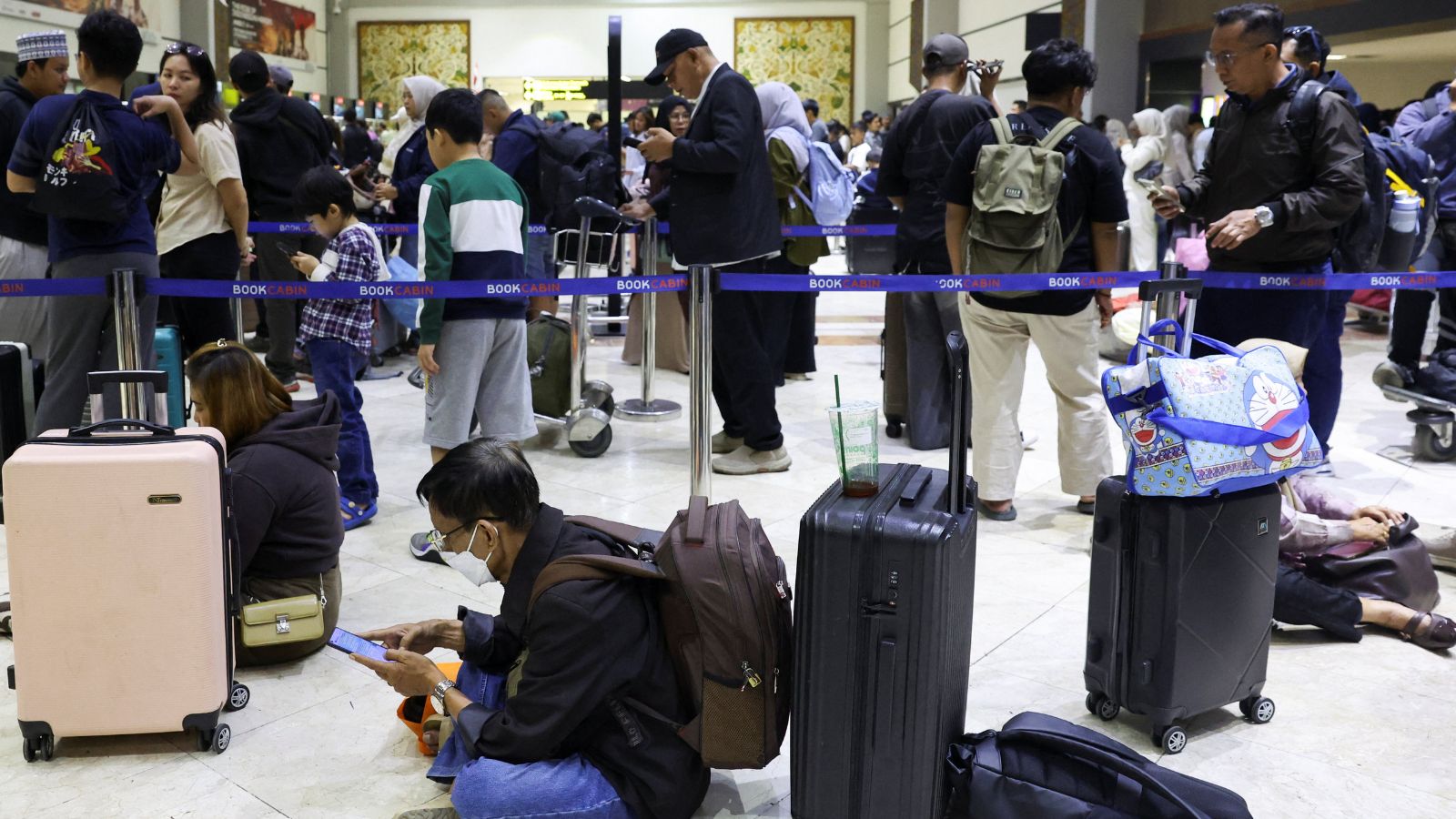
Modern air travel is designed to test human endurance. Airlines have compressed seat pitch, reduced galley space, and maximized passenger density to squeeze every possible margin out of operational economics. Passengers board already primed for conflict. Delays pile up in terminals managed by outdated infrastructure. Gate agents face the brunt of consumer frustration, and by the time travelers strap into cramped quarters, cortisol levels are elevated.
When alcohol enters this pressurized equation, the margin for safety shrinks to zero. While airlines officially prohibit passengers from consuming personal alcohol onboard, the transition from terminal bars to cabin service creates an invisible conveyor belt of intoxication. Flight crews are caught in an impossible bind. They are safety professionals trained to evacuate a burning fuselage in ninety seconds, yet they are simultaneously expected to act as de facto bouncers, bartenders, and psychological crisis negotiators at thirty-thousand feet.
Restraining a violent individual with duct tape looks cinematic on social media feeds, but it is a terrifying operational emergency for everyone onboard. Cabin crew members lack the legal immunities, specialized non-lethal tactical gear, and comprehensive hand-to-hand combat training afforded to law enforcement officers. They rely on zip ties, flex cuffs, and whatever materials are immediately accessible in the galley. The fact that duct tape remains a functional instrument of last resort exposes the primitive state of onboard security options available between pushback and touchdown.
Economic Pressures and Crew Strain
Behind every emergency diversion lies a complex chain of economic and operational consequences. Diverting an aircraft like an American Airlines Airbus or Boeing narrowbody to an unplanned station disrupts crew duty time limits, triggers cascading flight cancellations, burns thousands of pounds of costly jet fuel, and inconveniences hundreds of connecting passengers.
Airlines calculate these disruption costs into their annual balance sheets, treating unruly passenger incidents as an unavoidable cost of doing business rather than a systemic crisis demanding structural transformation. Yet the human toll on flight crews rarely appears on financial ledgers. Flight attendants absorb the psychological trauma of physical assaults, verbal abuse, and the high-stakes adrenaline spike of managing an active threat mid-flight.
Turnover rates among regional and mainline flight attendants remain a quiet emergency for carrier human resources departments. The job is no longer just about service and safety instructions; it requires an acute hyper-vigilance against unpredictable violence. When experienced crew members leave the profession because the cabin environment has become hostile and unprotected, the collective safety margin of the entire industry degrades.
The Regulatory Loophole
Federal law prescribes severe criminal penalties for interfering with flight crews, including fines up to thirty-five thousand dollars and potential felony prison sentences. The Department of Justice and the Federal Aviation Administration have repeatedly publicized these enforcement numbers to deter disruptive behavior.
Yet deterrence relies on the rational calculation of consequences by individuals who are often behaving entirely irrationally. Intoxication, psychiatric episodes, panic attacks, and severe oxygen deprivation at altitude combine to distort judgment. Threatening a heavy fine to someone in the middle of a psychotic break or a chemically induced rage is entirely ineffective.
Furthermore, the legal handoff when a flight is diverted is fraught with jurisdictional complications. Local law enforcement officers meet the aircraft on the tarmac, but determining whether federal prosecutors will pick up the case depends on the severity of the assault and the availability of investigative resources in the diversion city. Perpetrators are occasionally released with minor local citations if federal authorities decline immediate jurisdiction, leaving frontline airline employees feeling abandoned by the legal apparatus designed to protect them.
Rethinking the Cabin Environment
Solving this crisis requires moving past punitive fines and relying on reactive measures like duct tape. Comprehensive reform must start on the ground long before the boarding door closes.
- Pre-Boarding Screening Protocols: Airport concessionaires and terminal bars must share responsibility for over-serving passengers who subsequently board flights in states of advanced intoxication.
- Standardized Non-Lethal Equipment: Cabin crews require better tactical tools than zip ties and tape, accompanied by mandatory, advanced de-escalation and physical containment training.
- Federal Air Marshals Expansion: Increasing the presence of covert law enforcement personnel on high-risk domestic routes would reintroduce a tangible deterrent inside the cabin.
- No-Fly Interline Databases: Creating a unified, shared database across all major carriers for passengers banned for unruly behavior would prevent dangerous individuals from simply booking a competitor's flight the following day.
The normalization of mid-air violence and the reliance on makeshift restraints signal that commercial aviation is operating past its structural comfort zone. Until carriers, regulators, and airport operators treat cabin security as a holistic continuum rather than an in-flight nuisance, flights will continue diverting to unexpected runways, and duct tape will remain the fragile glue holding the system together.