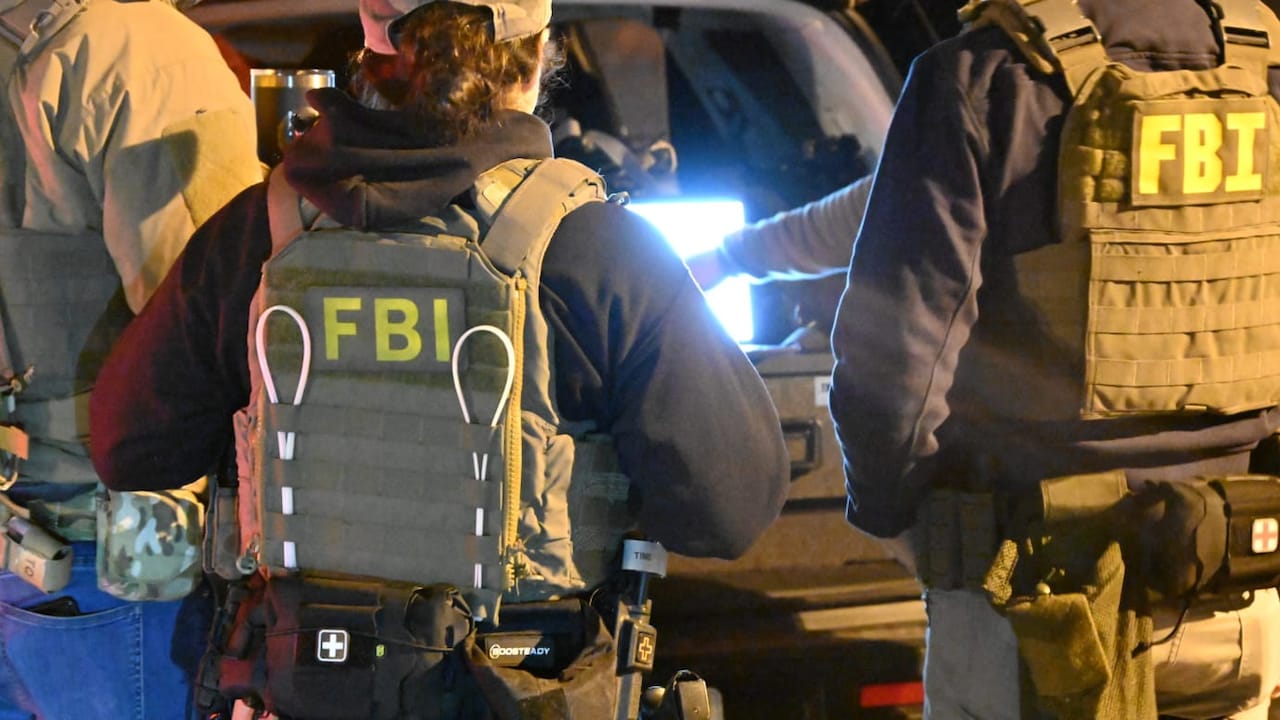
When an undercover FBI employee hands a teenager a rifle in exchange for six hundred dollars, the boundary between law enforcement and instigation dissolves completely. This is not a story about stopping a pre-existing plot in motion. It is an account of the state manufacturing the exact danger it claims to prevent, handing lethal hardware to a minor, and calling the outcome a successful arrest.
For decades, federal law enforcement agencies have utilized undercover operations, informants, and simulated threats to root out domestic extremists and violent actors. Yet, as the lines between preemptive surveillance and proactive manufacture of crime blur, a disturbing pattern emerges. When the government provides the weapon, suggests the target, and orchestrates the transaction, the operation ceases to be an investigation. It becomes a setup.
Understanding how federal agencies operate in these spaces requires looking past the press releases and examining the mechanics of domestic counterterrorism operations. The public usually encounters these cases only at the finish line, when a dramatic indictment is announced and a suspect is paraded before the courts. Behind that final headline lies a murky ecosystem of digital surveillance, confidential informants, and government-supplied hardware designed to catch vulnerable individuals in a web they lacked the means to construct on their own.
The Manufacturing of Threat
Every federal sting relies on a fundamental premise: identifying an individual who poses an imminent danger and intercepting them before harm occurs. But when an undercover employee or confidential informant supplies the firearm, the operation undergoes a profound mutation. The state is no longer neutralizing an existing threat. The state is supplying the capability.
Consider the mechanics of modern digital radicalization and surveillance. Algorithms flag erratic online behavior, extremist rhetoric, or alienated teenagers venting in dark corners of the internet. Instead of routing these minors toward mental health interventions, community support, or familial notifications, federal operations frequently lean into the digital noise. Undercover agents assume personas, validate extremist fantasies, and guide isolated youth down pathways they might otherwise have abandoned.
When an impressionable teenager expresses violent ideation online, an effective intervention redirects them. An entrapment-heavy investigation hands them a rifle.
The transaction of six hundred dollars for a firearm is symbolic. The minor does not walk into a licensed gun store, undergo a background check, or navigate the legal marketplace. They interact with an arm of the federal government acting as an illicit dealer. By stepping into the role of the supplier, the government crosses a crucial ethical and legal threshold. It bridges the gap between idle violent talk and tangible kinetic capability.
The Legal Fiction of Predisposition
In American jurisprudence, the defense of entrapment hinges on a notoriously difficult standard: predisposition. Prosecutors must prove that the defendant was already willing and ready to commit the crime, and that the government merely provided the opportunity. If the defense can show that the government implanted the criminal design in the mind of an otherwise innocent person, entrapment occurs.
In practice, this standard heavily favors the prosecution, particularly when dealing with defendants who possess internet search histories filled with hateful rhetoric or violent manifestos. Courts routinely rule that expressing disturbing views online constitutes sufficient predisposition to justify aggressive undercover operations.
This creates a dangerous feedback loop. A teenager can sit in a bedroom, posting offensive memes or violent fantasies born of severe isolation and mental distress. That digital footprint attracts federal attention. Undercover operatives then step in, nurture those fantasies through months of encrypted chat logs, and ultimately offer the operational means to execute an attack. When the arrest happens, the court looks at the initial chat logs and declares the suspect predisposed, ignoring the months of active cultivation by federal handlers.
The legal system struggles to evaluate the psychological reality of modern adolescence. Teenagers are uniquely susceptible to peer pressure, ideological validation, and digital manipulation. When an adult federal operative spends weeks or months posing as a trusted comrade in arms, the minor views that figure through a lens of intense validation. The weapon exchange is not a detached commercial transaction; it is the culmination of a manufactured relationship designed to produce a specific, headline-generating arrest.
The Cost of Preemptive Policing
Defenders of aggressive stings argue that the alternative is unthinkable. In an era marked by mass violence and lone-actor attacks, waiting for a troubled individual to acquire a weapon independently could result in catastrophe. The logic of national security prioritizes interception over restraint, favoring high-profile takedowns that demonstrate vigilance to oversight committees and the public.
Yet this calculus ignores the systemic costs. Every resource poured into orchestrating a sting against an isolated teenager with no independent access to resources is a resource diverted from genuine, complex criminal conspiracies. Furthermore, these operations corrode public trust in institutions that are supposed to uphold the law. When communities learn that the government acted as the primary facilitator in arming a minor, cynicism deepens, and legitimate counterterrorism efforts suffer from pervasive skepticism.
The psychological fallout for the families involved is catastrophic. Parents often discover their child's radicalization only when federal agents smash down their doors—unaware that the weapon their child possessed was delivered by the very agency making the arrest. While accountability for violent intent remains essential, the complicity of the state in providing the instruments of destruction demands rigorous oversight and fierce public debate.
Holding law enforcement accountable for the creation of danger requires a fundamental shift in how oversight bodies evaluate investigative methods. If an operation requires the government to act as the arms dealer, the financier, and the tactical advisor, it is no longer policing. It is theater. And the price of that theater is paid in civil liberties, institutional credibility, and the lives of young people manipulated into crimes they never had the capacity to commit alone.