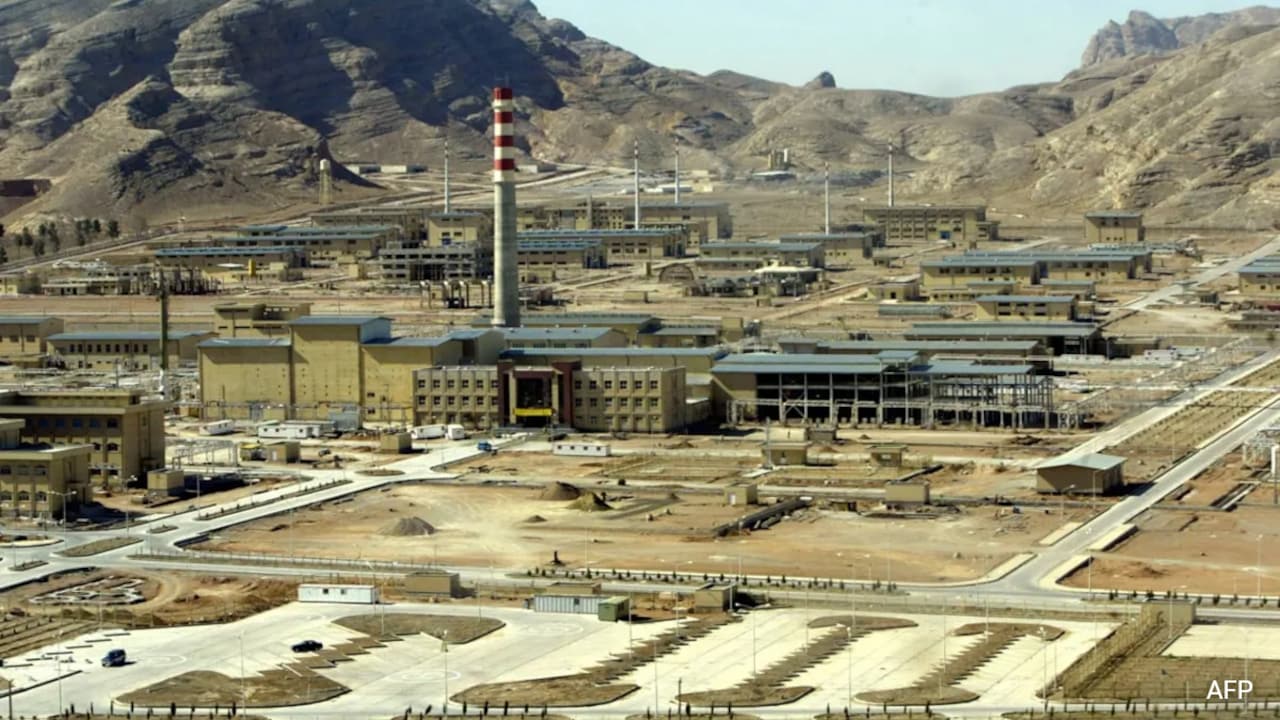
High-resolution satellite imagery doesn't lie. When the dust settled over Tehran following intense military strikes, intelligence analysts started looking from above to see what actually happened. What they found at sites like Minzadehei wasn't total defeat. Instead, commercial imagery providers and open-source intelligence groups captured heavy machinery, active cleanup efforts, and earthmoving operations clearing away the wreckage of bombed installations.
If you think a single round of airstrikes permanently erases a deeply entrenched nuclear program, you haven't been paying attention to how modern states protect high-value assets. Tehran isn't packing it in. They're digging deeper and patching things up.
What the Eyes in the Sky Actually Captured
Commercial satellites operated by firms like Planet Labs and analyzed by groups like the Institute for Science and International Security paint a very specific picture. Following strikes earlier in the year, sites identified by defense officials as critical nodes for nuclear research didn't turn into ghost towns.
Instead, overhead tracking showed a clear sequence:
- Immediate post-strike imagery revealing deep craters and collapsed roofs.
- Weeks of intensive debris removal and structural clearing.
- Sudden spikes in routine vehicle traffic, heavy transport trucks, and earthmoving equipment.
This isn't random construction. Analysts point out that the swift resumption of activity indicates an organized effort to reconstruct research, development, and adaptation infrastructure. While international watchdogs like the IAEA remain locked out of key facilities, these orbital snapshots are basically the only window the world has into what's happening on the ground.
Why Hitting Underground Compounds Isn't Enough
People assume a bomb hits a target and the problem goes away. Reality is messier. Much of Iran's sensitive infrastructure is burrowed into hillsides or hidden beneath urban outskirts. Surface damage looks dramatic on evening news broadcasts, but subterranean chambers often survive structural collapse or can be re-excavated.
When intelligence sources note that equipment or scientific talent may have been preserved, it means the core capability survives the blast. Rebuilding surface structures or clearing tunnel entrances is just the administrative cost of doing business for a regime determined to keep its nuclear ambitions alive.
The Broader Game of Cat and Mouse
The diplomatic fallout matches the physical rebuilding. While regional talks stall and tensions flare across the Middle East, the physical work captured by satellites tells a story of defiance. Iran keeps funneling strained economic resources into military reconstruction, betting that international fatigue will set in before their capabilities are permanently neutralized.
Monitoring these sites from space has become a high-stakes game. Every new truck spotted on a Planet Labs frame triggers fresh urgency in Western capitals. Until inspectors get unrestricted access back on the ground, those pixels from orbit remain the ultimate reality check on whether airstrikes can ever truly stop a determined nuclear program.