The friction characterizing the frontier between Pakistan and Afghanistan is frequently misdiagnosed as routine border posturing. In reality, it represents a structural fault line rooted in asymmetric security dilemmas, competing models of sovereignty, and the operational limits of state control across rugged terrain. To understand who holds the advantage along this frontier requires moving past sensationalized headlines and examining the underlying variables: logistical capacity, intelligence architectures, ideological coherence, and the economic costs of protracted escalation.
The Structural Mechanics of the Border Dispute
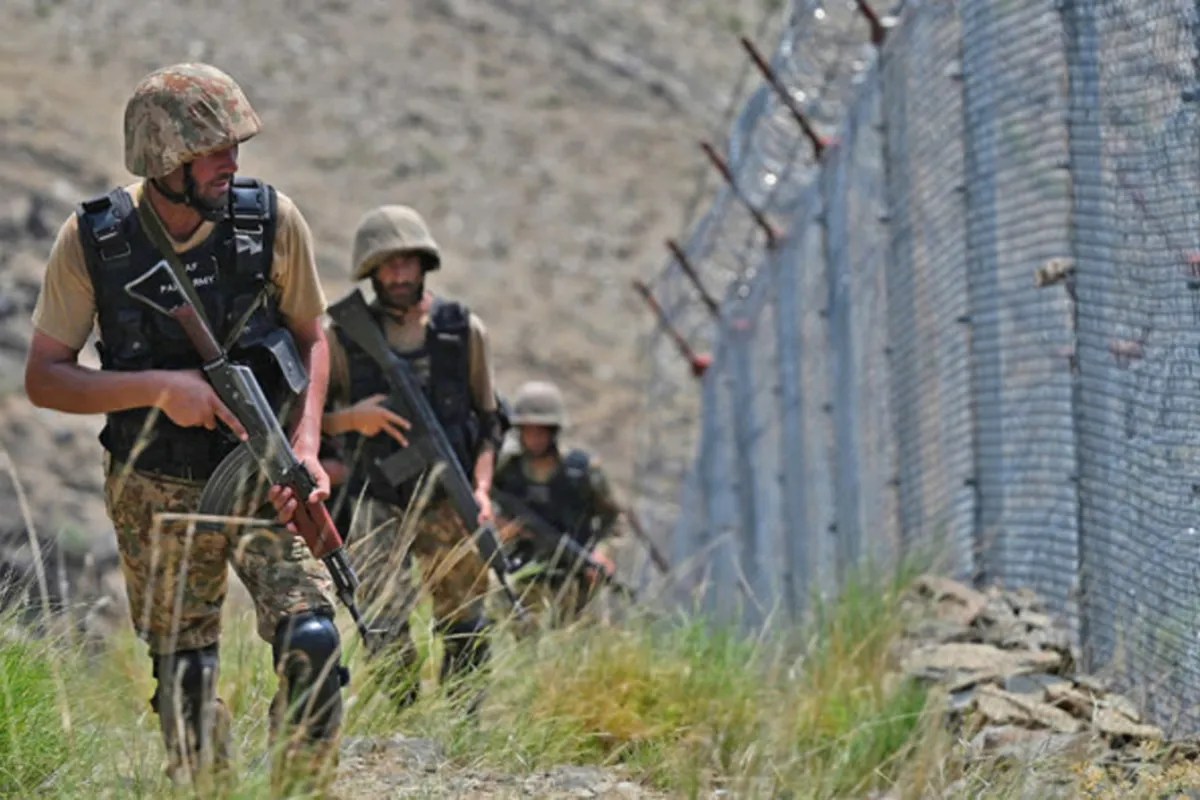
The core driver of instability is not merely tactical skirmishing at crossings like Chaman or Spin Boldak, but a fundamental disagreement over legal geography. Pakistan views the 2,640-kilometer colonial-era demarcation as an international boundary, hardened by multi-billion-dollar fencing projects, biometric surveillance, and closed transit corridors. Kabul, regardless of its regime type, has historically viewed the line through a different lens, citing tribal continuity across the Pashtun belt.
This divergence creates a permanent security dilemma. For Islamabad, sealing the perimeter is an existential necessity to stem cross-border infiltration by insurgent networks like the Tehreek-e-Taliban Pakistan. For the authorities in Kabul, enforcing rigid restrictions disrupts centuries-old nomadic, economic, and familial migration patterns, creating domestic political friction and incentives for non-state actors to exploit the borderlands as an operational gray zone.
Assessing Strategic Positioning
Determining which side holds the upper hand requires evaluating military-technological capabilities against asymmetric resilience.
Conventional Power Projection
Pakistan maintains a decisive advantage in conventional metrics. Its armed forces possess superior logistics, air power, artillery dominance, and integrated command structures. When kinetic escalations occur, Islamabad can concentrate firepower rapidly and sustain operations through established supply lines. However, conventional superiority faces diminishing returns in mountainous terrain where heavy armor and mechanized units are neutralized.
Asymmetric and Ideological Resilience
Conversely, the Afghan side leverages deep geographic familiarity, terrain-asymmetric mobility, and an entrenched culture of frontier resistance. State authority in Kabul utilizes ideological cohesion and cross-border tribal loyalties as strategic depth. Because insurgent groups can seamlessly blend into local populations on both sides of the line, conventional military superiority struggles to achieve permanent deterrence or territory-clearing permanence.
The Economic Cost Function
Border closures impose asymmetric financial penalties. Both economies rely heavily on regional trade corridors, yet the leverage points differ structurally:
- Transit Dependency: Landlocked Afghanistan depends heavily on Pakistani ports for international trade. Prolonged border shutdowns choke commercial flows, resulting in acute scarcity of essential goods and plunging customs revenues for Kabul.
- Security Expenditure: Pakistan incurs heavy fiscal costs through continuous militarization of the frontier, counter-insurgency operations, and infrastructure maintenance for border fencing. These expenditures strain public finances during periods of macroeconomic adjustment.
When trade corridors are weaponized as diplomatic instruments, both states absorb self-inflicted economic damage, reducing the utility of prolonged coercion.
Strategic Outlook
Resolution along this frontier remains constrained by the absence of a shared security framework. A durable equilibrium requires moving away from kinetic tit-for-tat exchanges toward institutionalized bilateral mechanisms governing counter-terrorism and trade facilitation. Until both actors align their security imperatives regarding militant safe havens, the border will remain a volatile gray zone characterized by intermittent escalation, high friction, and tactical stalemates.