For years, Porsche was the untouchable golden child of the automotive world. It didn’t matter what happened to the economy or the rest of the Volkswagen Group. Porsche sold cars, made obscene profit margins, and kept the shareholders happy. But the headlines coming out of Stuttgart in 2026 tell a different story. Operating profits have plummeted, the China market is shrinking, and the workforce is bracing for cuts.
It is easy to blame the macro environment—geopolitical instability, tariffs, and a cooling global luxury market. Everyone is using those excuses. But if you look closely, the problem isn't just external. Porsche is suffering from a classic case of over-reliance on a model that stopped working years ago.
The China reality check
For a decade, Porsche treated China like an infinite ATM. It was the market that saved them during European recessions and funded their expensive forays into electric vehicles. The strategy was simple: ship cars, collect cash, repeat.
That cycle is broken.
In 2025, sales in China didn't just dip—they cratered. We are talking about a 26% decline, and the forecast for 2026 isn't much better. This isn't just about economic cooling. It is about a fundamental shift in what the Chinese consumer wants. Local manufacturers are no longer just making cheap copies of Western cars. They are building high-end, tech-heavy electric vehicles that, frankly, give many buyers what they actually want.
Porsche banked on the badge being enough to carry them through. It turns out that when your product is being out-teched and underpriced by local competitors, heritage only gets you so far. The reliance on China as a volume driver wasn't just a business strategy; it was a crutch. Now that the crutch is gone, the company is stumbling.
The profit margin crash
If you want to understand the severity of the situation, forget about revenue numbers. Look at the operating margin. A few years ago, Porsche was sitting comfortably above 14%. That is the kind of number that makes investors drool. In 2025, that number fell to roughly 1.1%.
Think about that for a second. A company that essentially printed money for years is now barely breaking even on its core automotive operations. Why? Because the cost of pivoting to electric is astronomically high, and the sales volume isn't there to offset it.
Porsche has been pouring billions into battery subsidiaries, software, and restructuring, all while demand for its EV lineup has been tepid at best. The combustion engine models are still keeping the lights on, but the transition to "all-electric everything" has been a fiscal drain. The company is currently paying a massive tax for being too slow to adapt and too optimistic about how quickly the market would move to battery power.
Why the job cuts are inevitable
Whenever you hear about job cuts, the corporate press release usually talks about "streamlining" or "efficiency." Let's be honest about what is actually happening. Porsche has become a bloated organization. When you have years of endless growth, you add layers of management. You add bureaucratic processes. You add complexity.
Now that the growth has stopped, those layers are dead weight.
The announced job cuts are not just about saving a few million in payroll. They are a structural necessity to survival. The company is trying to pivot from a volume-focused manufacturer back to a specialist sports car builder. You cannot be a niche, high-margin brand if you have the operational overhead of a mass-market car giant.
This is going to be a painful process for the employees involved, but from a purely business standpoint, it is the only way forward. If Porsche is going to fix its profit margins, it has to get leaner. It has to cut the bureaucracy that has been building up since the mid-2010s.
The product identity crisis
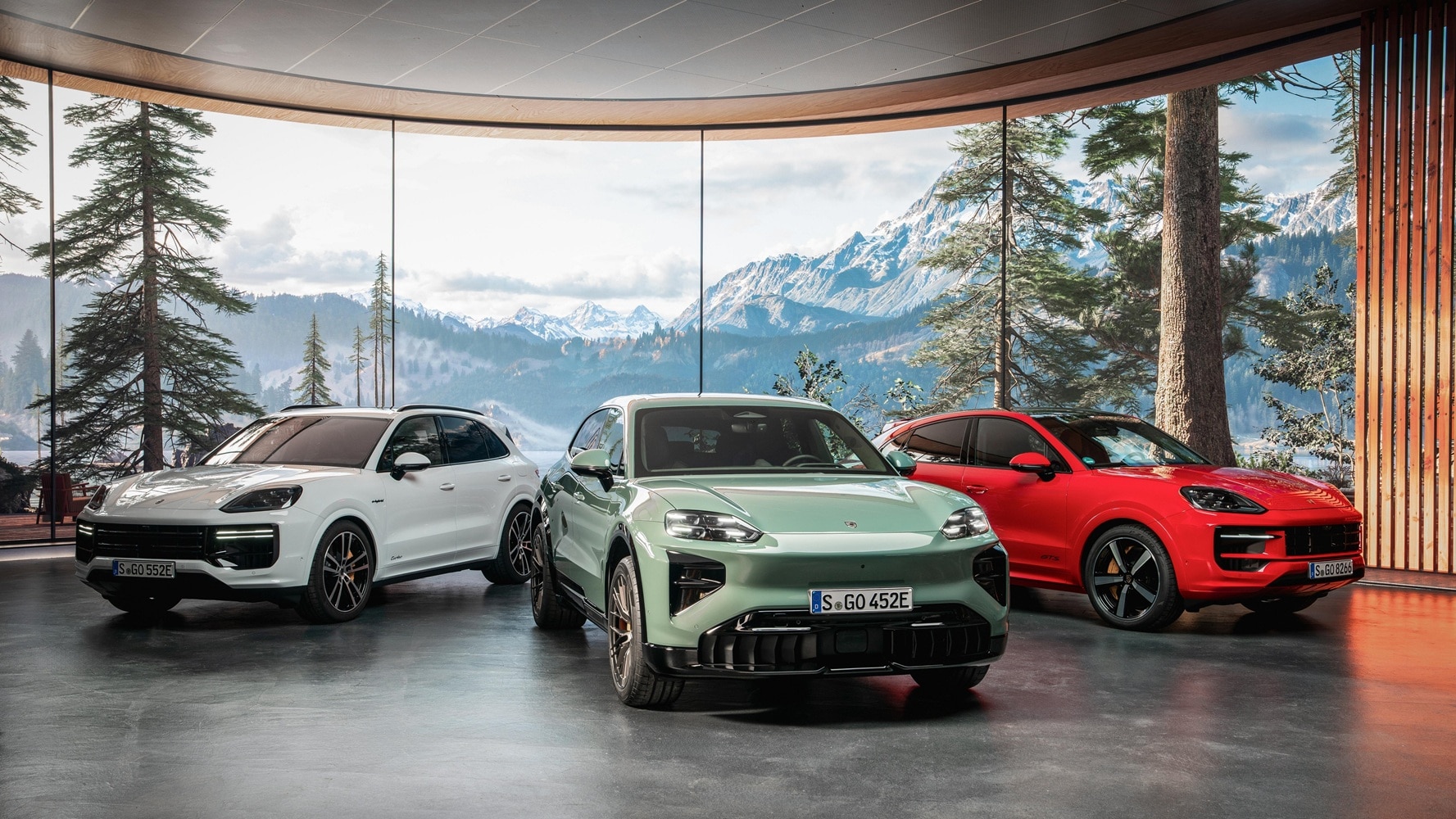
There is an underlying tension within the brand right now. You can feel it if you talk to enthusiasts or walk through a showroom. Porsche is trying to be two things at once: the savior of the internal combustion engine and the leader of the electric revolution.
Trying to do both is expensive. It is confusing.
The decision to keep the combustion engine alive for as long as possible is a smart hedge, but it creates a split in the engineering budget. You have the R&D team trying to make the last generation of gas engines compliant with global regulations, and another team trying to make the next generation of EVs competitive.
The market, however, is sending a signal. The 911 is still selling like crazy because it is the 911. It is a known quantity. The EVs are struggling because they are competing in a market crowded with cheaper, faster, and arguably more advanced tech.
The lesson here is simple. People don't buy Porsche for a battery. They buy Porsche for the soul of the machine. The further the brand drifts away from that—by focusing too much on software and charging specs—the more it risks losing the very customers who built its reputation.
What to expect next
Don't expect a quick turnaround in 2026. The company has already warned that the fiscal year will be challenging. They are dealing with one-off charges from their restructuring, the wind-down of unprofitable battery projects, and the ongoing mess of US tariffs.
If you are an observer or an investor, ignore the quarterly sales growth fluff. That doesn't matter right now. Watch two things instead.
- Operating margins. Can they get that 1.1% figure back into double digits? If they can't, the current "turnaround" is failing.
- Product differentiation. Are the new models genuinely feeling like a Porsche, or are they just another generic EV with a crest on the hood?
The company is going to return to its roots of "value over volume." This means we will likely see fewer cars being made, higher price points, and even more bespoke customization options. They are trying to shrink their way back to profitability. It is a high-stakes gamble. If they can pull it off, they might regain their position as the most profitable automaker in the world. If they fail, they will just be another luxury brand struggling to stay relevant in a world that has moved on.