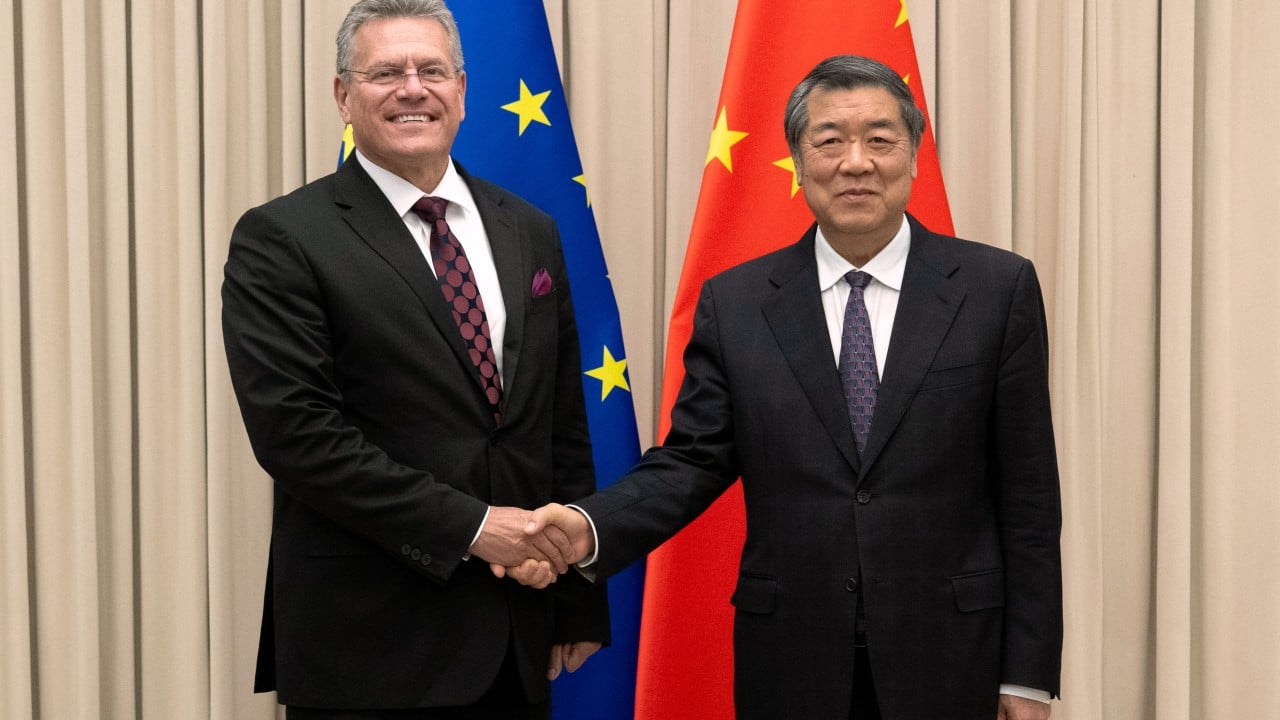
The temporary reprieve granted to automakers across Beijing and Brussels does nothing to solve the underlying structural war. Behind closed doors, trade negotiators have papered over billions of dollars in state-subsidized overcapacity with a fragile pricing floor, mistaking a ceasefire for a lasting settlement.
That temporary deal between China and the European Union aimed to defuse an escalating trade conflict over electric vehicles, setting minimum import prices to stave off sweeping punitive tariffs. Yet, veteran observers of industrial policy recognize this agreement for what it is: a tactical pause in a protracted economic realignment. Brussels faces unrelenting pressure from domestic manufacturers watching their profit margins erode, while Beijing is determined to export its way out of a domestic property slump.
Neither side can afford a full-scale trade war, but neither side is willing to cede ground on the future of global automotive dominance.
The Anatomy of a Forced Compromise
To understand why this truce remains exceptionally fragile, look at the math driving both capitals. European legacy automakers spent decades outbuilding rivals through internal combustion engineering, only to find themselves flat-footed during the transition to battery-electric powertrains. Chinese firms, backed by direct provincial funding, cheap supply chains, and vertical integration, arrived at European ports offering comparable battery range and software sophistication at a fraction of the cost.
Brussels responded with anti-subsidy investigations, threatening cumulative tariffs that would have effectively priced Chinese electric vehicles out of major continental markets. Beijing countered by launching probes into European agricultural goods and brandy, signaling that any protectionist wall would invite swift retaliation.
The resulting minimum pricing framework tries to square an impossible circle. It attempts to neutralize what European officials call unfair state aid without entirely cutting off European consumers from affordable green technology. By substituting blanket tariffs with price floors, negotiators hoped to preserve market competition while protecting local factory jobs.
However, price floors introduce perverse incentives. If Chinese manufacturers cannot compete on price alone, they will compete on features, software integration, and brand prestige, eating away at the mid-market territory that traditional European brands rely on for survival.
Structural Overcapacity and the Export Imperative
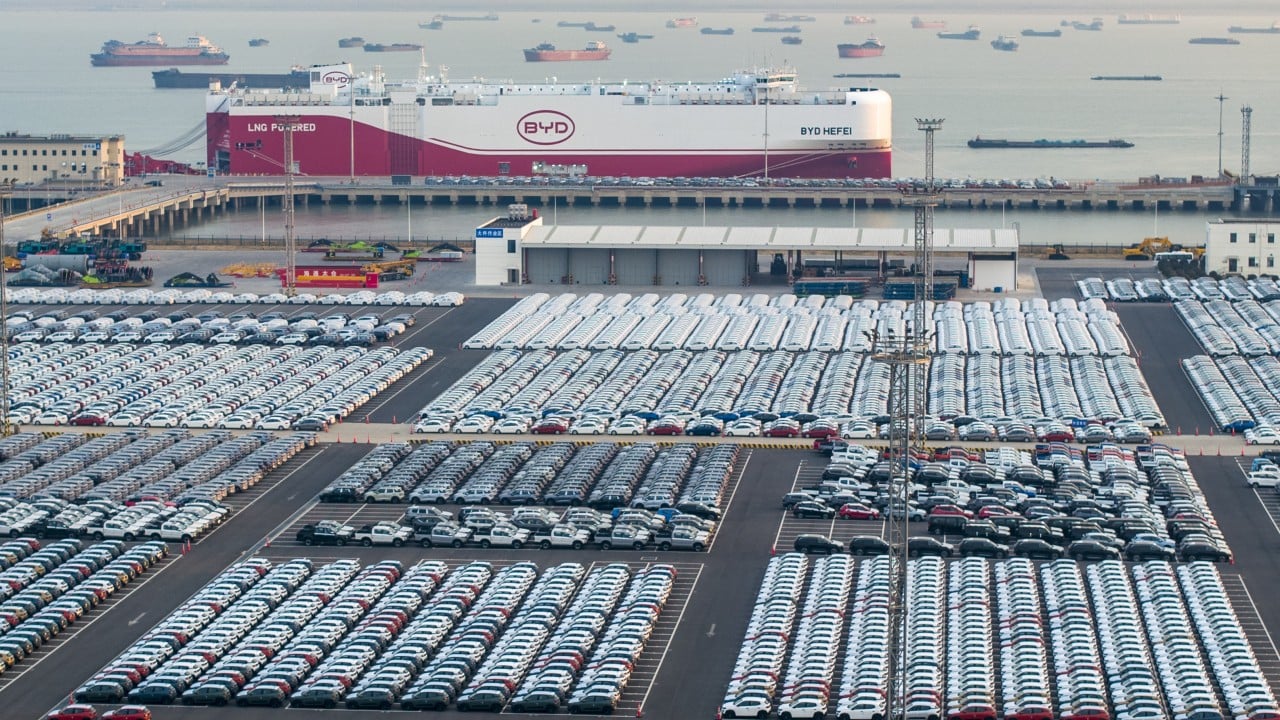
The root cause of this friction extends far beyond customs duties or tariff rates. China's domestic automotive sector suffers from severe overcapacity. Years of aggressive municipal subsidies for electric vehicle production created dozens of domestic brands that the local market cannot possibly absorb.
When domestic demand plateaued, factories kept running to maintain employment numbers and local tax revenues. The resulting inventory had to go somewhere. European markets, with their ambitious carbon-reduction mandates and relatively open borders, became the primary release valve.
European industrial strategists understand this dynamic all too well. They watched the solar panel industry vanish under a similar wave of subsidized imports a decade ago. Allowing the domestic automotive ecosystem to collapse carries catastrophic political and economic consequences. Automakers and their extensive supply chains account for millions of private-sector jobs across Germany, France, and Italy.
Politicians in Berlin and Paris cannot simply allow their industrial base to be hollowed out without a fight, regardless of how much cheaper consumer electric cars might become in the short term. Beijing, conversely, views these exports as validation of its industrial strategy. Having successfully climbed the manufacturing value chain, Chinese regulators view foreign protectionism as an unfair attempt to lock in Western hegemony over advanced technologies.
The Compliance Nightmare and Evasion Tactics
Enforcing a complex web of minimum import prices creates a bureaucratic nightmare that invites widespread circumvention. Monitoring thousands of vehicle variants, battery capacities, and optional software packages requires regulatory oversight that customs agencies across the European Union are simply not equipped to handle.
Manufacturers will inevitably find workarounds. Some companies are already exploring the establishment of final-assembly plants within European borders, effectively turning imported knock-down kits into locally finished products to dodge price restrictions. Others might bundle high-end software licenses or charging packages separately from the physical chassis to game the official baseline valuation.
When governments attempt to fix prices in a dynamic, high-tech global market, they usually trigger a cat-and-mouse game between corporate compliance lawyers and customs inspectors. The current deal provides enough ambiguity for determined exporters to find loopholes, which will eventually prompt renewed complaints from European trade associations and force Brussels back into an aggressive posture.
Technology Transfers and the Next Battleground
While policymakers fixate on sticker prices, the real war has already shifted to technology ownership and supply chain control. Chinese battery giants and vehicle manufacturers are not merely exporting finished goods; they are positioning themselves as indispensable partners for the very European firms trying to keep them out.
Several heritage European brands, facing delays and cost overruns in their own next-generation software development, have quietly entered joint ventures and licensing agreements with Chinese suppliers. They need access to advanced battery chemistry and rapid software iteration cycles just to stay relevant.
This creates a profound strategic contradiction. European governments are building trade defenses at the border while their flagship industrial champions are becoming increasingly dependent on Chinese technological inputs beneath the hood. You cannot decouple two deeply intertwined industrial ecosystems simply by slapping a price floor on finished vehicles.
The Unresolved Horizon
The idea that trade tensions have eased is a comforting fiction for financial markets that hate uncertainty. The underlying structural imbalances remain entirely intact.
China still has too many factories, too many cars, and an urgent need to export. Europe still has an aging industrial infrastructure, high energy costs, and a political class terrified of deindustrialization.
As soon as sales figures dip or the next wave of advanced autonomous models hits the showroom floor, the fragile consensus holding this pricing agreement together will fracture. The next confrontation will not be about tariffs or minimum prices. It will be a fight over who controls the intellectual property and software architecture that defines personal mobility for the next fifty years.