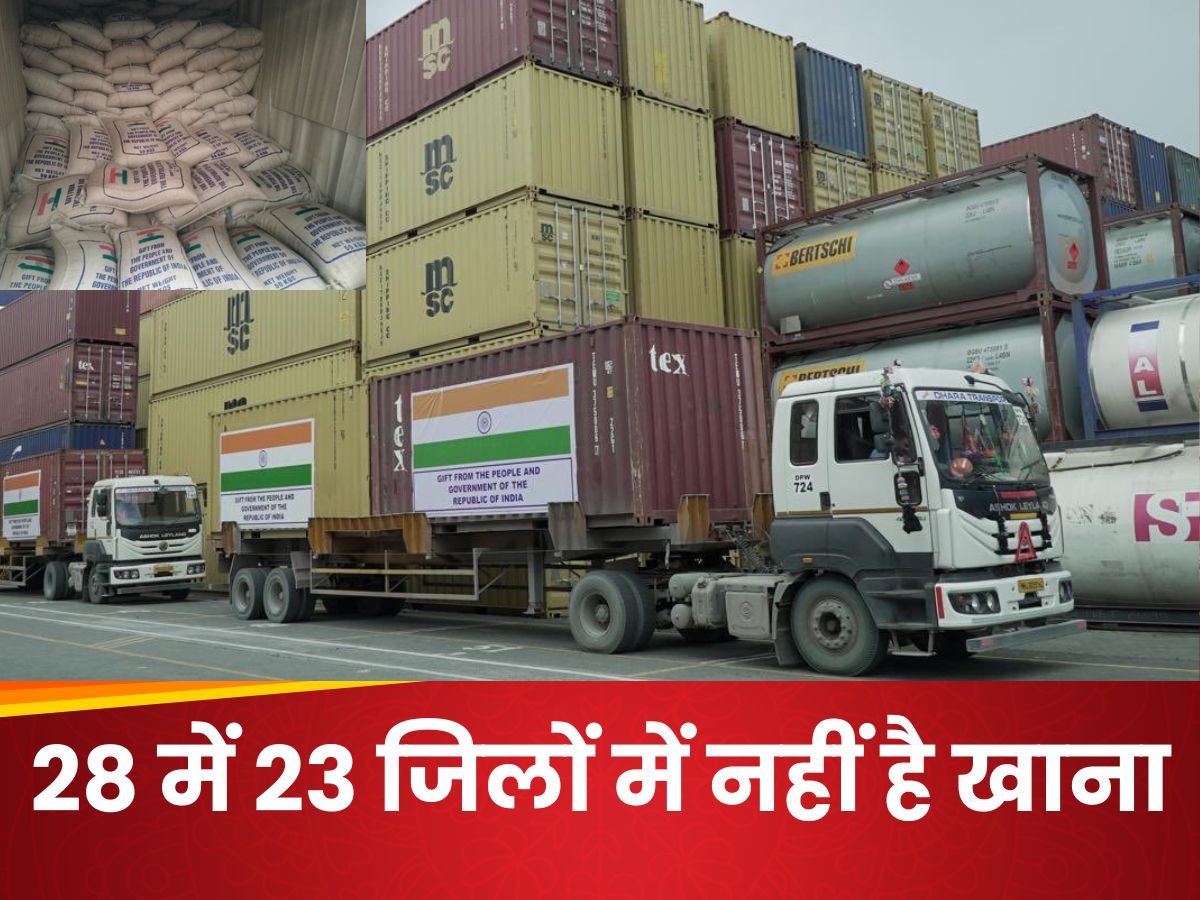
Access to life-saving medical treatment shouldn't depend on geography, yet global supply chains often make it that way. India recently changed that equation slightly by dispatching ten tonnes of anti-retroviral medicines straight to Botswana. This move is part of an ongoing effort to back the country's public health system and strengthen medical ties across the Global South.
If you look past the standard diplomatic headlines, this delivery highlights how international medical logistics actually work on the ground. Let's break down why this shipment matters, how Botswana manages its HIV response, and what this means for future health partnerships.
The Real Logistics Behind Pharmaceutical Aid
Shipping ten tonnes of specialized medication isn't just about packing a few boxes and putting them on a cargo plane. Anti-retroviral therapy (ART) drugs require strict temperature controls, precise inventory tracking, and coordinated distribution networks once they land.
When a nation faces supply gaps, rushing bulk shipments can prevent severe treatment interruptions for patients living with HIV. Botswana has historically maintained a robust public health response to HIV, but maintaining steady pharmaceutical pipelines requires constant international cooperation. External Affairs Minister S Jaishankar highlighted this initiative as a core part of India's commitment to sharing medical resources with partner nations.
Botswana and the Global South Health Partnership
Medical diplomacy often gets written off as a buzzword, but tangible shipments like these fill immediate gaps in public clinics. India has increasingly positioned itself as a reliable pharmacy for developing nations, leveraging its massive generic manufacturing capabilities to supply affordable essential medicines.
This latest dispatch to Botswana didn't happen in a vacuum. It aligns with broader bilateral discussions between India and African nations regarding health security, trade agreements, and pharmaceutical manufacturing capacity. Diversifying supply chains and ensuring that low- and middle-income countries aren't left stranded during health crises remains a massive priority for regional health authorities.
What Needs to Happen Next in HIV Treatment Access
Supplying ten tonnes of medicine provides immediate relief, but long-term sustainability requires more than one-off shipments. Experts point to several critical areas that healthcare systems must address to keep treatment affordable and accessible:
- Local manufacturing capabilities to reduce reliance on long-distance import routes.
- Streamlined distribution protocols to cut down bureaucratic delays at regional clinics.
- Continued international funding and patent flexibilities for essential medications.
Getting medications across borders is only half the battle. Making sure those drugs reach rural clinics without expiring or sitting in customs bottlenecks is where administrative grit truly matters.
Building resilient health systems takes years of consistent collaboration, predictable supply chains, and local empowerment. Shipments like this buy precious time and keep patients healthy while structural changes take root.