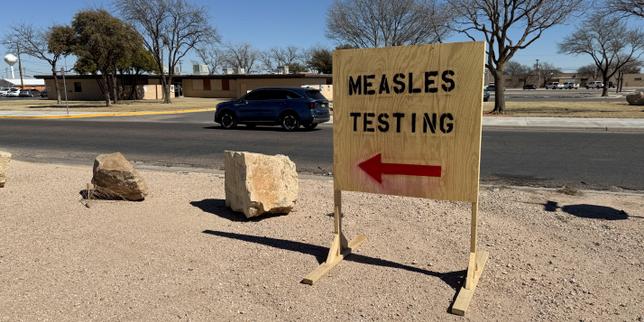
Public health crises rarely arrive with cinematic fanfare. They creep in through administrative blind spots, cultural hesitation, and the quiet erosion of communal trust. When modern medical historians look back at the measles resurgence that crossed the United States, they will not point to a single failure of science. They will point to a failure of human systems. Over three thousand cases and four deaths marked a stark statistical boundary, representing the highest recorded tally since 1991. For a disease declared eliminated from the United States in the year 2000, this milestone serves as an indictment of complacency.
Decades of public health success bred a dangerous form of historical amnesia. When a pathogen ceases to be visible in daily life, the collective memory of its severity fades. Parents who never witnessed a child suffer from acute encephalitis, secondary pneumonia, or permanent neurological damage began to view the preventative jab not as a life-saving shield, but as an optional lifestyle choice. The measles virus did not mutate into a stronger strain. It simply found populations where institutional protection had grown thin.
The mechanics of measles transmission make it an unforgiving indicator of societal health. It is among the most contagious infectious agents known to modern science. A single infected person can leave a trail of viral particles hanging in the air of an enclosed room for hours after they have departed, infecting up to ninety percent of susceptible individuals within striking distance. Herd immunity is not a political talking point; it is a mathematical reality. When vaccination coverage in a specific pocket drops below the ninety-five percent threshold, the mathematical barrier collapses. The virus moves through schools, waiting rooms, and community centers with terrifying efficiency.
Tracing the outbreak requires examining the geography of hesitation. Public health data consistently shows that outbreaks rarely cluster randomly. They follow lines of social networks, shared philosophies, and localized distrust in regulatory bodies. Over the past fifteen years, vaccine hesitancy shifted from a fringe phenomenon associated with specific counter-cultural enclaves to a mainstream anxiety fueled by digital algorithms. Social media platforms monetized outrage and fear, elevating fringe voices above epidemiologists who spent decades studying viral pathology. When algorithms reward sensationalism over consensus, public health becomes a casualty of the attention economy.
Institutional messaging share a portion of the blame. For years, public health authorities communicated with a top-down authoritarian tone that dismissed legitimate questions as ignorance. They relied on mandates rather than persuasion, bureaucratic jargon rather than transparent dialogue. When trust in federal agencies plummeted across multiple sectors, public health recommendations were inevitably dragged down with them. People stopped asking how the vaccine worked and started asking who stood to gain from its administration. That shift from scientific curiosity to institutional suspicion created an opening that bad actors and opportunistic influencers filled with ease.
The human cost of this epidemiological regression extends far beyond the raw numbers. Measles is rarely viewed by the general public as a fatal illness, yet the virus triggers a phenomenon known as immune amnesia. When the virus infects a host, it attacks and destroys memory cells within the immune system, effectively wiping out previous immunity to other pathogens. A child who survives measles may subsequently lose their natural defenses against influenza, strep throat, or other common childhood infections for months or even years afterward. The true toll of the outbreak includes the invisible burden placed on pediatric intensive care units and the long-term vulnerability of children whose immune systems were forced to relearn the world from scratch.
Fixing this vulnerability requires dismantling the rigid communication models of the past. Fact-checking websites and punitive social media bans have proven largely ineffective at changing minds; if anything, they tend to harden resolve among skeptics who view censorship as confirmation of a conspiracy. Real progress happens at the hyper-local level. Trusted community figures, pediatricians who take the time to listen rather than lecture, and open forums where parents can express genuine fears without being publicly shamed are the only tools capable of rebuilding eroded confidence.
The three thousand cases recorded in this recent wave are not merely a statistical anomaly. They are a loud, undeniable warning from a pathogen that preys upon human division. If public health agencies, local leaders, and communities fail to adapt their approach to trust-building, 1991 will no longer stand as the historical baseline for modern outbreaks. It will look like the good old days.