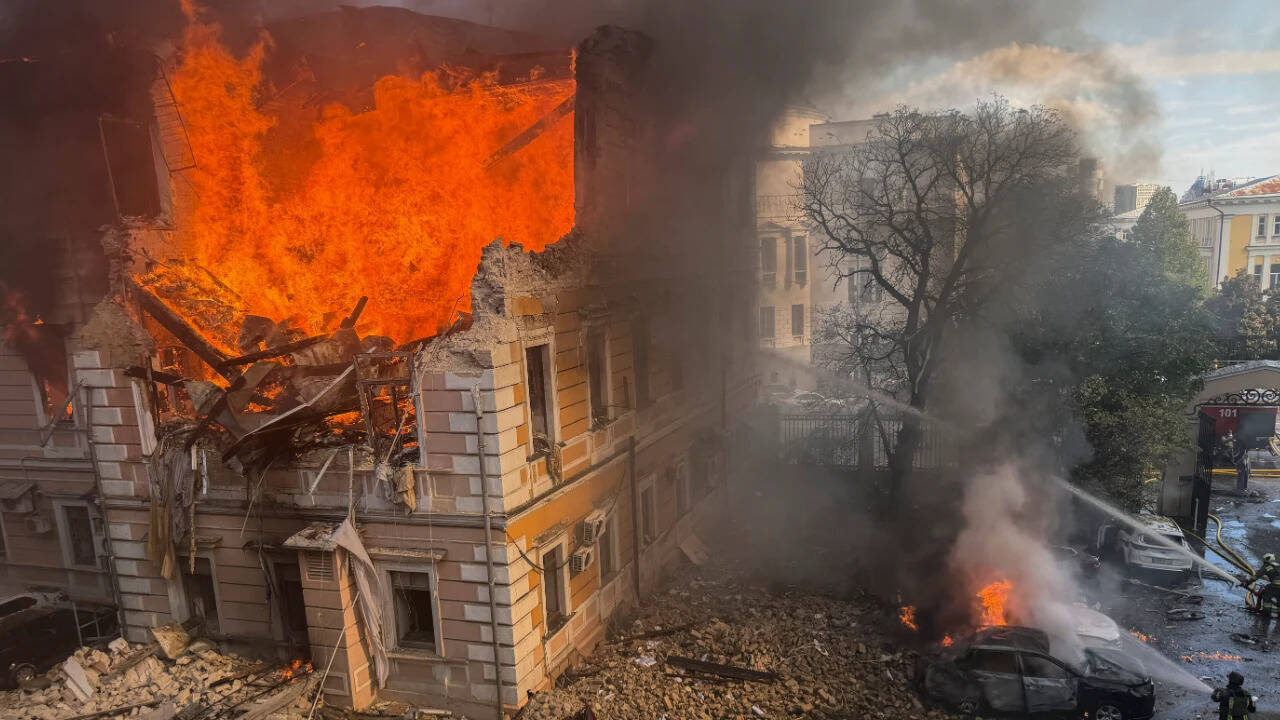
When the French state locks up five thousand teenagers in a matter of days, it is worth asking whether the Republic is defending public order or simply panicking. Over the autumn, more than twelve hundred high schools across the country experienced blockades, pickets, and burning barricades. The immediate trigger was chronic underinvestment—peeling paint, leaking roofs, missing instructors, and overcrowded classrooms that make learning resemble a holding pen. Yet the state response has relied less on dialogue and more on the truncheon, resulting in mass roundups of minors that evoke dark memories of past urban explosions.
To understand why teenagers are facing riot squads over dilapidated buildings, one must examine the widening chasm between Parisian budget arithmetic and suburban reality. The draft budget presented by the government offered a paltry spending increase that fell well below the rate of inflation. For students sitting in freezing classrooms with thirty-five peers, this translated into institutional abandonment. The state argues that demographic shifts dictate downward adjustments in spending. The youth on the streets counter that you cannot shrink your way to a functional future. If you found value in this article, you should look at: this related article.
Street protest is as French as the tricolor, a historic default setting when representative politics feels entirely closed off. Generations before them burned tires to preserve pensions or labor rights. Today's high schoolers are adopting those exact tactical blueprints, transforming school gates into flashpoints. But unlike traditional union marches, these spontaneous youth mobilizations lack formal hierarchy, making them volatile and prone to sudden escalation.
As trash cans turned into bonfires outside hundreds of establishments, the Ministry of the Interior flooded neighborhoods with security forces. Interior Minister Laurent Nunez reported the staggering arrest toll, framing the crackdown as a defense against outside agitators and urban vandals. Critics point out a darker reality. The heavy-handed tactics, including controversial enforcement methods that left students hospitalized with severe injuries, suggest a government terrified of imagery that mirrors past national uprisings. For another angle on this event, check out the recent update from The New York Times.
Parents find themselves caught in an awkward crossfire. Many understand the legitimacy of the grievances while abhorring the property damage. Some unions have stepped in to back the student mobilization, bridging the generational gap between exhausted teachers and rebellious pupils. Yet as the weeks stretch on, the initial solidarity faces friction from the sheer disruption to academic calendars. Exams loom, and institutional trust continues to erode on both sides of the barricade.
France student protests: 5,000 Arrested As Protests Spread Nationwide, 400 Schools Shut
This video provides an overview of the nationwide demonstrations and the massive police response that shut down hundreds of schools across France.