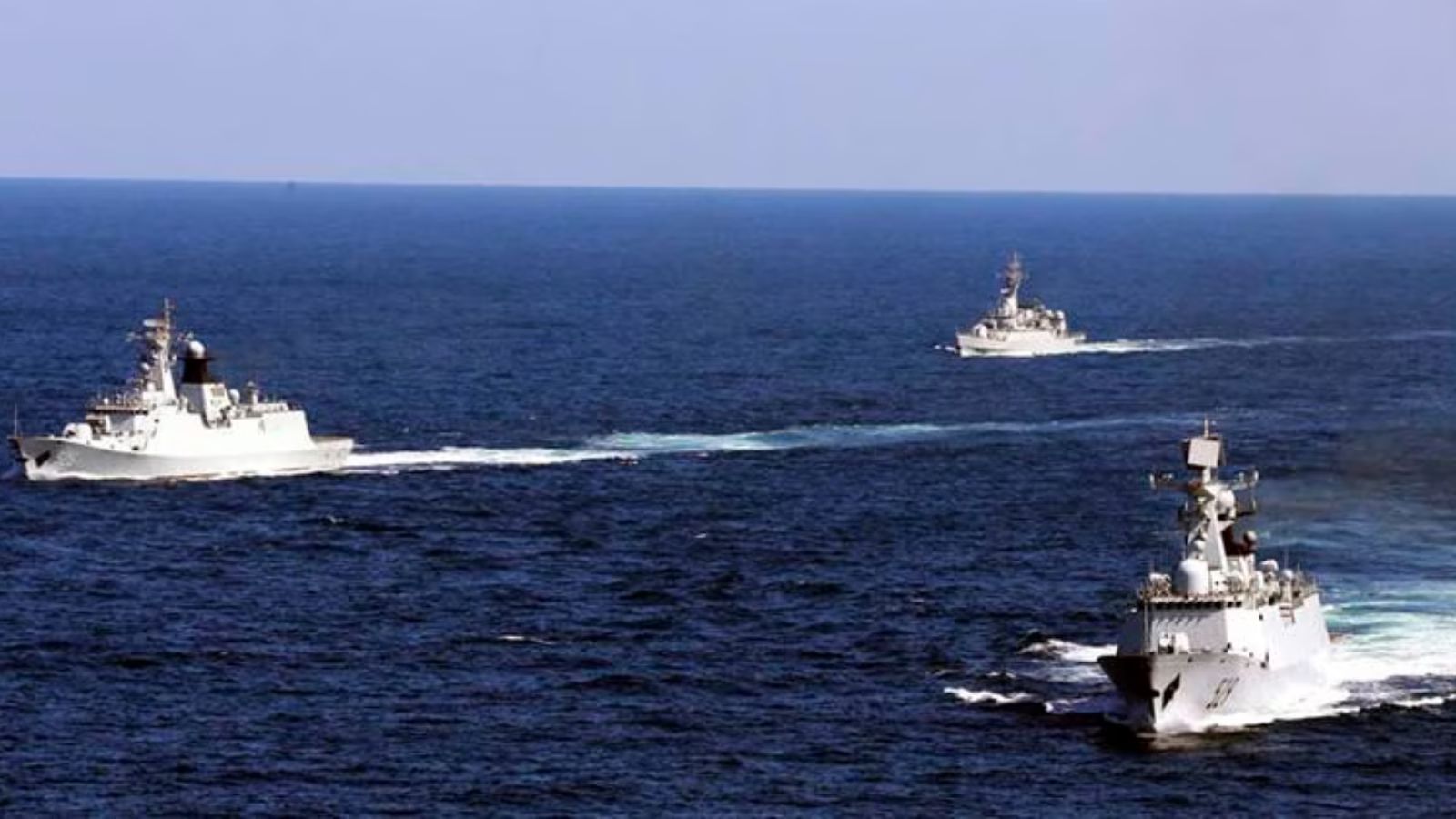
When a Danish uncrewed surface vessel patrolling near the island of Bornholm crossed paths with a Russian corvette, it did not trigger a traditional naval exchange of gunfire or warning sirens. Instead, the encounter played out as a silent, high-stakes game of electronic chess. Onboard artificial intelligence systems quietly classified hull numbers, cataloged crew members, and mapped radar signatures. This robotic confrontation in the Baltic Sea illustrates a new operational reality where autonomous machines observe one another in gray-zone waters, far away from public view.
The incident highlights a fundamental shift in how modern navies project power. Traditional deterrence relied on heavy steel, massive gun turrets, and the unmistakable presence of manned warships. Today, intelligence collection is increasingly delegated to expendable hardware. Denmark and Russia are turning the Baltic basin into a testing laboratory for unmanned systems.
The Anatomy of Robotic Friction
Geographic constraints make the Baltic Sea a uniquely congested theater. Enclosed by NATO members and the Russian exclave of Kaliningrad, the waterway leaves little room for operational ambiguity. Every square nautical mile is scrutinized.
When a Danish surface drone encounters a Russian warship known for escorting shadow fleet tankers, the interaction is rarely accidental. Both sides use autonomous assets to probe electronic defenses. The Danish drone captures high-resolution optical and thermal data, feeding intelligence pipelines back to Copenhagen. Simultaneously, Russian onboard sensors register the exact radar frequencies of the approaching vehicle, mapping its vulnerability profile.
This is not accidental surveillance. It is a calculated methodology of mutual probing.
- Autonomous surface vessels operate without risking human crews during close-quarters reconnaissance.
- Electronic intelligence gathering occurs continuously, mapping communication loops and sensor blind spots.
- Both nations normalize the presence of unmanned platforms in contested maritime corridors.
The Limits of Autonomous Deterrence
Machines do not suffer from fatigue, but they also lack human intuition. When automated targeting and classification systems take the lead in crowded maritime choke points, the margin for error shrinks dramatically. A computer algorithm reading a sensor reflection can misinterpret defensive posture as aggressive intent.
Consider a hypothetical scenario where an uncrewed platform experiences an encrypted communication blackout while navigating near sensitive subsea infrastructure. Without human operators able to verbally coordinate or alter course via immediate manual override, automated safety protocols might trigger evasive maneuvers that resemble a tactical attack.
Naval commands are deploying these systems faster than international maritime law can adapt. Traditional rules of the road at sea, written for captains peering through binoculars on bridge wings, provide little guidance for autonomous collision avoidance between rival military drones.
The Gray Zone Expansion
The appearance of uncrewed surface vehicles tracking each other near Bornholm is symptomatic of a broader decay in regional stability. Moscow and Western allies are increasingly fighting their proxy friction below the threshold of open warfare.
Subsea internet cables, energy pipelines, and offshore wind farms form an interconnected web of vulnerable infrastructure across the seabed. Traditional surface patrols cannot monitor every mile of pipe simultaneously. Deploying autonomous drones offers a cost-effective solution for surveillance, yet it floods an already tense environment with more moving parts.
The Baltic Sea is no longer just a body of water separating nations. It has transformed into an automated perimeter where algorithms dictate the first draft of international incidents. As more robotic hulls slip into the dark water, the distance between peaceful observation and accidental escalation grows dangerously thin.