Power is rarely measured in the thunder of falling iron or the sudden flash of artillery. More often, it is measured in silence. It is measured in the quiet click of a banking terminal closing an account thousands of miles away, or the deliberate pen stroke that severs an entire nation from the lifeblood of international trade.
Consider what happens next when policy turns into an invisible wall.
For decades, ordinary families in cities like Tehran wake up to a strange kind of weather. It is not made of clouds or rain, but of numbers. The cost of imported medicine climbs overnight. The savings a grandfather spent a lifetime accumulating quietly buy half of what they did last year. No sirens wail. No troops cross a border. Yet, the pressure mounts just as surely as any physical siege.
The strategy behind economic isolation relies on a grim calculus. By cutting off financial lifelines, targeting energy exports, and squeezing banking networks, governments attempt to rewrite the behavior of foreign capitals without firing a single shot. Washington announced another chapter in this ongoing campaign, aiming to tighten the economic noose around Iran and force a shift in regional dynamics.
But the real problem lies elsewhere.
When commerce freezes, the heavy machinery of state power rarely feels the coldest blow. The bureaucrats keep their offices. The architects of regional friction adapt. Instead, the weight settles squarely on the shoulders of teachers, shopkeepers, mechanics, and young people simply trying to build a future out of ordinary days. They become collateral damage in a high-stakes chess match played with currencies and commodities.
History teaches us a predictable rhythm. Financial pressure hardens resolve just as often as it breaks compliance. When an economy contracts, communities turn inward. They find informal networks, gray markets, and underground channels to survive. The state finds new ways to ration scarcity, directing dwindling resources toward its core survival while the edges fray.
Think of a river diverted by a concrete dam. The water does not simply vanish. It pools, it pushes against new boundaries, and it carves out desperate, unexpected paths around the obstruction.
The announcement from Washington is designed to project absolute authority, a reminder that the global financial system bows to the dominant currency of the West. Yet, every act of total isolation carries a hidden cost. It diminishes the influence of future diplomacy. It burns bridges that might one day be needed to broker peace. It replaces human interaction with a permanent standoff, frozen in time and guarded by mistrust.
We watch these grand strategies unfold on evening news broadcasts, reduced to sanitized maps, red arrows, and percentages. We forget the human texture of the map. We forget that behind every sanctioned port and frozen asset lies a kitchen table where someone is quietly trying to figure out how to afford tomorrow.
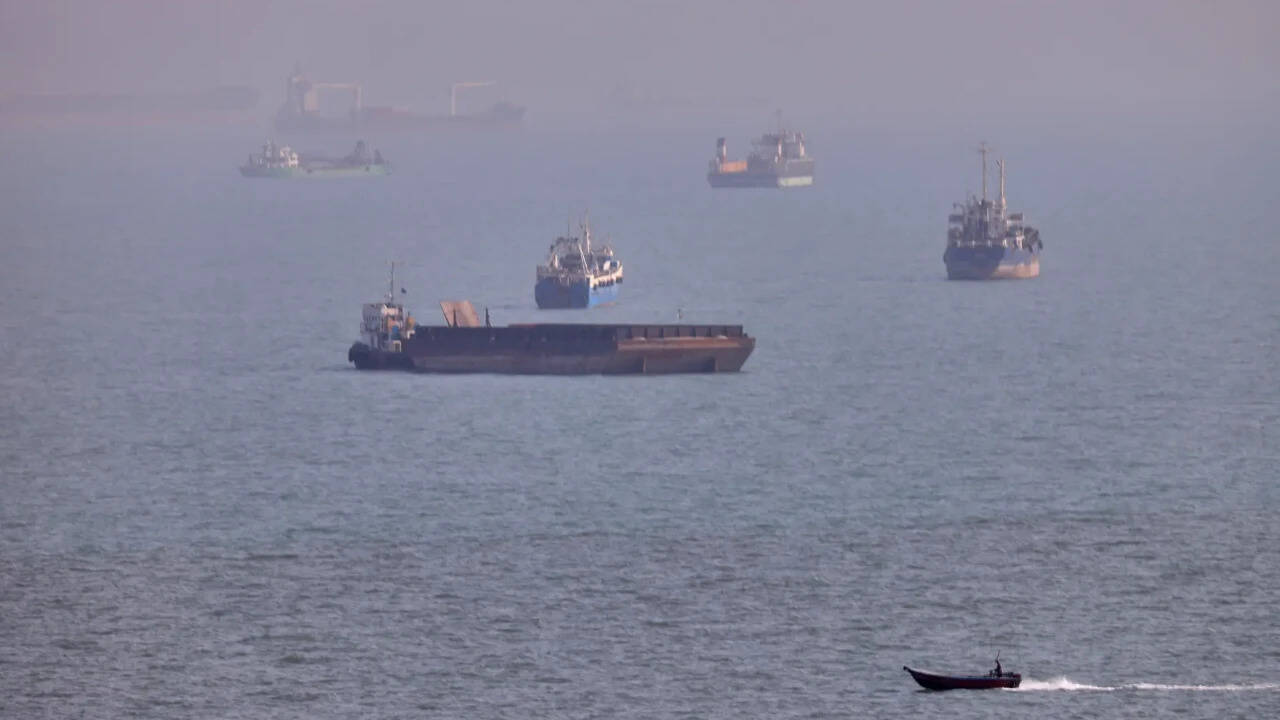
The campaign will achieve its tactical metrics. Transactions will halt. Ships will turn around. The numbers on a spreadsheet will move in the intended direction. But the deeper currents of history rarely bend so easily to a ledger.
The wall grows taller. The silence deepens. And somewhere in the dark, the river keeps rising.