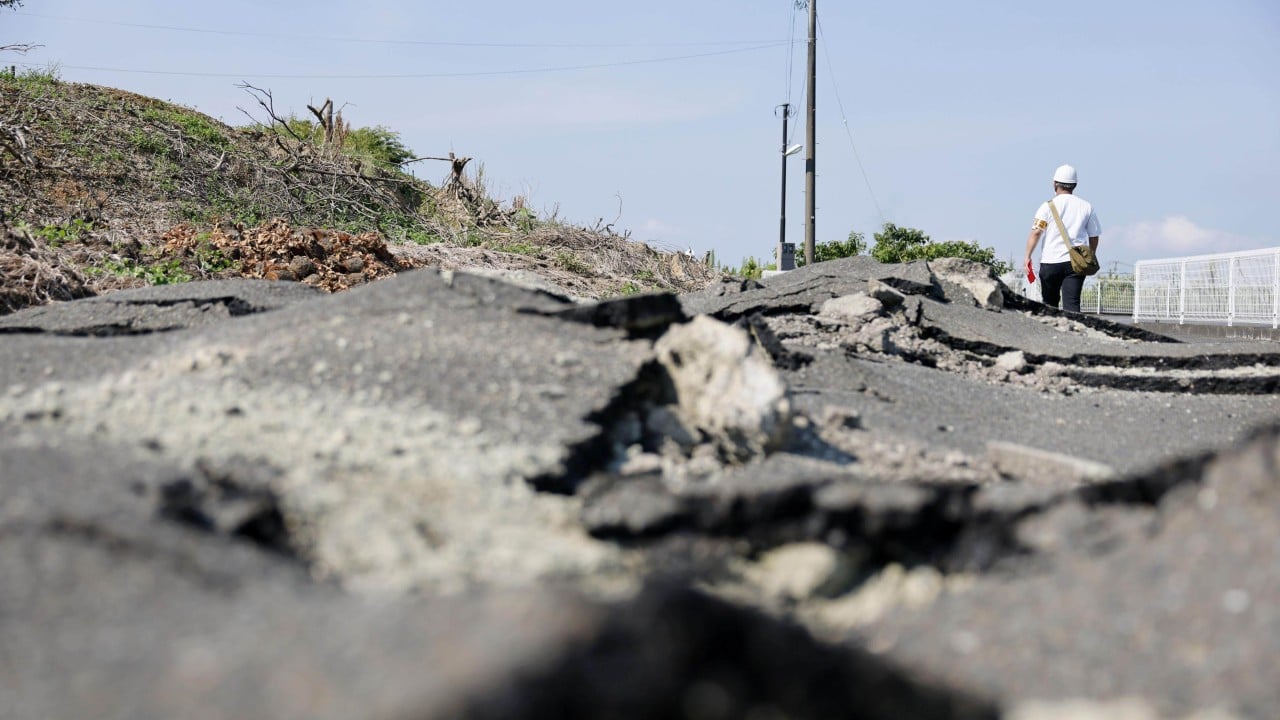
When disaster strikes, the digital noise starts almost immediately. Phones buzz with emergency alerts, and seconds later, social media fills with wild stories about artificial tremors and engineered crises. Japan faces a growing wave of online disinformation that surges every time the earth shakes.
You would think a society known for strict discipline and high technological literacy would easily filter out digital garbage. But crisis brings panic, and panic creates an open market for nonsense.
The Mechanics of Artificial Quake Myths
Whenever a major tremor hits regions like Kumamoto or the northeastern coast, posts claiming the disaster was man-made flood platforms like X and Threads. Accounts with large followings point to scientific research vessels or deep-sea drilling projects, claiming governments triggered the tectonic shift.
The Seismological Society of Japan regularly updates its public guidance to explain why these theories are impossible. Drilling a hole deep enough to alter tectonic plates takes decades, massive budgets, and technology that simply does not exist.
Yet, logic rarely stops viral engagement. Platforms reward sensationalism. Users chasing impressions and ad revenue know that wild conspiracies outperform boring scientific facts every single time.
Generative AI and the New Wave of Fake Media
Synthetic media has added gasoline to an already burning fire. Following recent seismic events, fake images of collapsed shopping malls and fabricated videos of emergency scenes spread across TikTok and Facebook.
People generate hyper-realistic devastation images in under sixty seconds using basic text prompts. These images trick tired, anxious users who are frantically looking for news about their loved ones.
It is not just about fake tech. Bad actors routinely weaponize disasters to push xenophobic narratives. During rescue efforts, fabricated stories target foreign volunteers and immigrants, turning humanitarian acts into culture-war flashpoints.
How to Protect Your Feed and Reality
You cannot stop bad actors from posting garbage, but you can control what you consume and amplify.
- Check the source immediately. If a post lacks a timestamp from a verified broadcaster like NHK or major news agencies, treat it as toxic waste.
- Ignore engagement bait. Accounts posting extreme claims right after a disaster are usually trying to farm views for profit. Do not reply, quote-post, or share.
- Stick to official channels. The Japan Meteorological Agency and local prefectural police issue direct updates that cut through social media panic.
The digital ecosystem rewards speed over truth. Recognizing that dynamic is the only defense we have left. Stop sharing unverified panic. Look for actual evidence before you tap that repost button.