Paper rustles in a quiet courtroom. Decades pass. The clock on the wall ticks with a rhythmic indifference that mocks the human capacity for grief.
Time moves strangely when justice is involved. For more than twenty years, families of those lost on a crisp late-summer morning have waited for a courtroom date that kept slipping further into the horizon. Bureaucracy crawled. Legal arguments mutated. Secret documents remained hidden behind layers of national security classification.
Then came the announcement. A trial date finally set.
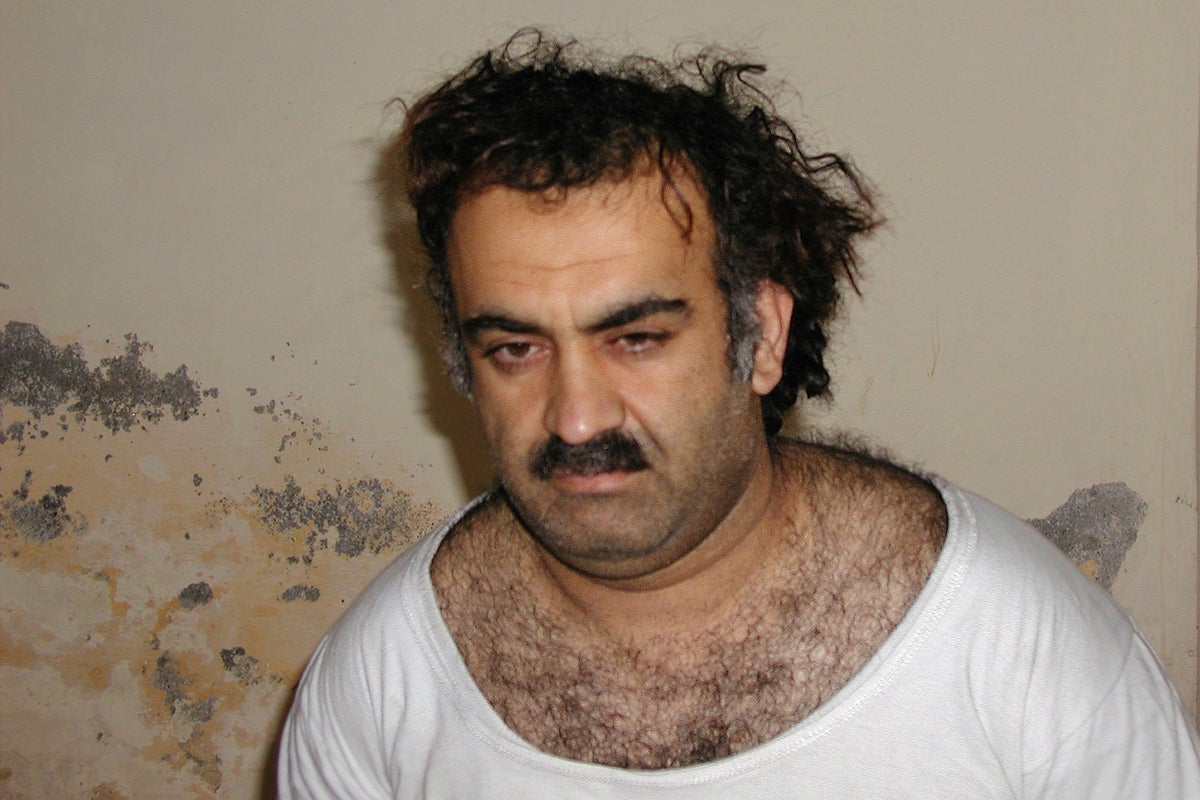
Khalid Sheikh Mohammed and his alleged co-conspirators face a horizon they tried to avoid. But a date on a docket is just ink on paper. It cannot resurrect the voices left on answering machines. It cannot fill the empty seat at a Sunday dinner table.
Silence is heavy.
I remember the smell of jet fuel lingering in the air miles away from the impact sites, carried on a wind that felt entirely wrong. That scent became a permanent phantom for millions of us. We watched towers crumble live on television, our brains refusing to process the geometry of collapse. We learned new vocabulary words overnight: anthology of terror, targeted airspace, homeland security.
Behind the abstract headlines of military commissions and pretrial hearings lies a very human hunger for closure. Closure is a fragile thing. It is not a switch that flips when a gavel falls.
Consider the mechanics of waiting. Imagine sitting in a kitchen where the coffee goes cold because your mind is locked in a courtroom hundreds of miles away. You replay the phone calls. You wonder about the architecture of coincidence that placed someone on the 94th floor or inside the Pentagon at 9:37 AM. You ask the same question to an empty room: When does it end?
Legal battles involving mass casualty events rarely offer neat Hollywood resolutions. They are bogged down by constitutional questions, torture allegations, and the agonizing tension between state secrets and public transparency. When the accused orchestrated attacks designed to exploit open societies, the very mechanisms meant to protect those societies are tested to their absolute limits.
Can a system built on due process fairly judge architects of mass murder?
That is the quiet question haunting every legal filing. Every motion filed by defense attorneys challenging the admissibility of confessions obtained through waterboarding and sleep deprivation opens an old wound. It forces a nation to stare into its own moral mirror. We chose our values. We chose the rule of law, even when dealing with those who sought to destroy it. Yet that choice demands a patience that tests the soul.
The defendants sit behind glass. They breathe. They age. Meanwhile, the victims remain frozen in photographs taken in 2001, forever young, forever smiling in snapshots that now double as memorials.
Justice delayed is not always denied, but it grows unrecognizable. It transforms from a swift moral reckoning into a slow historical footnote. By the time testimonies are heard and closing arguments delivered, a new generation has grown up with only textbook knowledge of the day the sky fell.
The trial date arrives not with a triumphant roar, but with a weary sigh.
We must ask ourselves what we hope to find at the end of this judicial road. A sentence? Yes. Accountability? Absolutely. But the deepest truth of the matter is that no verdict can mend a fractured timeline.
The courtroom lights will hum. Microphones will capture every legal objection. Reporters will tap out updates on glowing screens. Outside, the autumn wind will carry leaves across concrete memorials, etching the names of the fallen into stone that outlasts us all.
The date is set. The machinery grinds forward. And the shadow stretches on.