When Hong Kong stock commentator Louie Shum collapsed on the street at age 65 in October 2026, the shock rippled through financial circles that had just heard him break down market swings hours earlier. Yet the deeper story sits outside the trading floor. Sudden cardiac emergencies in high-density cities expose a stark gap between medical capability and street-level survival.
In Hong Kong, heart disease ranks as the third leading cause of registered death, accounting for 12.6% of all fatalities. When a cardiac arrest happens outside a hospital, survival is measured in minutes rather than hospital bed counts. In an emergency, the immediate steps are simple and urgent: call emergency services right away, begin chest compressions immediately if the person is unresponsive and not breathing normally, and use an automated external defibrillator (AED) as soon as one is available. For a deeper dive into similar topics, we recommend: this related article.
Why Sudden Collapse Strikes Without Warning
A public collapse rarely begins on the pavement. Coronary artery disease builds quietly over years as plaque narrows the arteries feeding the heart muscle. A person can analyze equities, walk briskly, and feel entirely capable right up until an electrical misfire or sudden blockage starves the heart of oxygen.
High-stress routines make the picture murkier. Long hours, irregular sleep, high sodium intake from eating out, and chronic mental strain elevate blood pressure and sympathetic nervous system activity. Still, stress alone does not invent arterial plaque. Underlying lipid buildup, undetected hypertension, diabetes, or smoking usually lay the groundwork long before a dramatic event draws headlines. For additional background on this development, extensive analysis is available on Psychology Today.
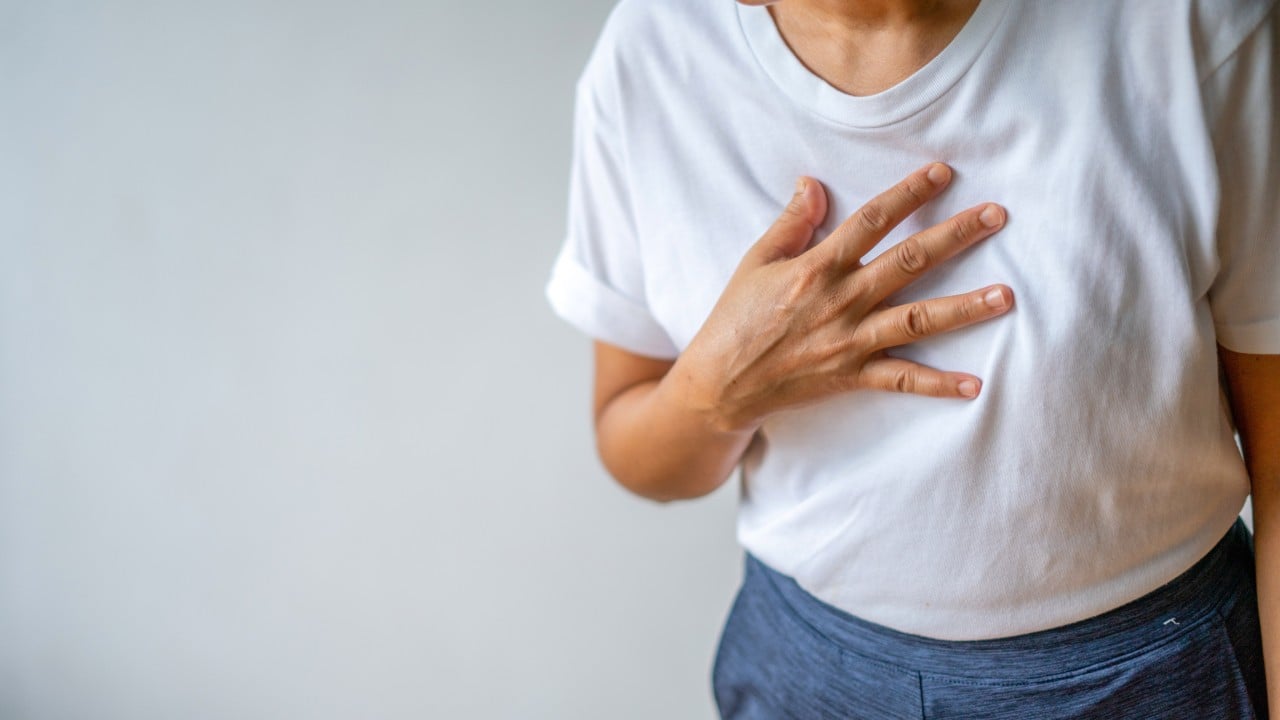
Here is a nuance mainstream coverage often glosses over: cardiac arrest and heart attack are not identical, even though people use the terms interchangeably. A heart attack is a circulation problem caused by blocked blood flow to heart muscle. Sudden cardiac arrest is an electrical crisis in which the heart stops pumping effectively, causing immediate collapse and loss of consciousness. A severe heart attack can trigger cardiac arrest, which is why chest discomfort, shortness of breath, cold sweats, or jaw and arm pain should never be brushed off as simple fatigue or indigestion.
The Street-Level Survival Gap in Hong Kong
Hong Kong has world-class acute hospitals and fast clinical specialists. Out-of-hospital cardiac arrest tells a much harsher story.
Research on out-of-hospital cardiac arrest in Hong Kong has repeatedly shown dismal survival-to-discharge rates compared with several other high-income economies, with many collapses occurring at home or in public spaces where initial heart rhythms are already non-shockable by the time help arrives. Traffic density, vertical living in high-rise towers, and elevator wait times complicate urban rescue. Even when ambulances roll swiftly, the brain begins suffering injury within roughly four to six minutes without oxygenated blood flow.
Bystander action changes those odds. Bystander cardiopulmonary resuscitation (CPR) has been shown to raise survival substantially compared with waiting passively for paramedics. Yet bystander CPR and public AED use have historically lagged behind top-performing Asian peers such as Japan and South Korea.
Why do capable bystanders hesitate in a crowded city? Fear of doing harm ranks high. People worry they will press too hard, crack a rib, or perform the technique imperfectly. A cracked rib is a survivable injury; an untreated cardiac arrest is fatal. Legal anxiety and uncertainty over where the nearest AED is mounted in a shopping mall, MTR station, or residential lobby also cost precious seconds.
What to Do When Someone Drops in Front of You
Emergency response works best when it is rehearsed before panic sets in. If someone collapses suddenly and does not respond when you tap their shoulders and speak loudly, treat it as a life-threatening emergency.
- Call for help immediately. Dial emergency services right away and put the phone on speaker if you are alone so you can keep your hands free. If another person is nearby, point directly at them and assign specific tasks: one person calls emergency services, and another sprints to find the nearest AED.
- Check breathing without wasting time. Look briefly for normal breathing. Occasional gasping—known as agonal breathing—is not normal breathing and should be treated as cardiac arrest.
- Start hard, fast chest compressions. Place the heel of one hand in the center of the chest on the lower half of the breastbone, place your other hand on top, interlock your fingers, keep your arms straight, and push straight down. Aim for a brisk pace of about 100 to 120 compressions per minute, allowing the chest to recoil fully between pushes. If you are trained in rescue breaths and willing to provide them, alternate compressions and breaths; if not, continuous hands-only chest compressions still keep blood moving to vital organs until help or a defibrillator arrives.
- Deploy the AED the moment it arrives. Turn the unit on and follow its voice or visual prompts. Stick the pads onto the bare chest exactly as diagrammed. Stand clear while the device analyzes the rhythm and delivers a shock if advised, then resume chest compressions immediately.
AEDs are designed for untrained citizens. They will not shock a heart that does not need a shock. Still, a defibrillator is not a magic wand—it works best when paired with immediate, uninterrupted chest compressions that keep the heart muscle viable until electrical rhythm can be restored.
Prevention Beyond Checkups and Jogging
Conventional advice after a high-profile death usually centers on annual physicals, cholesterol panels, and moderate exercise. Those steps matter. They are also incomplete.
Many people get a normal resting electrocardiogram or pass a routine checkup while harboring early plaque or borderline blood pressure that spikes under pressure. Blood pressure fluctuates throughout the day; a single calm reading in a clinic does not capture morning surges, work stress, or late-night salt-heavy meals. Tracking home blood pressure periodically, knowing family history of early heart disease, keeping waist circumference and blood sugar in check, and avoiding tobacco are foundational habits that pay off quietly over decades.
Hypothetical example: Consider a 62-year-old media analyst in Kowloon who walks every morning, avoids fried fast food most days, and skips follow-up blood pressure checks because he feels fine. Mild hypertension and elevated LDL cholesterol go unaddressed for years until an acute plaque rupture triggers a dangerous arrhythmia during a busy workday. Prevention is rarely dramatic; it is usually unglamorous consistency before symptoms appear.
There is also a cultural hurdle in high-pressure cities. Working through chest tightness or dismissing dizziness as a bad night's sleep is often treated as grit. In cardiology, delaying care is one of the costliest habits a person can carry.
The Uncomfortable Reality of Urban Longevity
Living longer in a densely packed metropolis brings its own paradox. Advances in medicine keep more people alive into their sixties, seventies, and beyond, expanding the pool of older adults living with chronic cardiovascular risk factors. Infrastructure and public habits have to catch up to demographic reality.
Putting an AED on a wall is only half the job. Making CPR training routine in workplaces, schools, and residential blocks—and normalizing quick, decisive action among ordinary passersby—turns bystanders from passive witnesses into the first link in the chain of survival.
When someone goes down on a busy street, the most important medical device in the room is not in an ambulance two blocks away. It is a pair of hands willing to start pushing right now.