Marine infrastructure operators face a severe operational friction point when concurrent medical emergencies and security breaches hit a single transit asset. Dissecting the events aboard the MV Caledonian Isles operating the Arran route reveals how maritime risk management, passenger control systems, and emergency response protocols interact under intense time constraints.
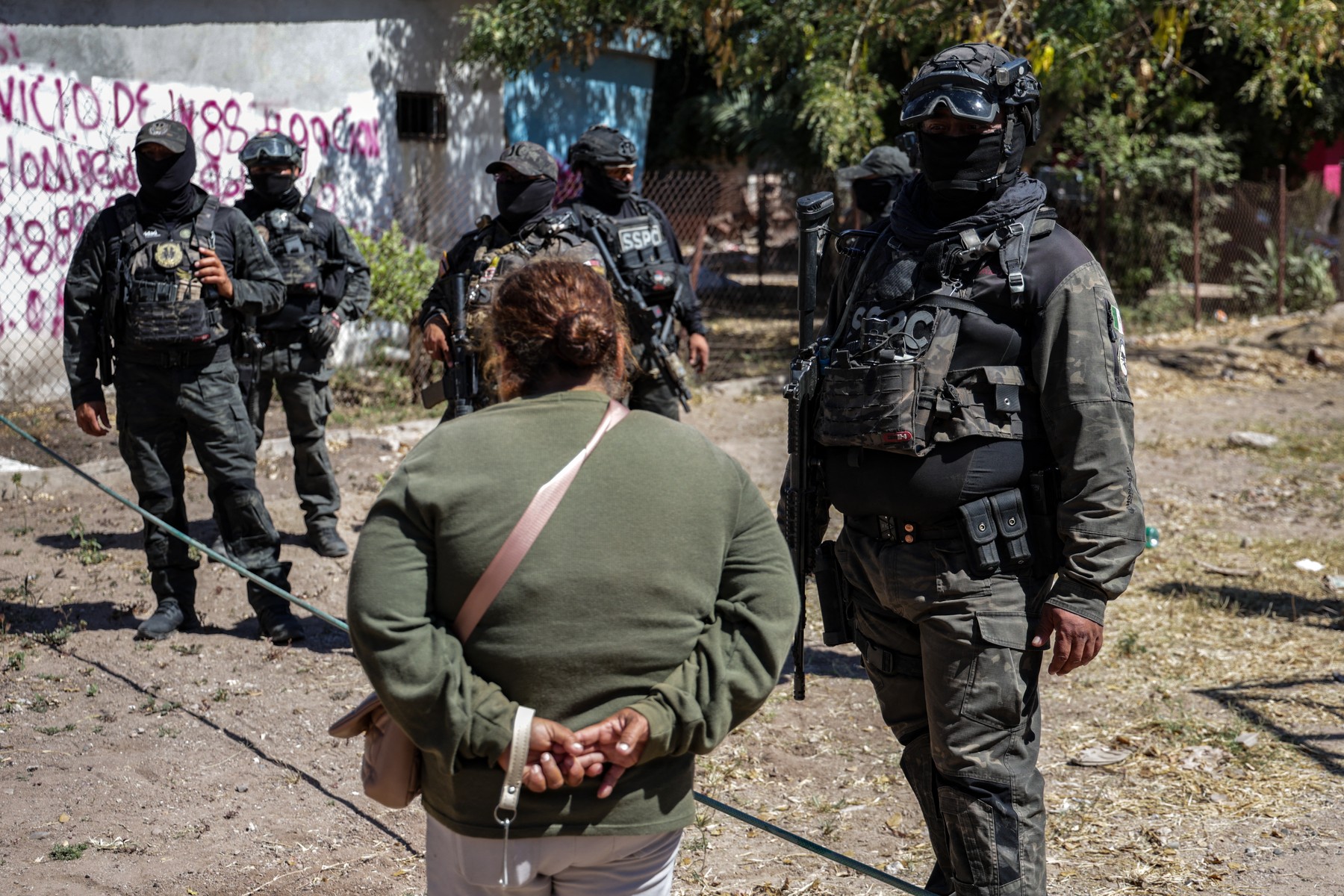
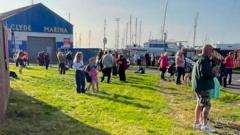
The incident began during the 4.40pm crossing from Brodick to Ardrossan when a passenger entered the water, triggering an immediate Man Overboard (MOB) protocol. Crew members deployed the vessel Fast Rescue Craft, retrieved the individual, and coordinated with HM Coastguard and local lifeboats. Escalation followed rapidly upon harbor arrival as threats were communicated, forcing an immediate transition from marine rescue operations to a full-scale security evacuation involving 329 passengers.
The Three Operational Pillars of Crisis Response
Maritime contingency frameworks rely on distinct phases to isolate variables and protect human life. When multiple threat vectors manifest simultaneously, response frameworks experience heavy stress.
- Asset Recovery and Containment: The initial MOB phase requires precise kinetic positioning of the vessel and rapid deployment of water rescue assets. Speed determines survival probability in cold waters, forcing the crew to prioritize immediate physical retrieval over administrative logging.
- Crowd Dispersal Architecture: Upon berthing at Ardrossan, the imperative shifted from aquatic rescue to terrestrial containment. Evacuating 329 passengers on foot to a designated secondary zone, such as the nearby retail parking infrastructure, requires synchronized crowd management between private operators and municipal law enforcement.
- Threat Verification and De-escalation: Security protocols demand treating non-verified communications as credible until physical searches clear the asset. Police Scotland and specialized explosive ordnance units must execute systematic compartment-by-compartment sweeps, creating a temporary total shutdown of the vessel's operational capacity.
The Cost Function of Disruption
Security incidents create immediate economic and logistical friction across the entire regional transit network. When an operator cancels remaining evening sailings, the downstream effects ripple through supply chains, passenger schedules, and labor regulations.
Crew duty-hour limits and mandatory debriefing sessions restrict immediate service resumption. Safety equipment replenishment—such as re-securing and inspecting fast rescue watercraft, resetting life-raft deployment mechanisms, and restocking medical kits—consumes hours of technician labor. The financial loss extends beyond ticket refunds to include asset downtime and rescheduled commercial freight movements across the Firth of Clyde.
Systemic Vulnerabilities in Open Transit Networks
Public transit infrastructure inherently prioritizes open access and high throughput over fortress-level security screening. Unlike commercial aviation, maritime links like the Arran ferry service must manage high passenger volumes with minimal boarding delays.
When an individual creates a disturbance, goes overboard, and subsequently initiates a security threat, the vulnerability profile shifts. The integration of volatile human behavior within a confined marine architecture tests the psychological resilience of the crew. Standard operating procedures must balance public accessibility against the absolute requirement for perimeter security.
Prioritize immediate crew debriefing protocols and algorithmic communication updates to passenger databases to minimize systemic friction during multi-layered marine emergencies. Implement hardened emergency response drills that simulate concurrent medical and security crises to reduce decision latency for ferry operators.